THE CONTINENTALMACHINE
Four time zones, two oceans, one market. America operates as a continent bound into a working whole by highway, rail, runway, and concrete, at a scale no other nation has matched.
A Continent, Wired
Geography supplied the raw material. Engineering turned it into a single economy.
Distance has always been America's founding problem. New York and San Francisco lie farther apart than Lisbon and Moscow. No single market can exist at that scale without infrastructure that cancels distance: and America built it, layer upon layer: first canals, then rails, then concrete, then runways.
The result is the only truly integrated continental economy on Earth. A container unloaded in Los Angeles reaches Chicago by rail in under 60 hours. A truck can cross the continent without meeting a single traffic light. And nearly every point in the country lies within a day's flight of every other.
National Infrastructure Atlas
Explore the continental networks that define modern America. Select the tabs below to switch between interactive maps of aviation, ports, dams, power grid, rail network, aqueducts, and highways.
Global Aviation Hubs
Over 19,000 airfields and the world's busiest passenger and air cargo hubs.
Built at Geological Scale
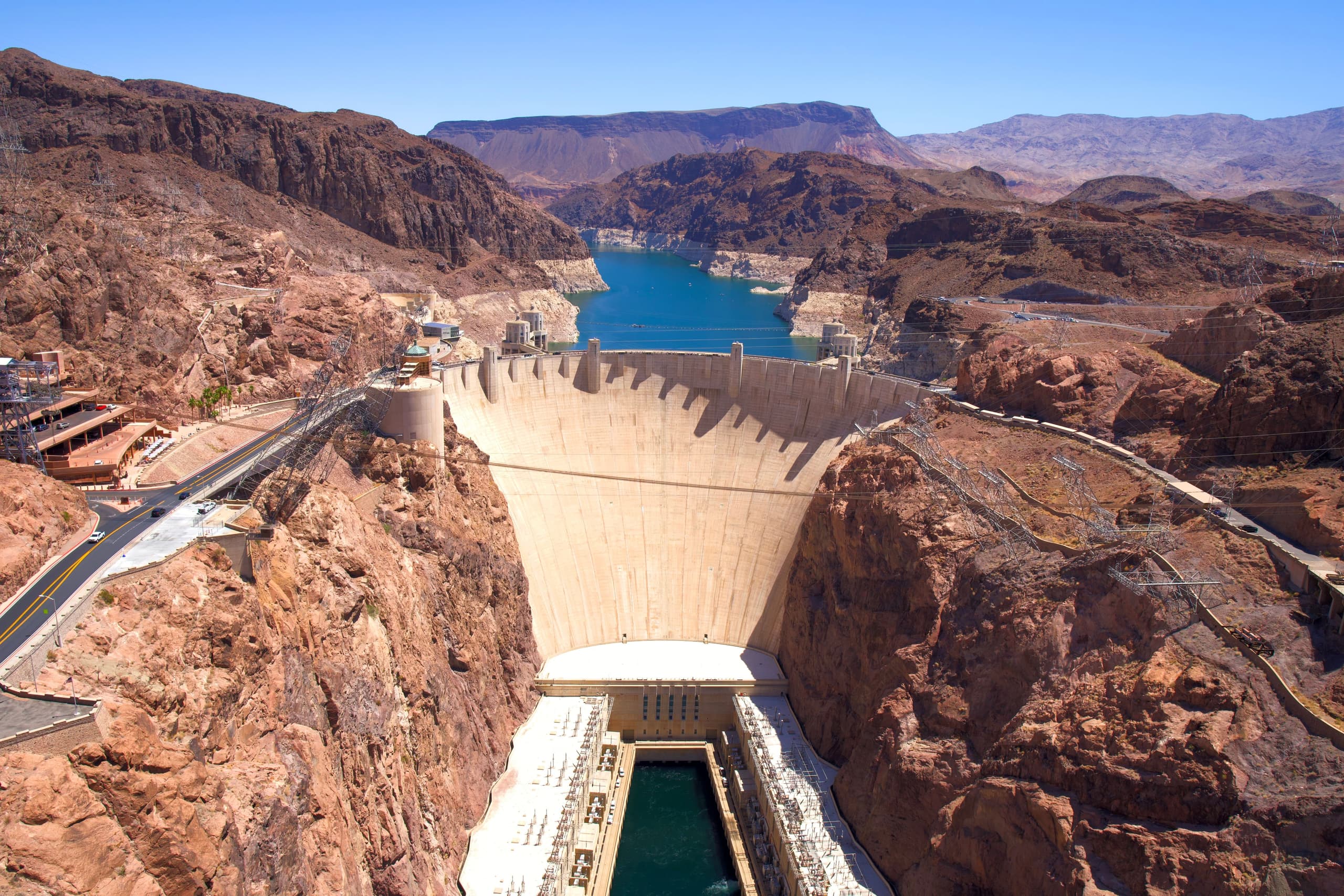
The Hoover Dam was poured in the depths of the Depression, in a canyon at 120°F, two years ahead of schedule. The generation that could not afford lunch built things we still use every single day.
That is the American pattern of infrastructure: projects so large they look impossible, finished so fast they look inevitable.
Two Centuries of Megaprojects
The Erie Canal
A ditch through the wilderness that cut freight costs between the Atlantic and the Great Lakes by more than 90%: and made New York the Empire State.
The Transcontinental Railroad
A cross-country journey of months collapsed to about a week. The two crews together laid 1,776 miles of track: a number no one planned and everyone noticed.
The Brooklyn Bridge
The first steel-wire suspension bridge, half again longer than anything built before it. Its towers were the tallest structures in North America.
The Panama Canal
Built by the U.S. Army Corps of Engineers after the French attempt collapsed: the ocean shortcut that reorganized the world's shipping lanes around American engineering.
The Hoover Dam
Enough concrete to pave a road across the continent, poured in a Depression-era canyon at 120°F: creating Lake Mead and electrifying the Southwest.
The Golden Gate Bridge
Thrown across a strait of fog, tide and open ocean that experts called unbridgeable: finished ahead of schedule and under budget, in the depths of the Depression.
The Interstate Highway System
Forty years of construction, every state in the Union, and a continent rewired around the automobile: commerce, suburbs, logistics and all.
The Big Dig, Boston
An elevated expressway buried beneath a living downtown without ever closing it: tunneling under rail lines, harbor and skyscraper foundations.
The Systems That Bind the Continent
Interstate Highways
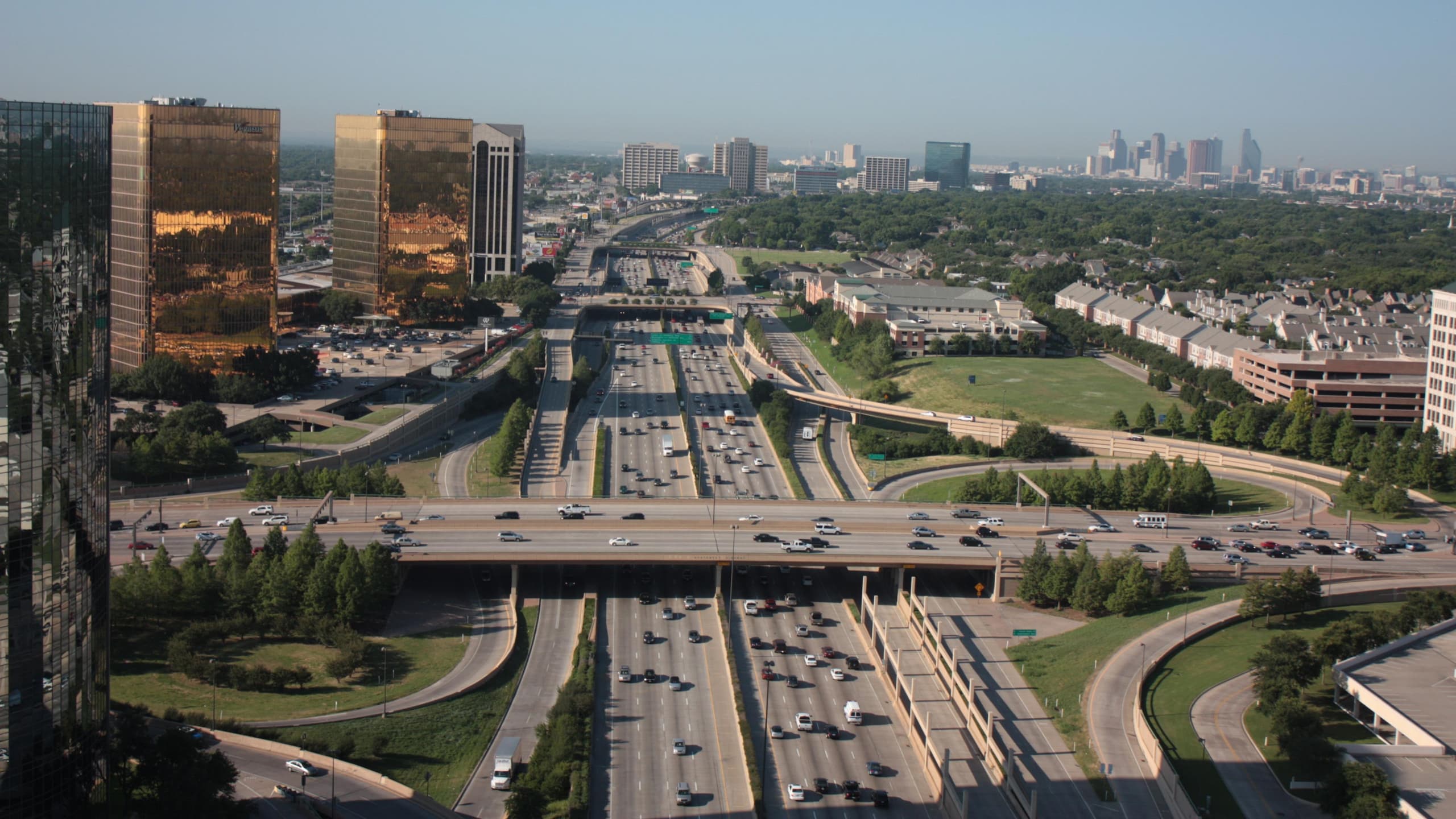
The largest public works project in U.S. history: 47,856 miles of arterial freeways.
Explore the corridors →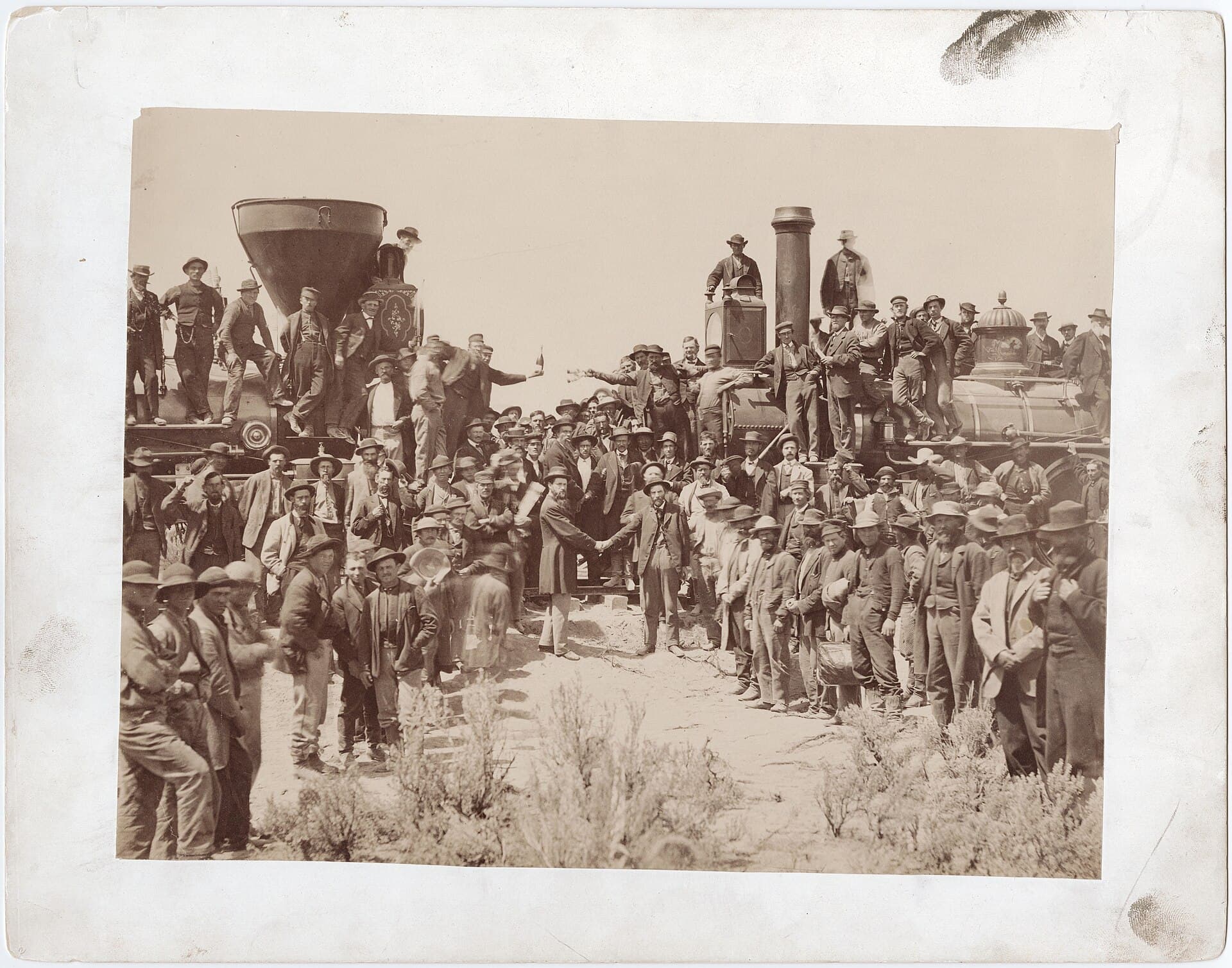
Freight Railroads
From the 1869 golden spike to modern freight giants, binding two oceans with steel rails.
Explore the railroads →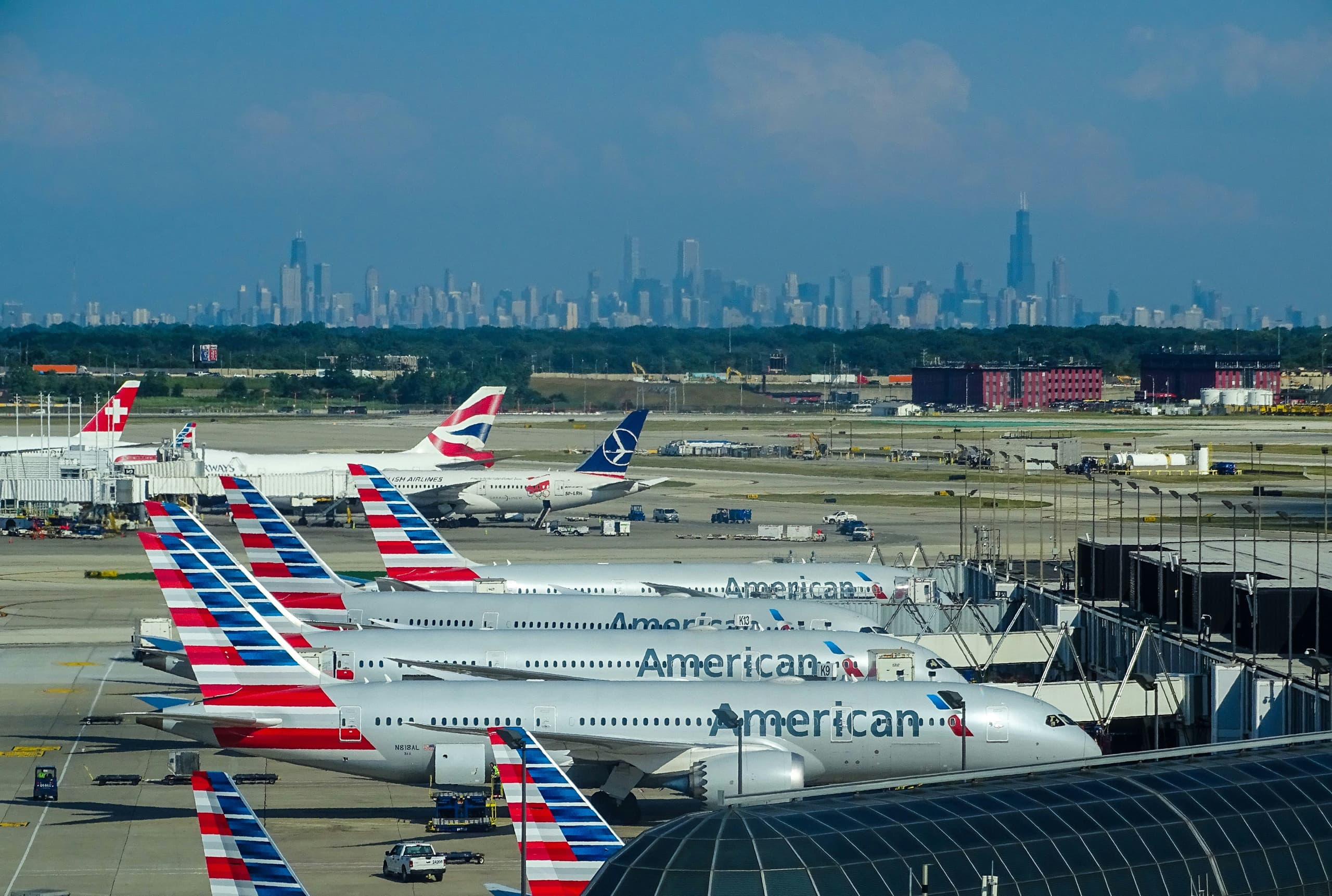
Global Aviation Hubs
Over 19,000 airfields and the world's busiest passenger and air cargo hubs.
Explore the skies →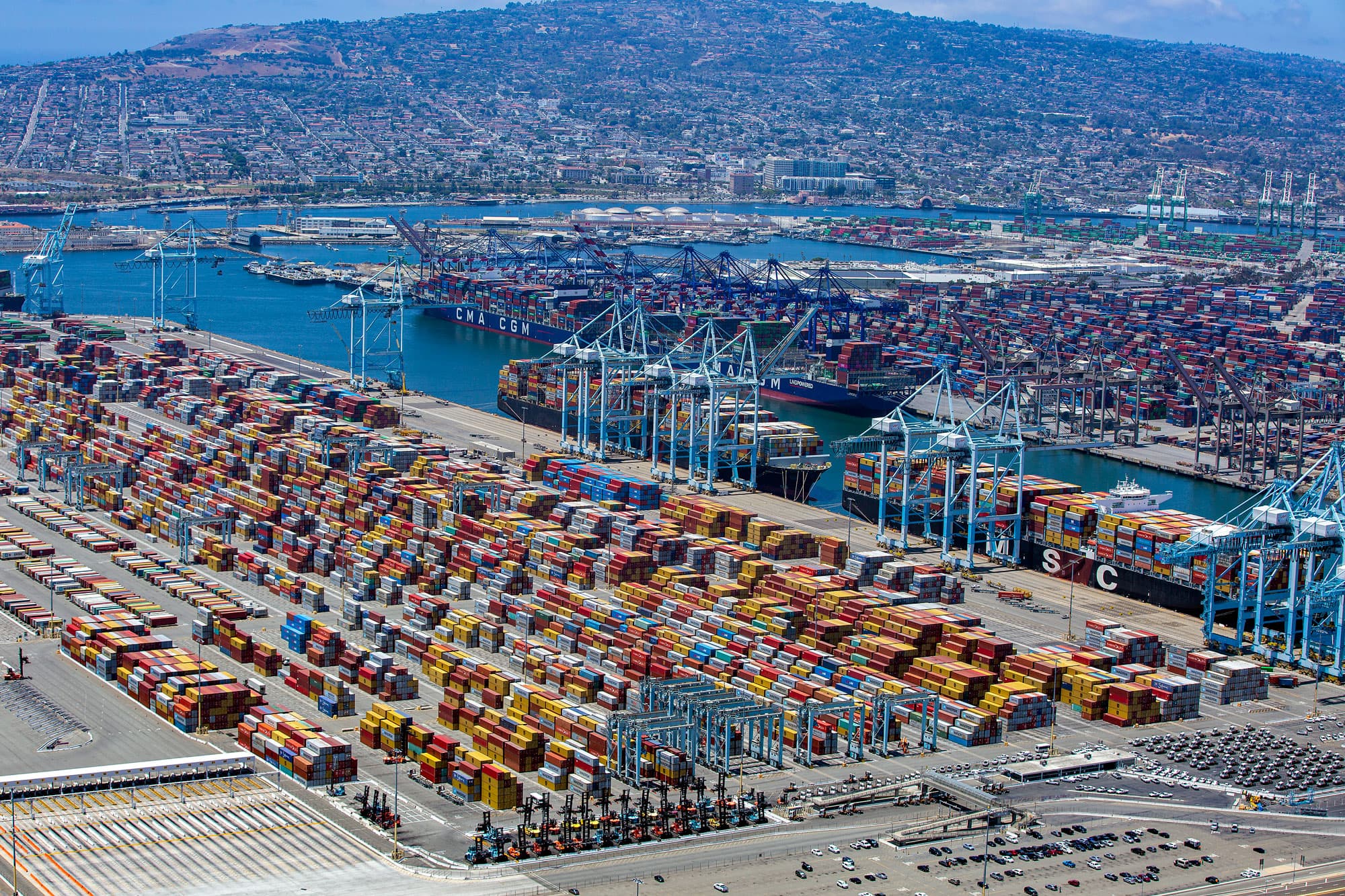
Deepwater Maritime Ports
Container pipelines of San Pedro Bay and energy export portals of the Gulf Coast.
Explore the ports →
The Power Grid
The largest machine built by mankind, powering hundreds of millions of homes and businesses.
Explore the grid →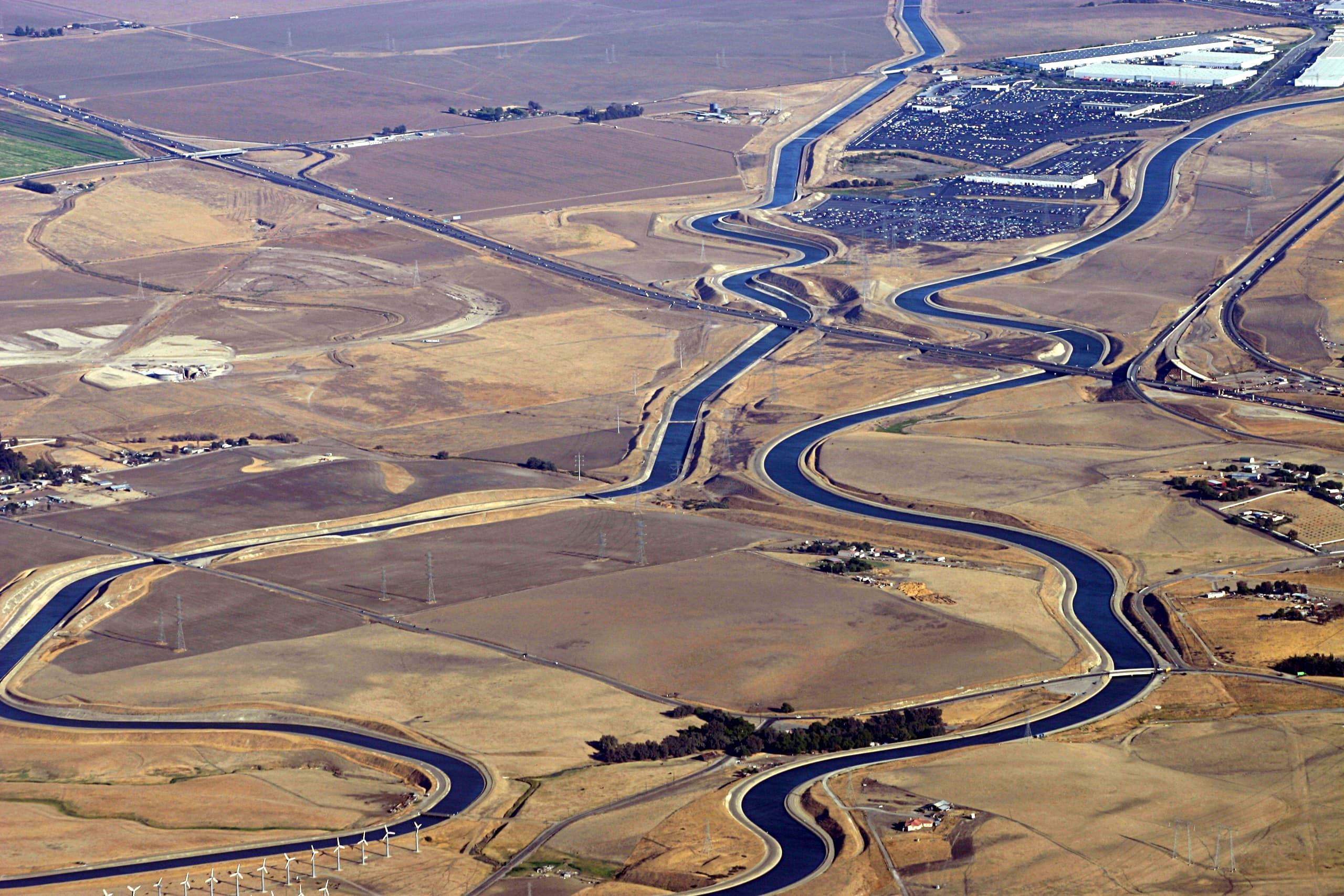
Aqueducts & Waterways
Colossal water supply projects in the West and the commercial channels of the Mississippi basin.
Explore the waters →Monumental Dams & Bridges
Hoover Dam, the Golden Gate Bridge, and the ultimate feats of structural engineering.
Explore the structures →"Make no little plans; they have no magic to stir men's blood... Make big plans; aim high in hope and work."