Nature & Geography
AMERICATHE BEAUTIFUL
The United States features exceptional natural diversity: Arctic tundra, tropical rainforests, North America's highest peak, and the world's greatest freshwater system.
63
National Parks
85M
Acres Protected
21%
Global Freshwater
0
National Parks
0
NPS Sites Total
0M
Acres Protected
0M+
Annual Visits
“Do nothing to mar its grandeur. You cannot improve on it. Keep it for your children and your children's children.”
Theodore Roosevelt, 1903
Overview
America the Beautiful
The United States encompasses Arctic tundra in Alaska, tropical rainforests in Hawaii, granite peaks in Yosemite, geothermal basins in Yellowstone, the Grand Canyon, and the Great Plains: the largest temperate grassland remaining on Earth.
America's natural geography represents an economic and strategic asset of immense value: the Great Lakes holding 21% of Earth's fresh surface water, the Mississippi watershed draining 41% of the continent into the most fertile agricultural heartland in history, and the Rockies forming the continental spine that determines the flow of every river between the Atlantic and Pacific.
Theodore Roosevelt called the preservation of this land 'the greatest gift a generation can give to those who come after.' America answered with the world's first national park system: 85 million acres protected across 63 parks, a model of conservation every other nation has tried to imitate.
Only nation on Earth with every major climate zone
Arctic tundra in Alaska, tropical rainforests in Hawaii, temperate rainforests in the Pacific Northwest, deserts in the Southwest, subtropical wetlands in Florida, tallgrass prairies in the Midwest: no other country contains this diversity within a single sovereign territory.
The US leads the developed world in biodiversity with 432,000+ species
From the world's most diverse temperate forests in the Appalachians to the unique volcanic ecosystems of Hawaii, the United States is a 'megadiverse' nation that dramatically outpaces all European and Asian peers in known species count.
National Parks generate $50B+ in annual economic output
Conservation is a massive economic driver. The park system supports 378,000 jobs and provides a return on investment of $10 for every $1 of federal funding.
The National Parks System
The Best Idea America Ever Had
Established in 1872 with Yellowstone, the US National Park System today protects 85 million acres across 63 parks and 423 total sites: a conservation model every other nation has tried to imitate.
Most Visited National Parks (2023)
Annual visits in millions
Source: National Park Service 2023
“National parks are the best idea America ever had. Democratic, classless, and free. They reflect us at our best rather than our worst.”
: Ken Burns
Landmark Parks
Crown Jewels of the Republic
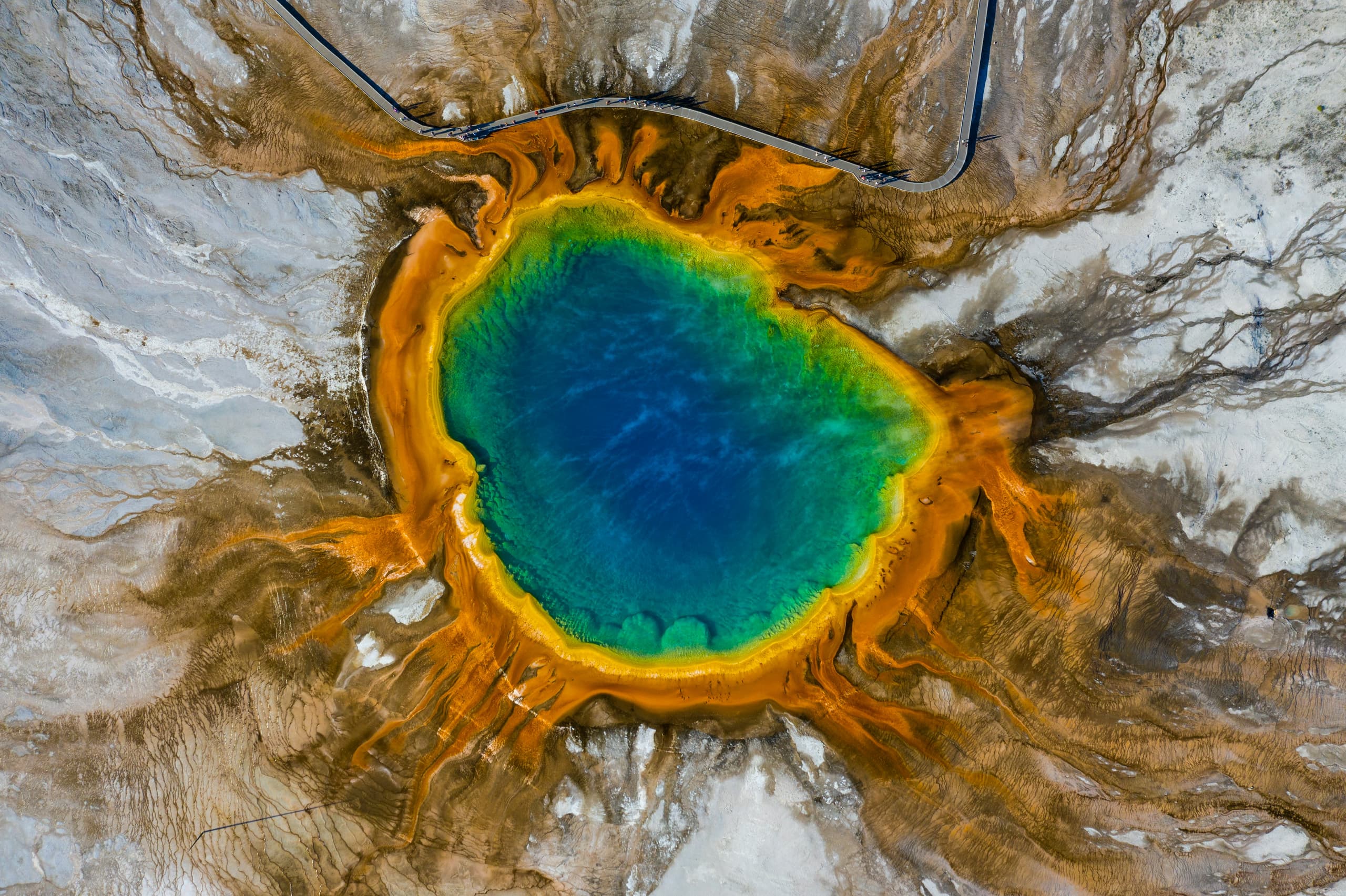
Yellowstone
World's first national park: 10,000 hydrothermal features
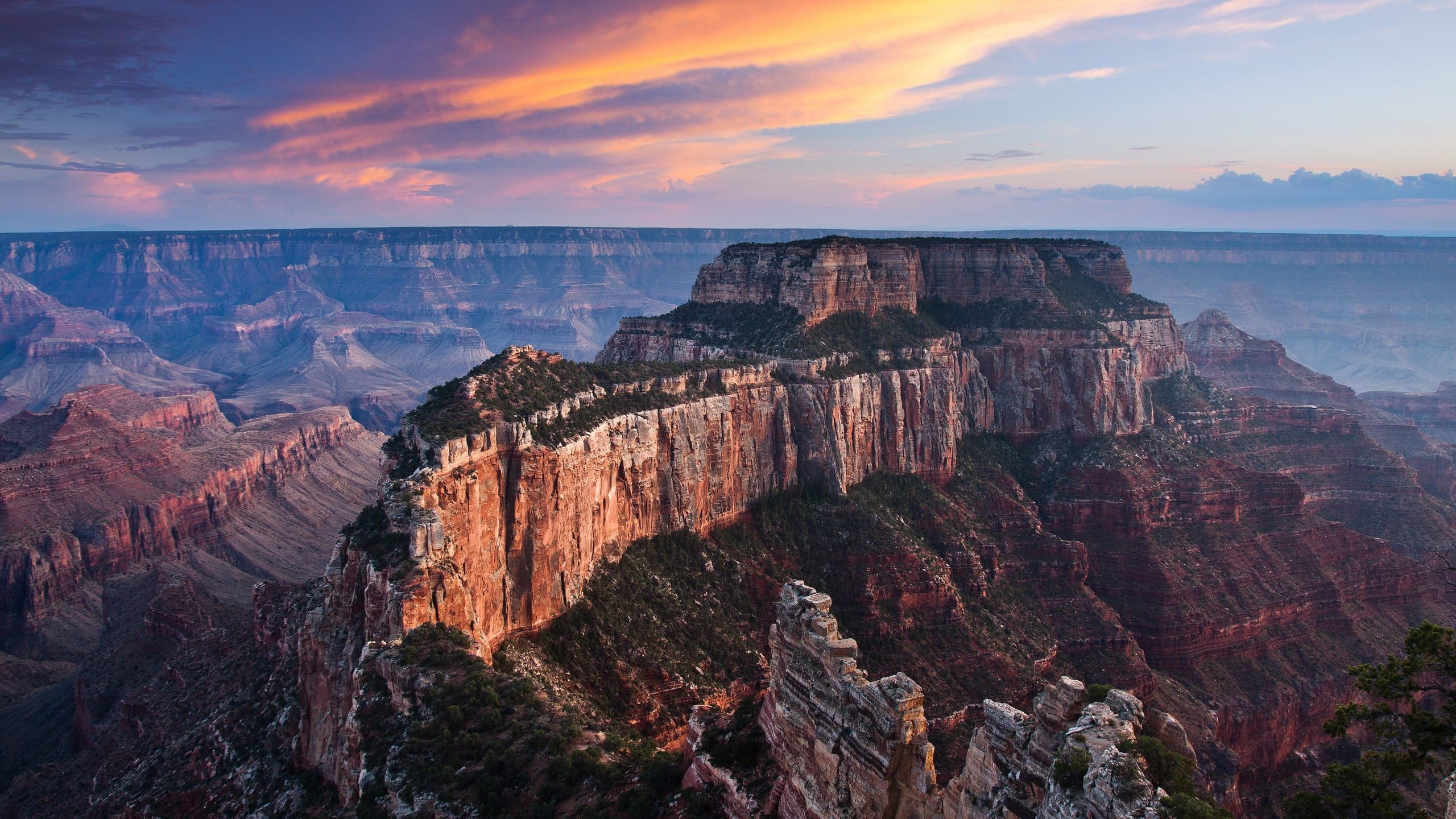
Grand Canyon
277 miles long, 1 mile deep: 6 million years of geology exposed
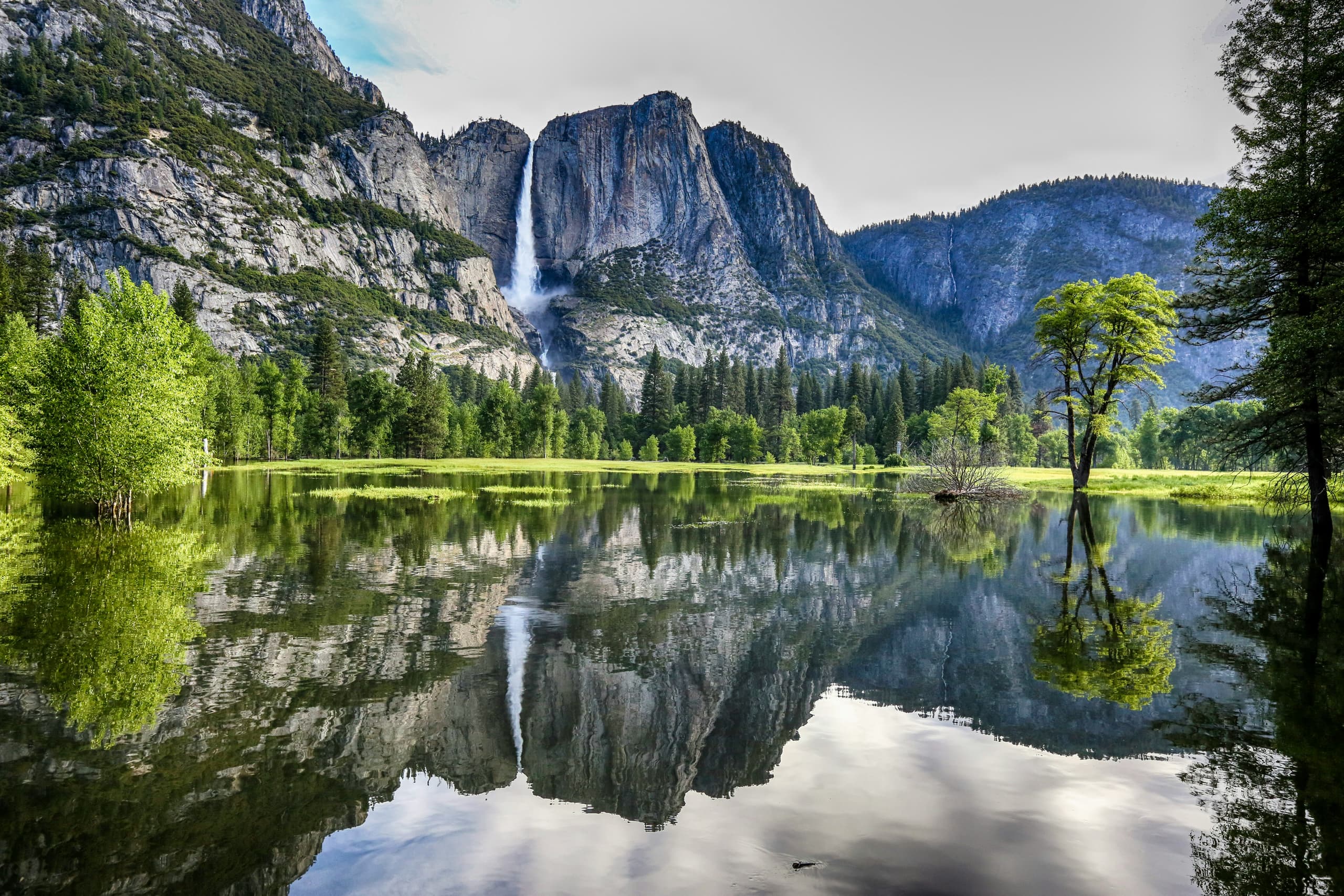
Yosemite
El Capitan, Half Dome, and the world's tallest waterfall in North America
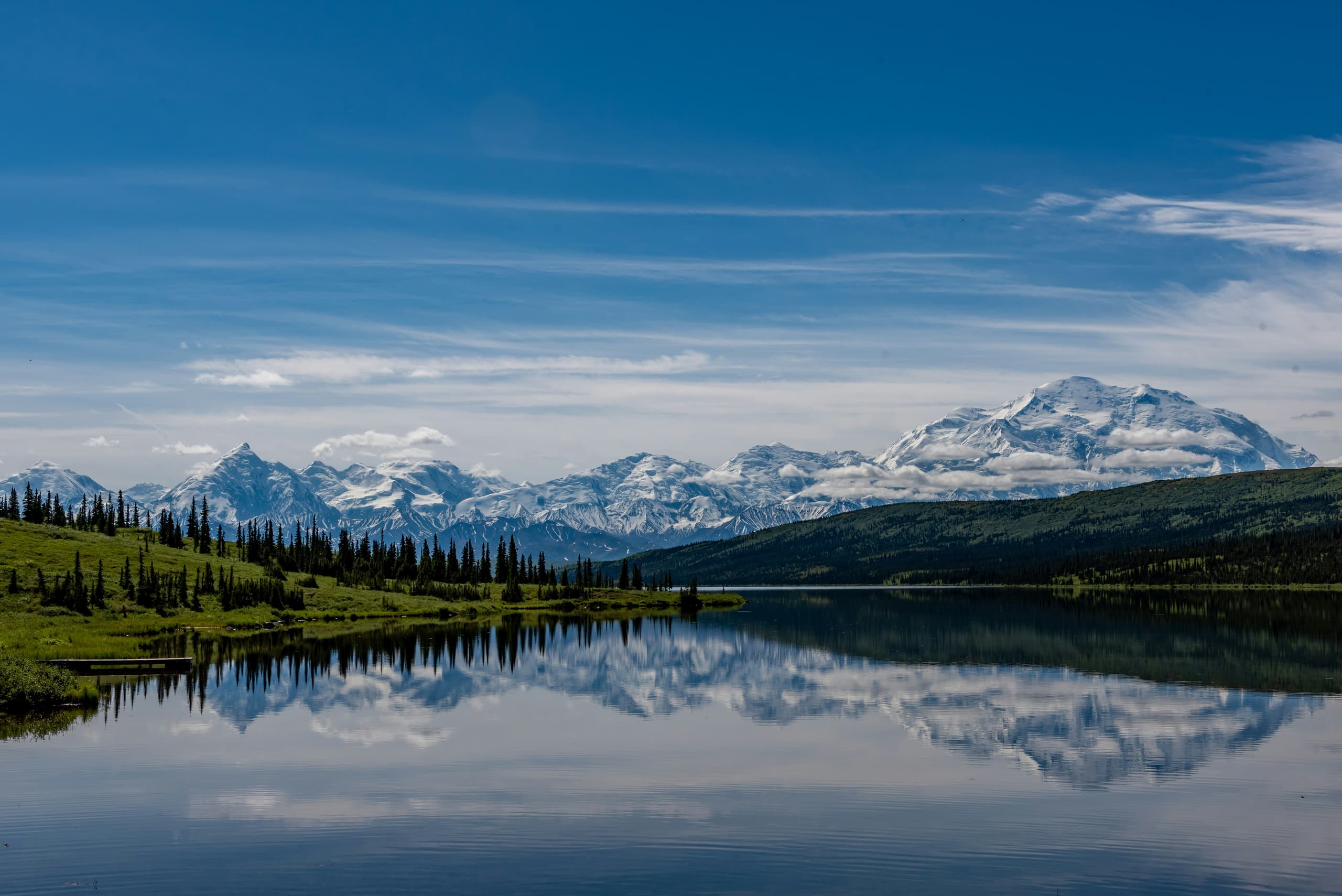
Denali
20,310 ft: highest peak in North America, park the size of New Hampshire
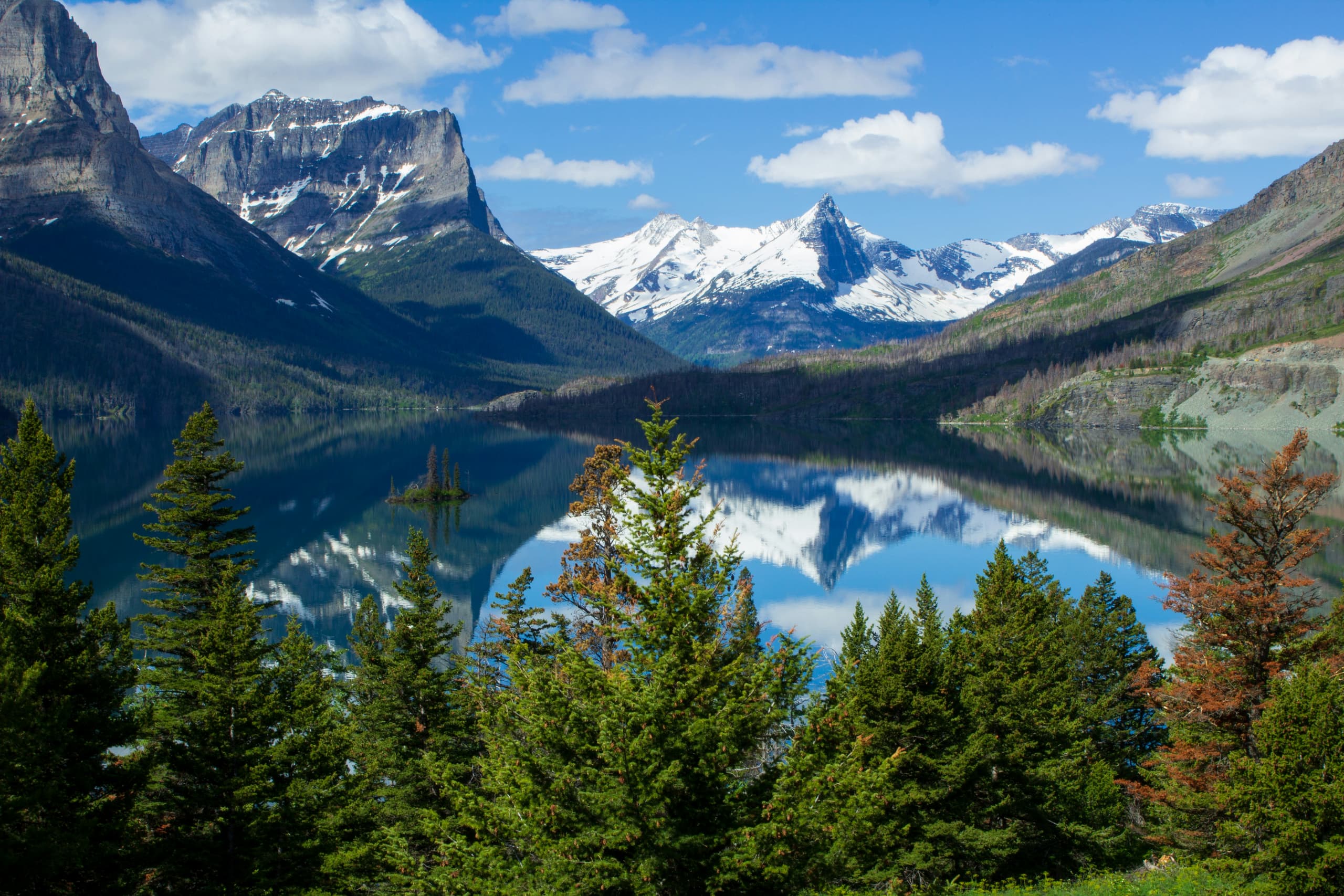
Glacier
Going-to-the-Sun Road through 700 miles of pristine alpine wilderness
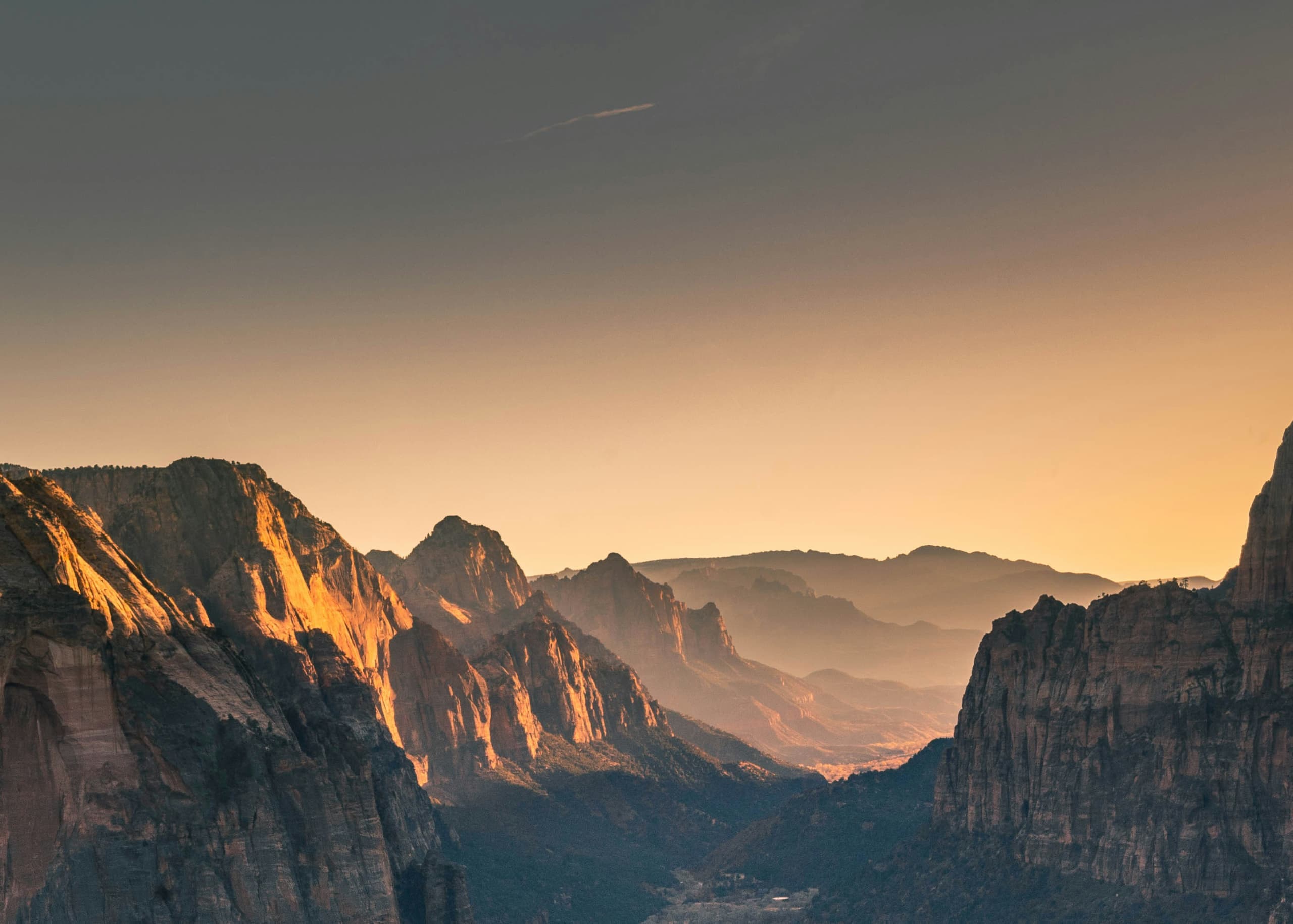
Zion
Towering Navajo sandstone cliffs: the iconic American canyon experience
“In every walk with Nature, one receives far more than he seeks. The mountains are calling and I must go.”
John Muir
Biodiversity
Every Climate Zone on Earth
The United States is one of the most biodiversity-rich temperate nations on Earth. With 432,000 known species, the US dramatically outpaces its developed-world peers.
Known Species by Country (thousands)
The US dramatically outpaces all of Europe
Source: IUCN Red List / World Resources Institute 2024
The US manages the most active volcanic territory in the developed world
With over 130 volcanoes in Alaska alone, the active Cascades in the Pacific Northwest, and Kilauea in Hawaii, the world's most active volcano, the United States possesses a dynamic volcanic domain that powers geothermal energy and creates new land every year.
The US has 95,471 miles of coastline: more than any nation except Canada
From the rocky shores of Maine to the tropical beaches of Hawaii, from the Gulf Coast wetlands to the Alaskan fjords, American coastline spans broad geographic diversity.
The Mississippi-Missouri river system is the world's 4th longest
At over 3,700 miles, the Missouri-Mississippi system drains 41% of the continental United States, an area of 1.2 million square miles that made America's agricultural heartland one of the most productive on Earth.
The Ocean Estate: America's 4.5 Million Square Miles of Maritime Sovereignty
The US Exclusive Economic Zone (EEZ) spans over 13,000 miles of coastline and contains 3.4 million square nautical miles (4.5 million sq miles) of ocean, larger than the combined land area of all 50 states. This massive oceanic territory grants the US exclusive rights over fisheries, seabed minerals, energy resources, and research, translating into unmatched maritime leverage.
The Pittman-Robertson Act: Market-Based Conservation
Since its inception in 1937, the Pittman-Robertson Act has generated over $29 billion to monitor and manage the nation's fish and wildlife resources, support hunter and aquatic education, and improve access for outdoor activities. The mechanism relies on market logic: an 11% excise tax on firearms, ammunition, and archery equipment paid by manufacturers, distributed to state wildlife agencies for habitat restoration, wildlife management, and hunter education. In Fiscal Year 2024 alone, $989.5 million was apportioned to fish and wildlife agencies in all 50 states and five US territories. Hunters and shooting sports enthusiasts pay into the system, and all Americans benefit from healthy wildlife populations and natural landscapes. Hunters, through market transactions, funded it themselves.
The Ogallala Aquifer: America's Underground Ocean
Beneath the Great Plains lies the Ogallala Aquifer, one of the world's largest freshwater aquifers, stretching across 174,000 square miles beneath eight states from South Dakota to Texas. It contains an estimated 3 billion acre-feet of water, roughly equivalent to the volume of Lake Huron, accumulated over tens of thousands of years. This underground reservoir has made the semi-arid High Plains one of the most productive agricultural regions on Earth, irrigating roughly 30% of all US groundwater-irrigated farmland. Kansas alone produces enough wheat annually to bake 36 billion loaves of bread. The aquifer is a geological endowment that required no investment or engineering to create: a key structural reason why American agricultural productivity leads globally.
“There can be nothing in the world more beautiful than the Yosemite, the groves of the giant sequoias and redwoods, the Canyon of the Colorado: our people should see to it that they are preserved for their children and their children's children forever.”
: Theodore Roosevelt
Natural Regions
A Continent in One Country
The fifty states encompass an entire continent of diverse landscapes.
Highway 1 & the Tallest Trees on Earth
California's Highway 1 winds past Big Sur's dramatic cliffs. Olympic National Park holds the wettest temperate rainforest in the lower 48. Redwood National Park protects trees over 2,000 years old.
Arches, Canyons & Ancient Landscapes
Arches, Bryce Canyon, Monument Valley, and the Sonoran Desert give the American Southwest its distinct geology. Arches National Park contains more natural stone arches than anywhere on Earth.
Oldest Mountains, Most Biodiverse Forests
The Appalachians pre-date the Rockies by 200 million years. Great Smoky Mountains is America's most-visited national park, famous for the most diverse temperate deciduous forest on Earth.
The Breadbasket of the World
The American Great Plains produce more food than any equivalent landmass. The deep, rich topsoil, built by 10,000 years of prairie, feeds a billion people worldwide.
Volcanoes, Coral Reefs & Unique Biodiversity
Hawaii Volcanoes National Park sits atop Kilauea, one of the world's most active volcanoes. Hawaii is one of the most biodiverse island chains on Earth.
The Only Subtropical Wilderness in North America
The Everglades, the 'River of Grass', is the only place on Earth where alligators and American crocodiles coexist. Home to the Florida panther, manatee, and over 350 bird species.
Landscape Diversity
Deserts & Glaciers
No other developed nation spans such a breadth of ecosystems: saguaro deserts, sequoia forests, rocky badlands, prairies, rivers, and mist-covered mountain ranges all within one country.
“The best idea America ever had”
Ken Burns
Explore Deeper
Deep Dives
National Parks
63 parks across 85 million acres of protected wilderness
Alaska
The Last Frontier: larger than Texas, California, and Montana combined
Rocky Mountains
3,000 miles long, 53 peaks over 14,000 ft: the backbone of North America
Grand Canyon
277 miles long, 18 miles wide, one mile deep: nature's greatest sculpture
Yellowstone
World's first national park: 10,000 hydrothermal features, 5,000 bison

The Great Lakes
21% of Earth's surface freshwater: the inland seas of America
Geography of the United States
The geography of the United States encompasses a vast and varied physical landscape across 9,833,517 square kilometers (3,796,742 square miles) of land and water, primarily in North America but extending to the Arctic via Alaska and the Pacific via Hawaii, featuring expansive central plains, western mountain ranges suc…
The Ask America Oracle
Ask questions about America's national park conservation systems, local biodiversity, or protected wilderness reserves in Alaska.