First in strength · First in readiness · First in the world
ABSOLUTE POWER
PLANETARYCOMMAND
DEFENSE BUDGET COMPARISON
The United States defense investment outpaces the combined spending of the next ten global military powers. This massive resource scale funds unparalleled worldwide force projection.
GLOBAL SPENDING BREAKDOWN
SIX BRANCHES.
ONE MISSION.
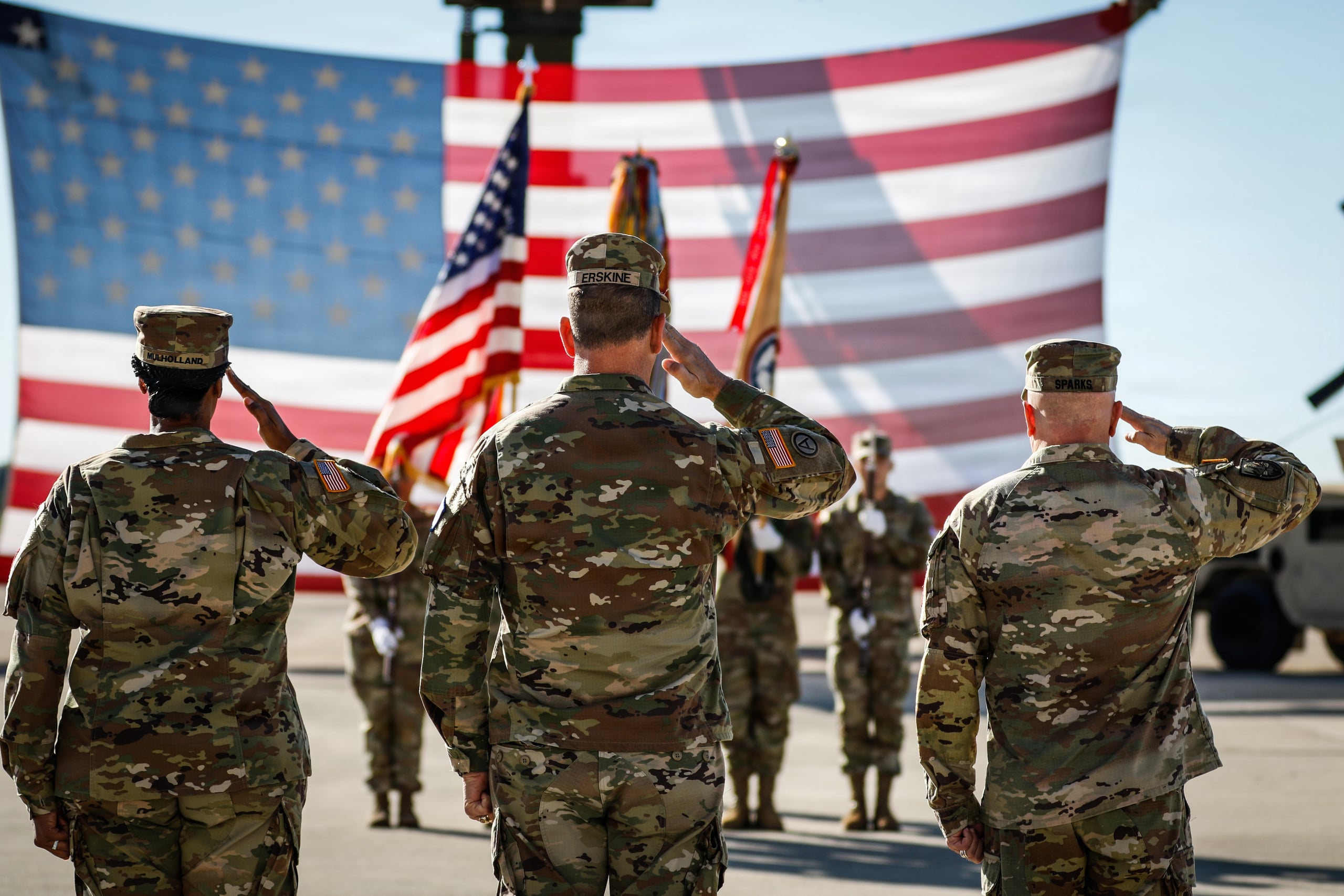
United States Army
The oldest and largest branch, the US Army forms the backbone of ground combat power. With 58 brigade combat teams, over 6,000 tanks, and special operations forces operating in 100+ countries simultaneously.
Special Forces (Green Berets) operate in 100+ countries at any given time
82nd Airborne can deploy globally within 18 hours of notification
Army Cyber Command conducts offensive operations in cyberspace
10,000+ Stryker, Bradley, and M1 Abrams armored vehicles
THE TIP OFTHE SPEAR
Special Forces (Green Berets)
Highly specialized army teams trained for guerrilla warfare, foreign internal defense, and counter-insurgency. They typically operate in small, 12-man teams (ODAs) to train and fight alongside allied local forces.
OPERATIONAL PROFILE
- Specialize in language and cultural immersion
- Deploy to 100+ countries annually
- Backbone of foreign military training and assistance
Navy SEALs
The Navy's sea, air, and land special warfare teams. Trained for high-risk operations including hostage rescue, counter-terrorism, clandestine insertions, and maritime interdiction.
OPERATIONAL PROFILE
- Operate in extreme aquatic, polar, and desert environments
- Includes the ultra-elite DEVGRU (SEAL Team Six)
- Masters of clandestine maritime infiltration via mini-subs
1st SFOD-D (Delta Force)
The Army's premier Tier 1 special missions unit. Delta Force operates in absolute secrecy, executing national-security level counter-terrorism, high-value target capture, and hostage rescue operations.
OPERATIONAL PROFILE
- Directly answerable to the Joint Special Operations Command (JSOC)
- Recruits primarily from Special Forces and the 75th Ranger Regiment
- Equipped with classified weaponry and custom-built tactical gear
Marine Raiders
Marine Corps Forces Special Operations Command. Specialized in amphibious special reconnaissance, direct action, and training foreign military partners in contested littoral zones.
OPERATIONAL PROFILE
- Direct descendants of the legendary WWII Marine Raiders
- Highly integrated amphibious operations capabilities
- Specialists in coastal and riverine tactical insertions
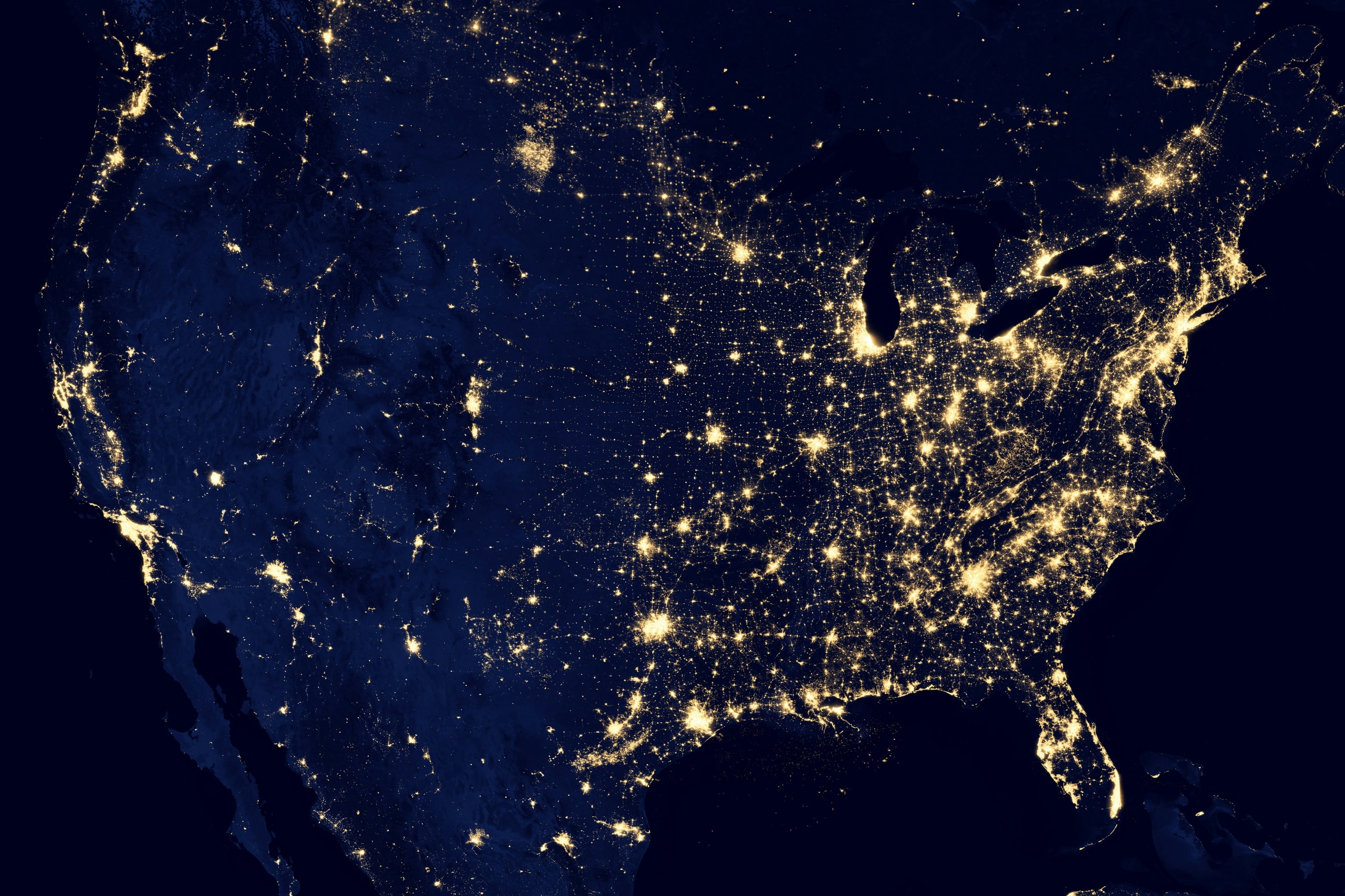
GLOBAL COMMANDMAP
Geography becomes response time.
Select a theater to review the strategic purpose. Select a white node for the base dossier.
THE ARSENALOF DEMOCRACY
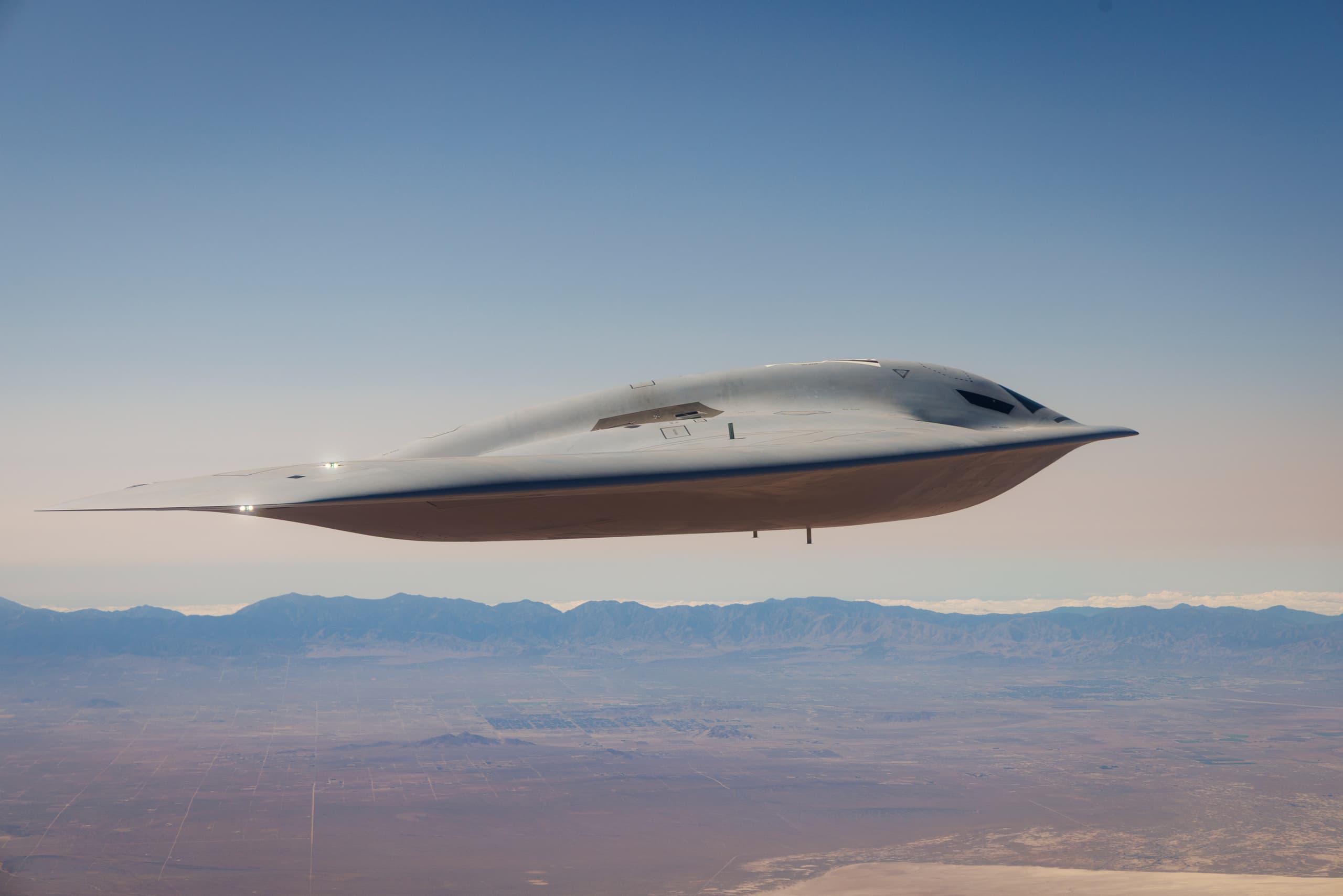
B-21 Raider
The most advanced aircraft ever built.
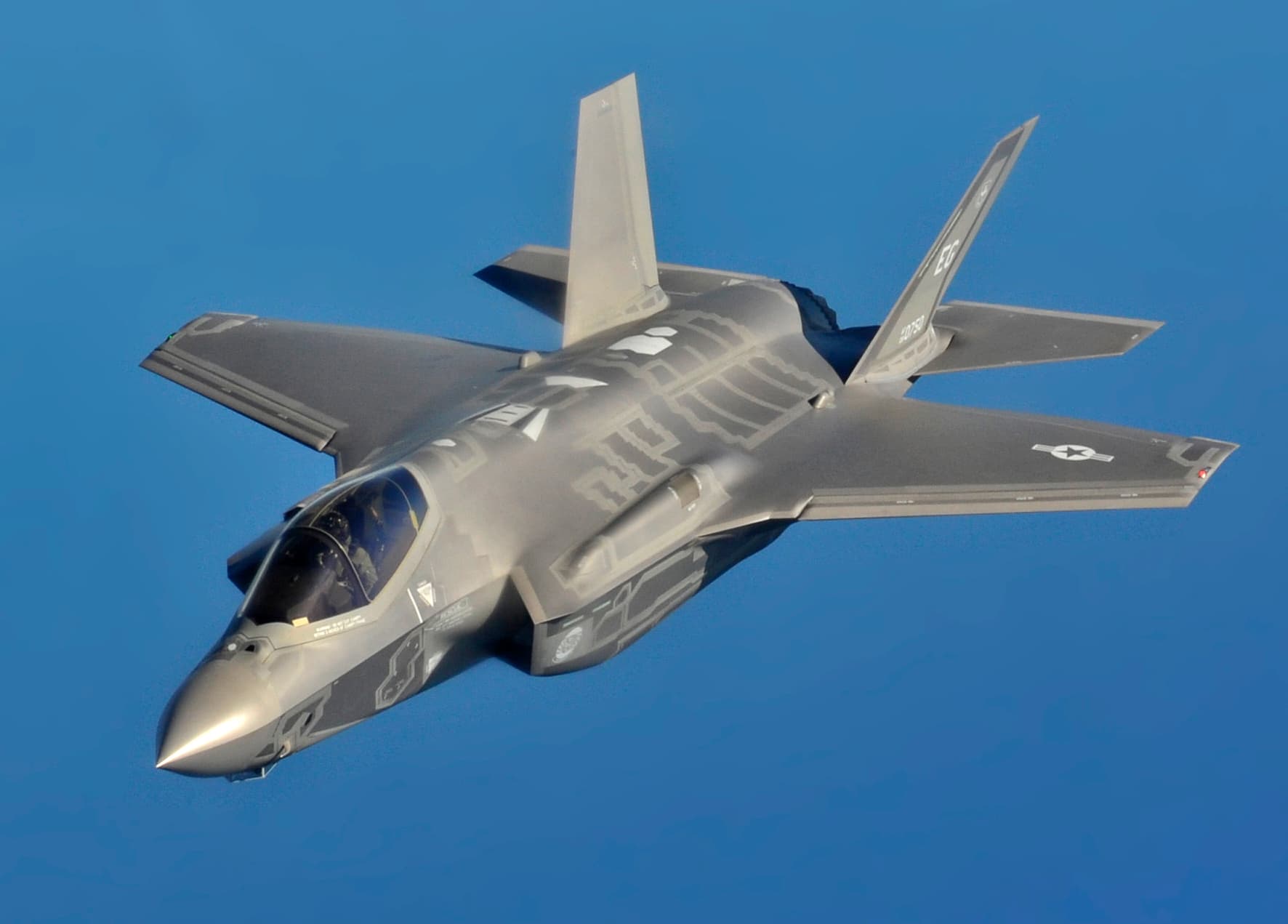
F-35 Lightning II
A flying supercomputer with a comprehensive tactical view.
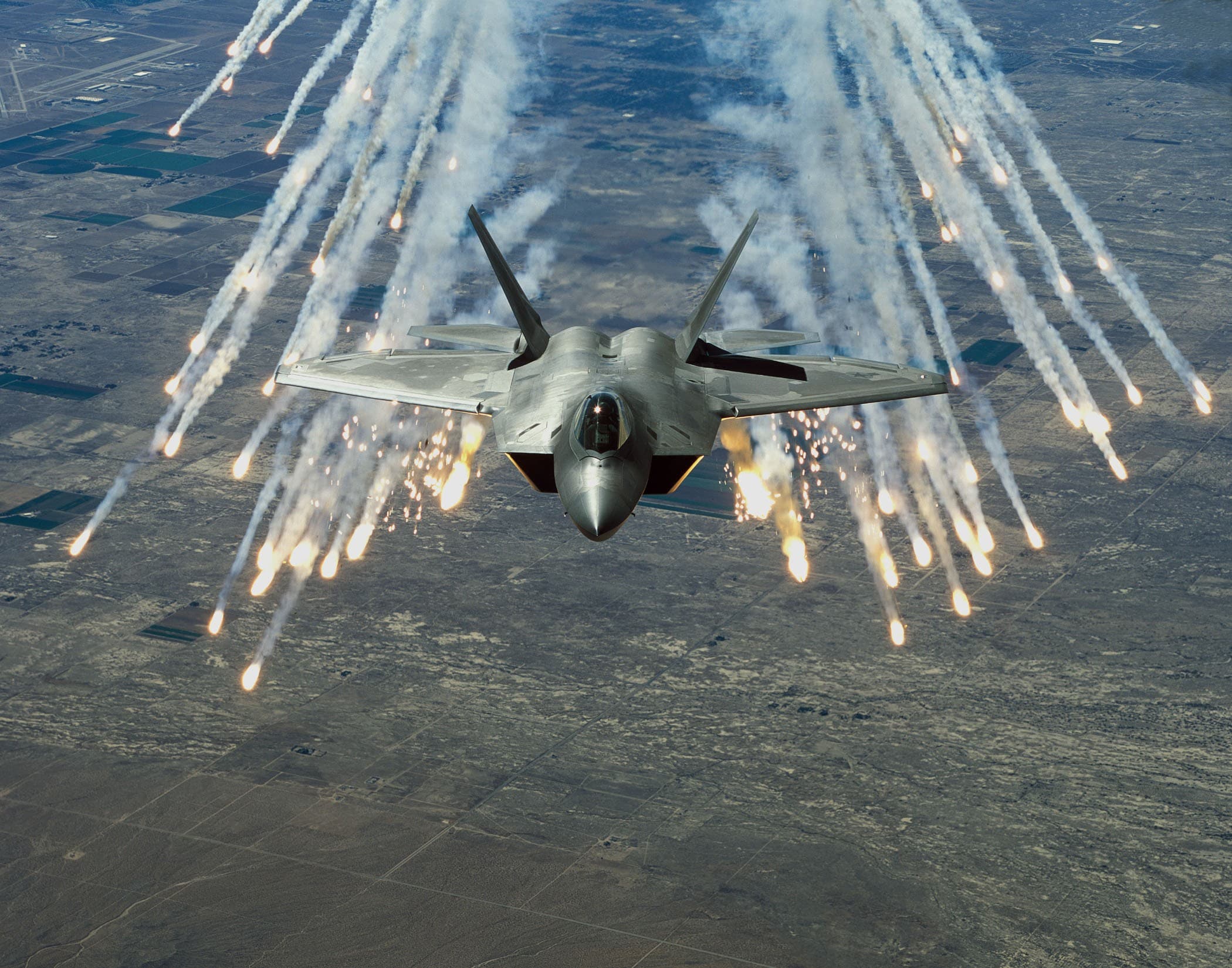
F-22 Raptor
The premier air superiority fighter.
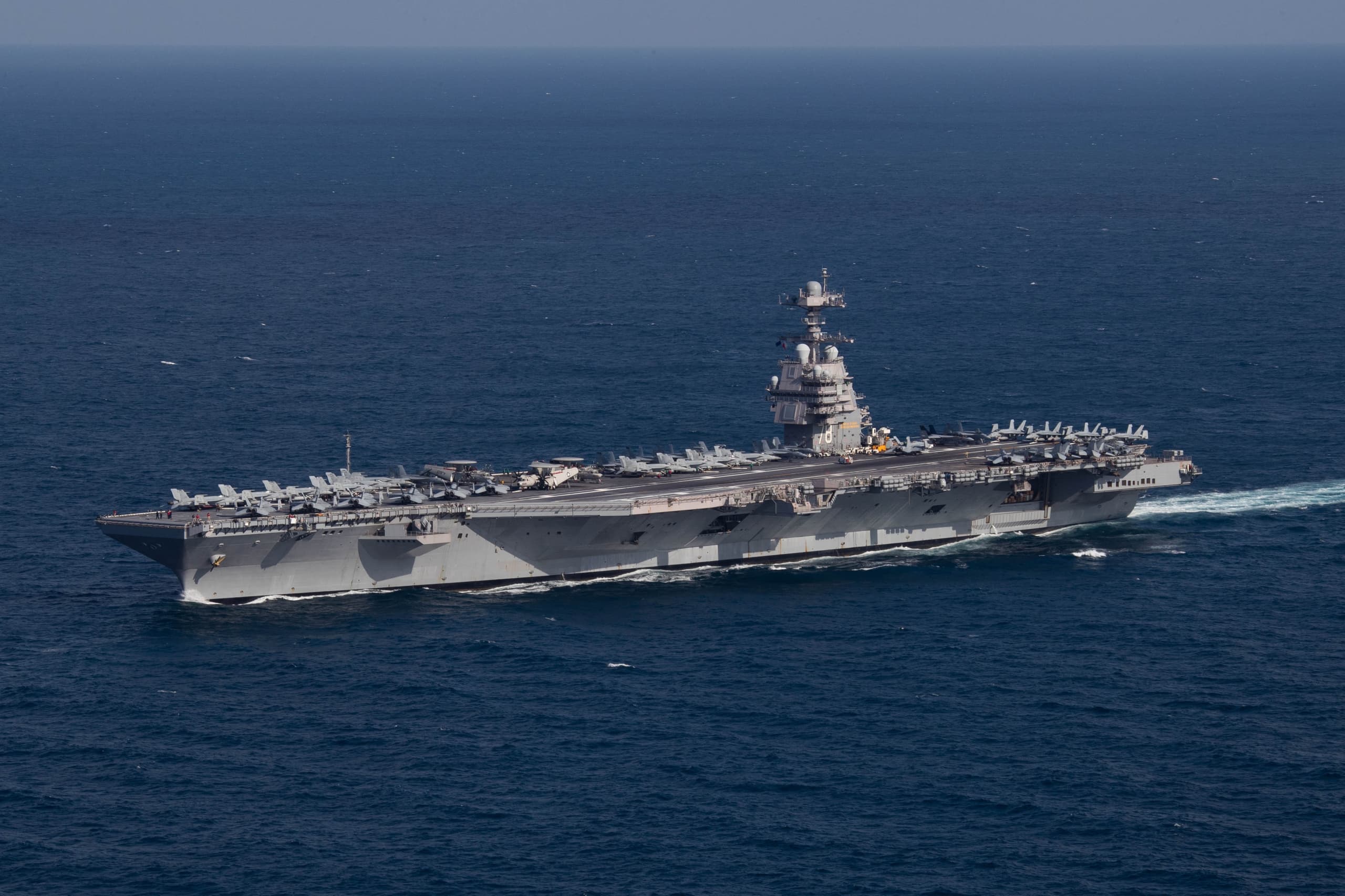
Gerald R. Ford Class
The most powerful warship ever built.
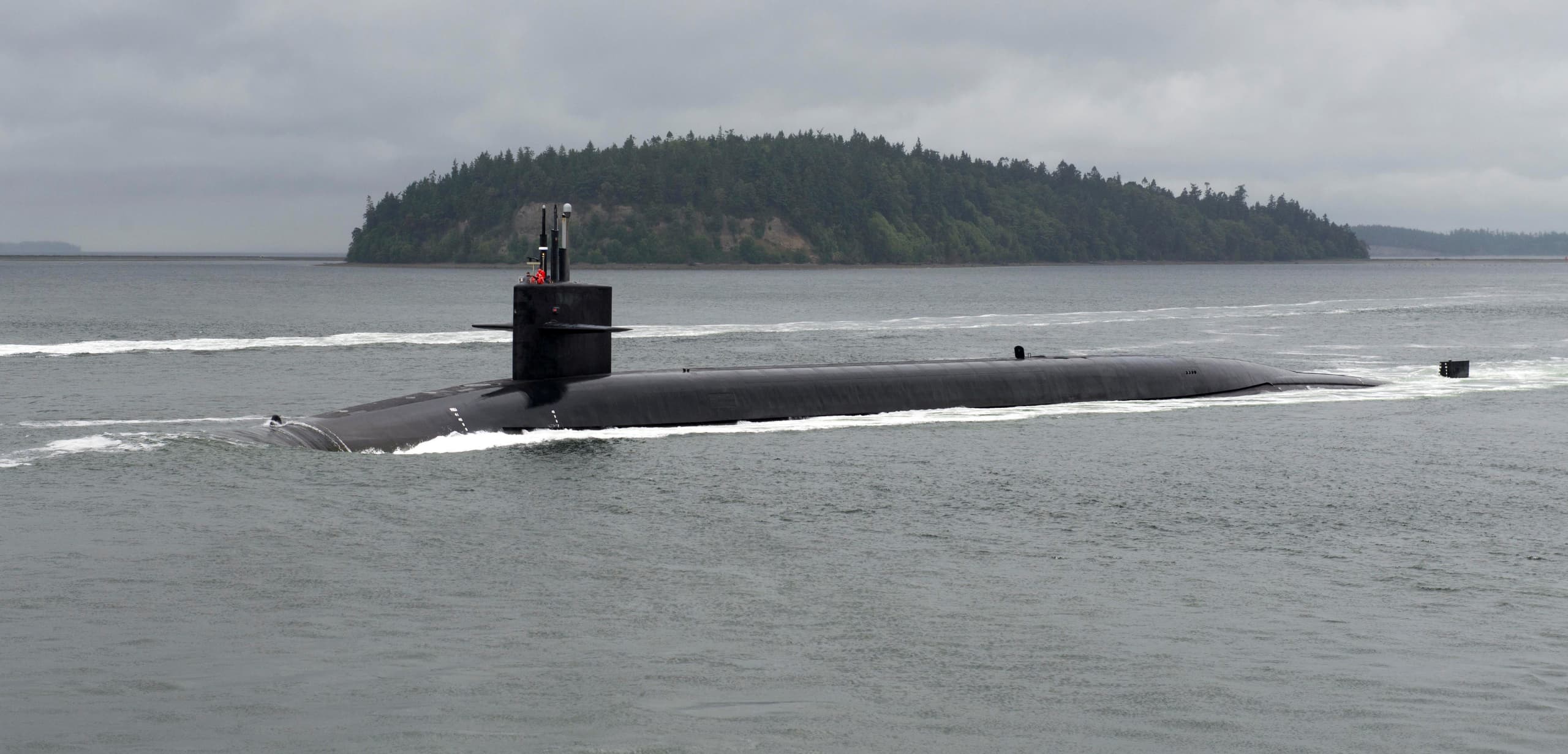
Ohio-Class SSBN
The invisible nuclear deterrent.
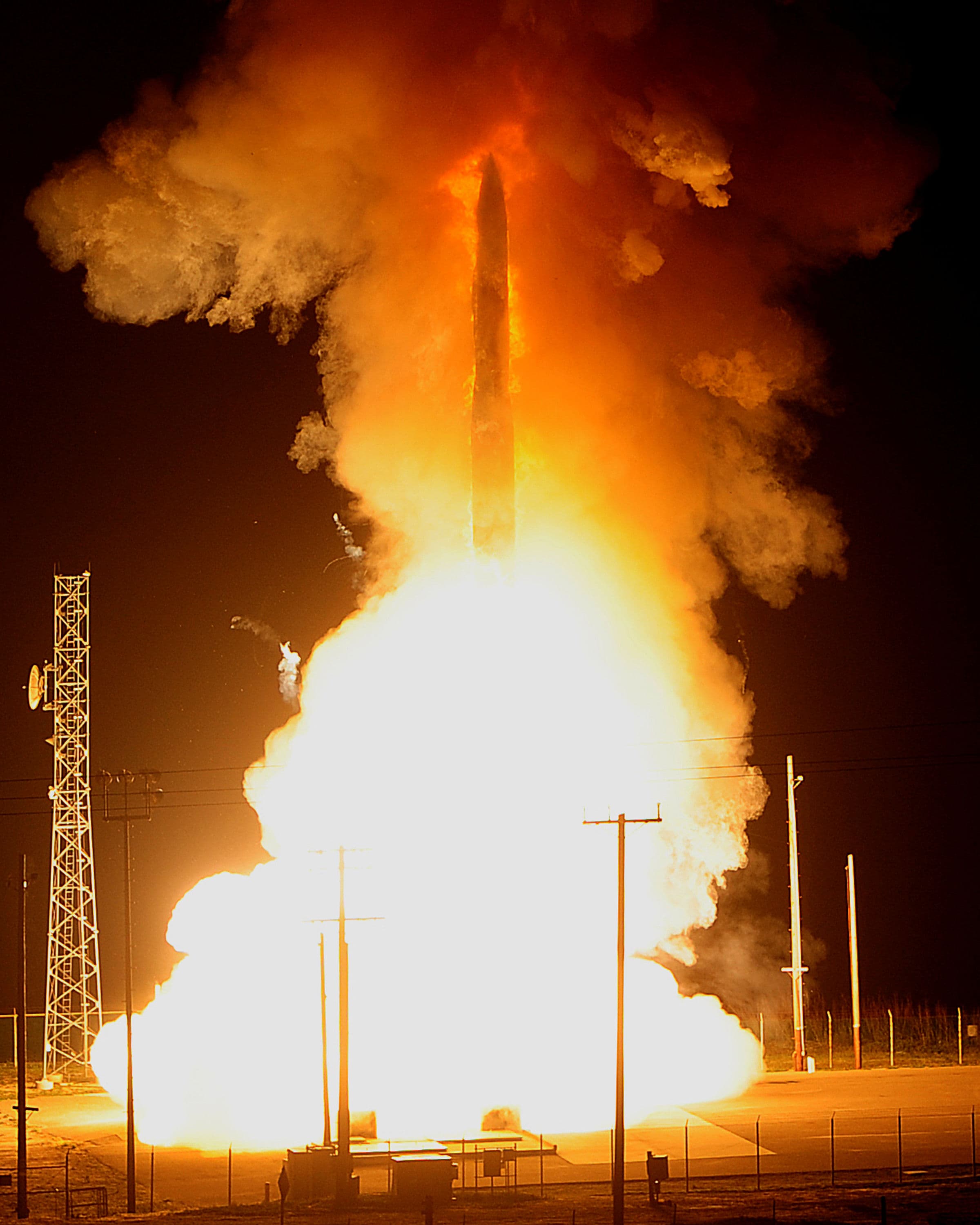
Minuteman III ICBM
Any target on Earth in 30 minutes.
Virginia Class
The silent shadow of the deep.
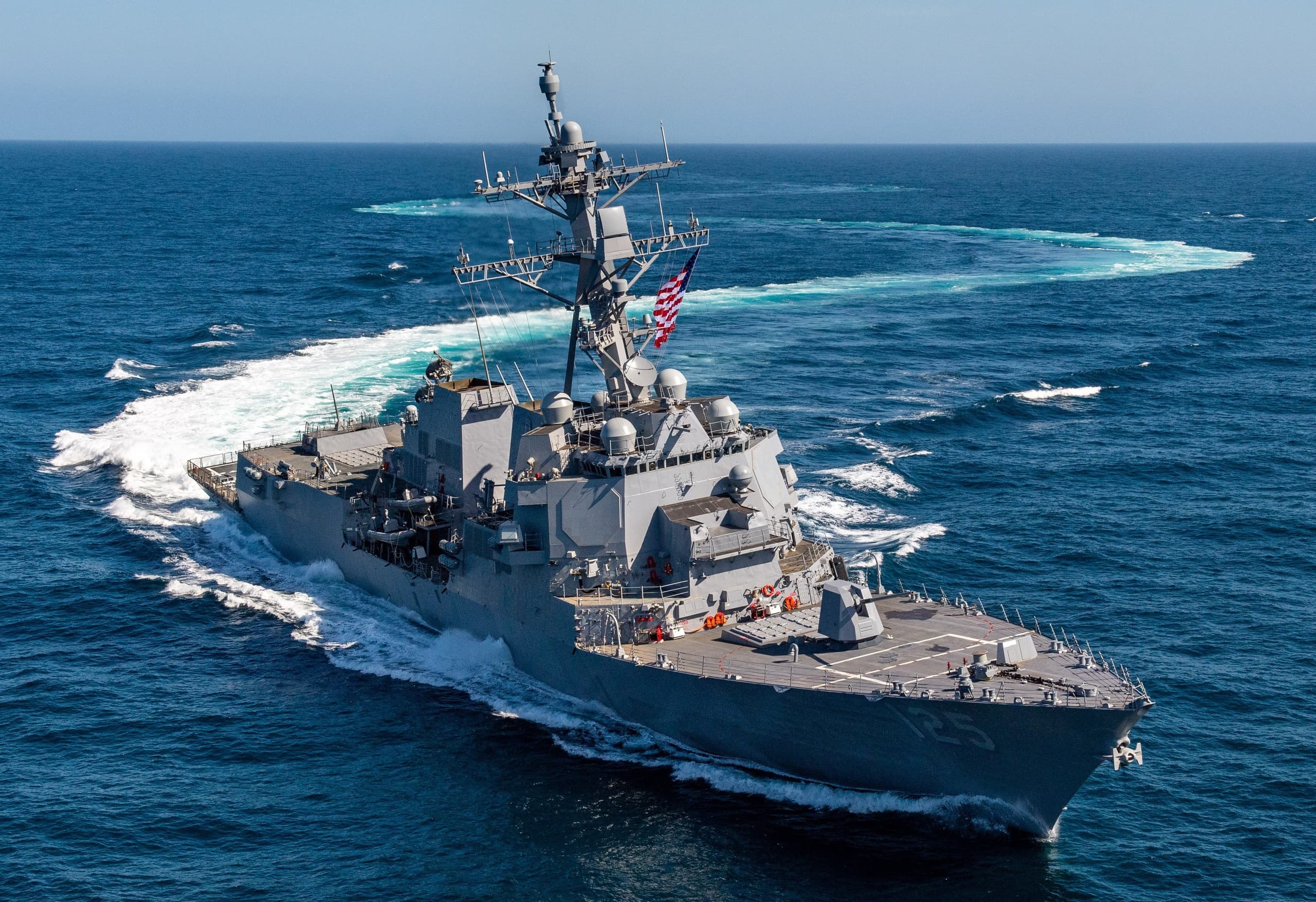
Aegis Combat System
The world's premier naval defense shield.
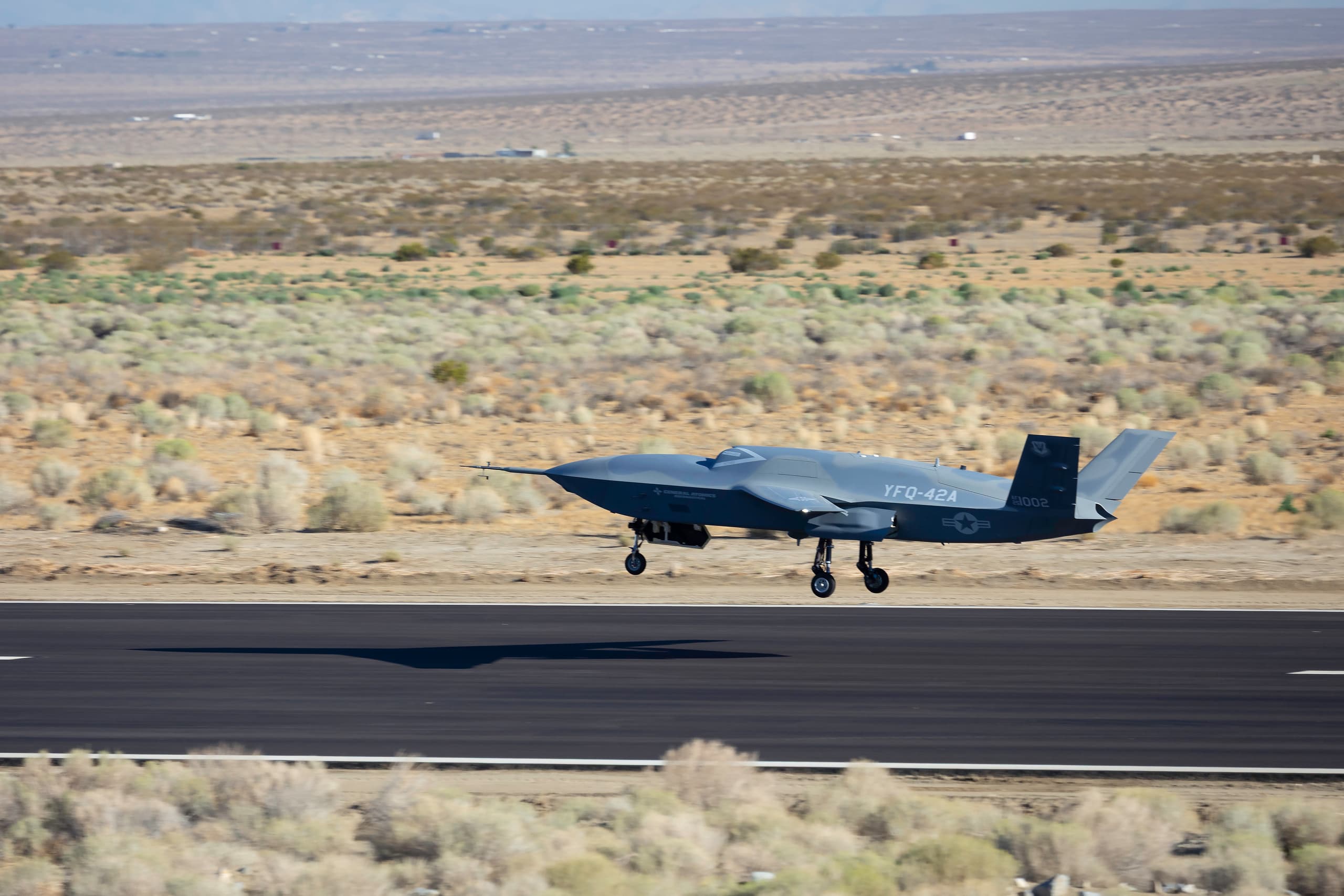
MQ-25 Stingray
Unmanned aerial refueling for the future fleet.
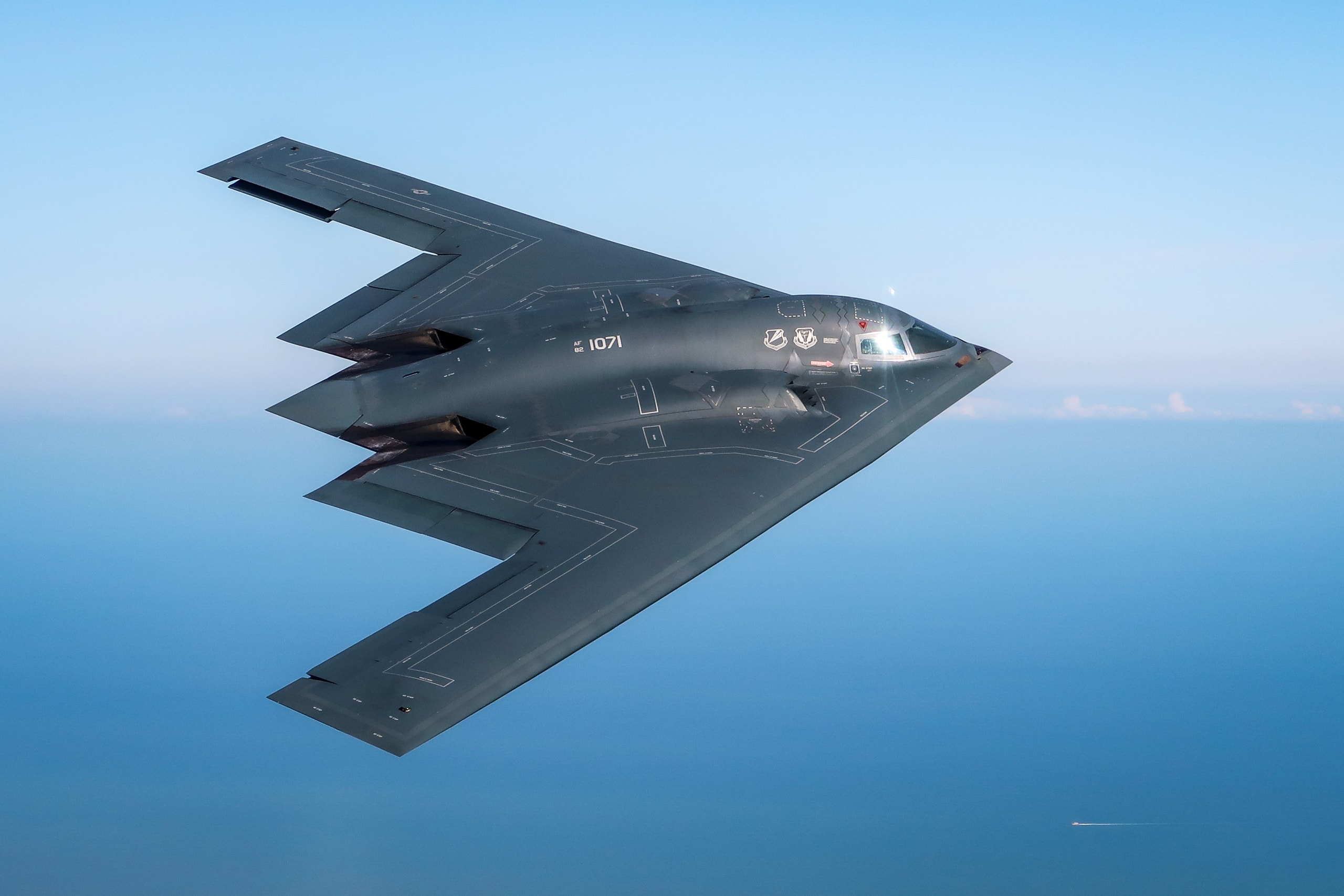
BORN FROMDARKNESS
THE NUCLEAR
TRIAD
The nuclear triad (land-based ICBMs, sea-based SLBMs, and air-launched weapons) ensures that no first strike can simultaneously destroy all three legs. As long as one leg survives, the United States retains the ability to respond. This guaranteed second-strike capability is the foundation of strategic deterrence.
Land (ICBMs)
400 Minuteman III
400+ deployed
24/7 continuous alert
Rapid response time: 30 minutes to any target on Earth
Sea (SSBNs)
14 Ohio-class submarines
~1,000 deployed at sea
Continuous deterrent patrol
Most survivable leg: submarines are undetectable
Air (Bombers)
60 B-52H + 20 B-2 Spirit + B-21 entering service
Variable: conventional and nuclear
Surge-capable (can be dispersed globally)
Recallable: the only leg that can be called back after launch
THE EYES AND EARS
OF THE COMMAND STRUCTURE
Central Intelligence Agency
The primary agency for collecting foreign human intelligence (HUMINT) and conducting covert paramilitary operations at the direction of the President.
AGENCY STATS
THE NEXTGENERATION
Hypersonic Strike
HAWC (Hypersonic Air-breathing Weapon Concept) and HACM are scramjet-powered missiles traveling Mach 5+, moving rapidly to counter modern defense netw...
Autonomous Combat Systems
Directed Energy Weapons
Quantum Sensing & Computing
Offensive Cyber Operations
AI Command & Control

ORBITALDOMINANCE
THE PRIMECONTRACTORS
Lockheed Martin
RTX (Raytheon)
Northrop Grumman
Boeing Defense
General Dynamics
L3Harris
STRATEGICCONTEXT
Combat medicine breakthroughs save 25,000+ civilian lives annually
American logistics can deploy a combat brigade anywhere on Earth in 18 hours
GPS is a $1 trillion global utility provided free by the US military
US defense R&D spending exceeds the total defense budgets of most nations
The US operates more military satellites than all other nations combined
Modern military operations rely on Space Force: every precision weapon depends on satellites
STRATEGIC ALLIANCES.
COLLECTIVE SECURITY.
North Atlantic Treaty Organization
The most successful military alliance in human history. Under Article 5, an attack on one is an attack on all. NATO provides the ironclad security umbrella that deters aggression across the European continent.
INTEGRATED CAPABILITIES
Combined active forces of 3.4 million personnel
Shared command-and-control and airspace defense systems
Nuclear sharing programs (Belgium, Germany, Italy, Netherlands, Turkey)
AUKUS Alliance
A trilateral security partnership between Australia, the United Kingdom, and the United States, focused on delivering conventionally armed, nuclear-powered submarines to Australia and co-developing advanced quantum, AI, and hypersonic technologies.
INTEGRATED CAPABILITIES
Trilateral undersea warfare integration
Shared quantum computing and cryptography R&D
Hypersonic weapon and counter-hypersonic development
“The supreme art of war is to subdue the enemy without fighting.”
The Visual Record
Iconic Photographs
The American armed forces across a century of conflict, from the beaches of Normandy to the skies over the modern battlespace, captured on film.
Raising the Flag on Iwo Jima1945
Joe Rosenthal's photograph of the second flag-raising on Iwo Jima, February 23, 1945, became the most reproduced image of World War II and the model for the Marine Corps War Memorial.
Mount Suribachi, Iwo Jima, Japan
General MacArthur Wading Ashore at Leyte1944
Gaetano Faillace's photograph of Douglas MacArthur striding through the surf at Leyte, October 1944, fulfilled his 1942 pledge to return to the Philippines.
Leyte, Philippines
President George W. Bush at Ground Zero with the Bullhorn2001
Standing on the rubble of the World Trade Center on September 14, 2001, Bush rallied rescue workers and a grieving nation three days after the attacks.
World Trade Center site, New York City
General George S. Patton1944
George S. Patton, among the most aggressive Allied commanders, led the Third Army's rapid drive across France in 1944.
England / France
The Great White Fleet Departing Hampton Roads1907
Theodore Roosevelt sent the white-hulled U.S. battleship fleet around the world in 1907–09 to display American naval power and reach.
Hampton Roads, Virginia
The B-2 Spirit Stealth Bomber1988
Northrop's B-2 Spirit, first rolled out in 1988, was a leap in low-observable design and long-range strategic airpower.
Palmdale, California
Into the Jaws of Death1944
Robert F. Sargent's photograph of the 1st Infantry Division disembarking at Omaha Beach, June 6, 1944, is among the defining images of the Normandy invasion.
Omaha Beach, Normandy, France
General Dwight D. Eisenhower Speaking to Paratroopers1944
Eisenhower visited the 502nd Parachute Infantry Regiment on June 5, 1944, hours before the Normandy drop: a portrait of command and resolve.
Greenham Common, England
The USS Shaw Exploding at Pearl Harbor1941
The dramatic explosion of the USS Shaw during the Japanese attack on Pearl Harbor became an emblem of the day that drew America into World War II.
Pearl Harbor, Hawaii
The Surrender of Japan on the USS Missouri1945
On September 2, 1945, Japanese officials signed the formal surrender aboard the USS Missouri in Tokyo Bay, with MacArthur presiding: the end of the Second World War.
Tokyo Bay, Japan
The Chosin Reservoir Breakout1950
Surrounded by Chinese forces in sub-zero conditions, the 1st Marine Division fought its way out of the Chosin Reservoir in late 1950: an epic of the Korean War.
Chosin Reservoir, North Korea
Toppling the Statue of Saddam Hussein2003
On April 9, 2003, U.S. Marines and Iraqis toppled a large statue of Saddam Hussein in Firdos Square, a symbol of the regime's fall.
Firdos Square, Baghdad, Iraq
Tuskegee Airmen Briefing1944
Toni Frissell and Army photographers documented the Tuskegee Airmen, whose combat record in 1944–45 helped pave the way for desegregation of the armed forces.
Ramitelli, Italy
The Enola Gay and Her Crew1945
Colonel Paul Tibbets and the crew of the Enola Gay flew the B-29 that dropped the atomic bomb on Hiroshima, August 6, 1945, hastening the end of the war.
Tinian, Mariana Islands
F-117 Nighthawks in Operation Desert Storm1991
The faceted F-117 Nighthawk struck heavily defended targets in Baghdad in 1991, proving stealth airpower in combat during the Gulf War.
Iraq / Saudi Arabia
Dead Confederate Sharpshooter in the Devil's Den1863
Alexander Gardner's somber Gettysburg photograph (later shown to be staged) brought the human cost of the Civil War to the home front.
Gettysburg, Pennsylvania
Marines in the Battle of Fallujah2004
The Second Battle of Fallujah in late 2004 was among the fiercest urban engagements fought by U.S. Marines and soldiers in the Iraq War.
Fallujah, Iraq
U.S. Navy Blue Angels Flying over the USS Constitution1997
The Blue Angels roaring over the USS Constitution joined two enduring symbols of the U.S. Navy: its oldest commissioned warship and its precision flyers.
Boston Harbor, Massachusetts
The Highway of Death1991
Retreating Iraqi forces were struck on Highway 80 in February 1991; the wreckage became a stark image of the Gulf War's decisive close.
Highway 80, Kuwait–Iraq
Teddy Roosevelt and the Rough Riders at San Juan Hill1898
Theodore Roosevelt's Rough Riders and their charge up the San Juan Heights in 1898 made him a national hero during the Spanish–American War.
Santiago de Cuba
The Doolittle Raiders on the Deck of the USS Hornet1942
In April 1942, Jimmy Doolittle led B-25s launched from the USS Hornet to strike Tokyo: a daring morale-lifting blow months after Pearl Harbor.
Pacific Ocean
The Situation Room During Operation Neptune Spear2011
Pete Souza's photograph of President Obama and national-security officials in the Situation Room on May 1, 2011 captured the tense minutes of the bin Laden raid.
The White House, Washington, D.C.
Navajo Code Talkers Operating Radios in the Pacific1943
Navajo Code Talkers used their language to create a secure battlefield code the enemy never broke, serving with the Marines across the Pacific theater.
Pacific theater
M1 Abrams Tanks on the Thunder Run into Baghdad2003
The 'Thunder Runs' of April 2003 sent M1 Abrams tanks racing into Baghdad, collapsing organized resistance in the capital.
Baghdad, Iraq
General Norman Schwarzkopf in the Gulf1991
General Norman Schwarzkopf commanded the coalition whose sweeping flanking maneuver routed Iraqi forces in 100 hours during the 1991 Gulf War.
Riyadh, Saudi Arabia
U.S. Army Rangers Resting at Pointe du Hoc1944
The 2nd Ranger Battalion scaled the 100-foot cliffs of Pointe du Hoc under fire on June 6, 1944 to silence German guns overlooking the landings.
Pointe du Hoc, Normandy, France
An A-10 Thunderbolt II (“Warthog”) in Flight,
The rugged A-10, designed around a 30mm Gatling gun, is the U.S. Air Force's premier close-air-support aircraft, beloved by ground troops.
United States
The USS Nimitz Supercarrier Conducting Flight Operations,
The USS Nimitz, lead ship of its class of nuclear supercarriers, projects American airpower across the globe from a floating airfield.
At sea
U.S. Marines at the Battle of Khe Sanh1968
The 77-day siege of Khe Sanh in 1968 was one of the most intense engagements of the Vietnam War, sustained largely by aerial resupply.
Khe Sanh, South Vietnam
Minuteman III ICBM Test Launch at Vandenberg,
Test launches of the Minuteman III from Vandenberg demonstrate the land-based leg of the U.S. nuclear deterrent triad.
Vandenberg Space Force Base, California
U.S. Troops Defending the Pusan Perimeter1950
American and allied forces held the Pusan Perimeter in 1950 against North Korean assault, buying time for the Inchon landing that turned the war.
Pusan, South Korea
The F-22 Raptor Executing a Vertical Climb2020
A U.S. Air Force F-22 Raptor pulls into a maximum vertical climb during an aerial demonstration at Joint Base Langley-Eustis, Virginia, showcasing the extreme maneuverability and thrust-vectoring power of America's premier air-superiority stealth fighter.
Joint Base Langley-Eustis, Virginia
General Matthew Ridgway at the Front Lines in Korea1951
Taking command in late 1950, Matthew Ridgway revitalized the Eighth Army and stabilized the Korean front in 1951, often visiting forward positions himself.
Korea
The Explosion of the USS Arizona at Pearl Harbor1941
Captured on December 7, 1941, this photograph shows the catastrophic explosion of the battleship USS Arizona's forward magazines after being hit by Japanese bomb attacks, drawing the United States into World War II.
Pearl Harbor, Hawaii
B-17 Flying Fortress Bomber Stream1943
The Boeing B-17 Flying Fortress was the backbone of the U.S. Army Air Forces' daylight strategic bombing campaign over occupied Europe, operating in massive, highly coordinated formations to defeat Nazi industrial infrastructure.
Over Occupied Europe
The Flying Tigers over China1942
The 'Flying Tigers' of the 1st American Volunteer Group defended China against Japanese forces prior to and during the early stages of U.S. entry into World War II, achieving legendary status with their shark-faced P-40 fighters.
China
The 101st Airborne Breaking Out of Bastogne1944
Encircled by German forces during the Battle of the Bulge in December 1944, the 101st Airborne Division famously held the vital crossroads town of Bastogne in freezing conditions, refusing to surrender and blunting the German offensive.
Bastogne, Belgium
Kamikaze Strike on the USS Bunker Hill1945
During the Battle of Okinawa on May 11, 1945, two Japanese kamikaze suicide aircraft struck the USS Bunker Hill within 30 seconds, causing severe damage, killing 387 crewmen, and highlighting the fierce resistance in the Pacific.
Off Okinawa, Pacific Ocean
The Trinity Test Detonation1945
The Manhattan Project culminated in the Trinity test at Alamogordo, New Mexico, marking the birth of the nuclear age and proving the viability of plutonium implosion technology before its deployment to end the war.
Alamogordo, New Mexico
FDR Signing the Lend-Lease Bill1941
In March 1941, President Franklin D. Roosevelt signed the Lend-Lease Act, transforming the United States into the 'Arsenal of Democracy' by providing vital military aid to Britain, China, and later the Soviet Union.
Washington, D.C.
Military History
The military history of the United States encompasses the formation and evolution of its armed forces, beginning with colonial militias and the Continental Army established by the Second Continental Congress on June 14, 1775, to secure independence from Britain through the Revolutionary War.