

Art & Architecture
AMERICA'SVISUAL LEGACY
No other nation has built with greater ambition or generated artistic movements with deeper global impact.
35K+
Museums
5,800+
Skyscrapers
$42B
Arts Economy
0+
Art Museums
0+
Skyscrapers
$0B
Arts Economy
0M+
Public Artworks
“Architecture is the art of our life of our people: our culture in stone and steel.”
: Frank Lloyd Wright
Overview
A Nation as Art
No nation has shaped the built environment with greater ambition. America invented the skyscraper in the 1880s and never stopped building. From Louis Sullivan's first steel-frame tower in Chicago to the supertalls now rising past 1,500 feet in Manhattan, the United States has consistently pushed the limits of what steel, concrete, and glass can become.
The visual arts tell the same story of restless ambition. American painters invented entirely new movements, including the Hudson River School's romantic canvases, the Abstract Expressionists' emotional intensity, and Pop Art's brilliant subversion of consumer culture. These movements moved the center of global artistic gravity from Paris to New York after 1945.
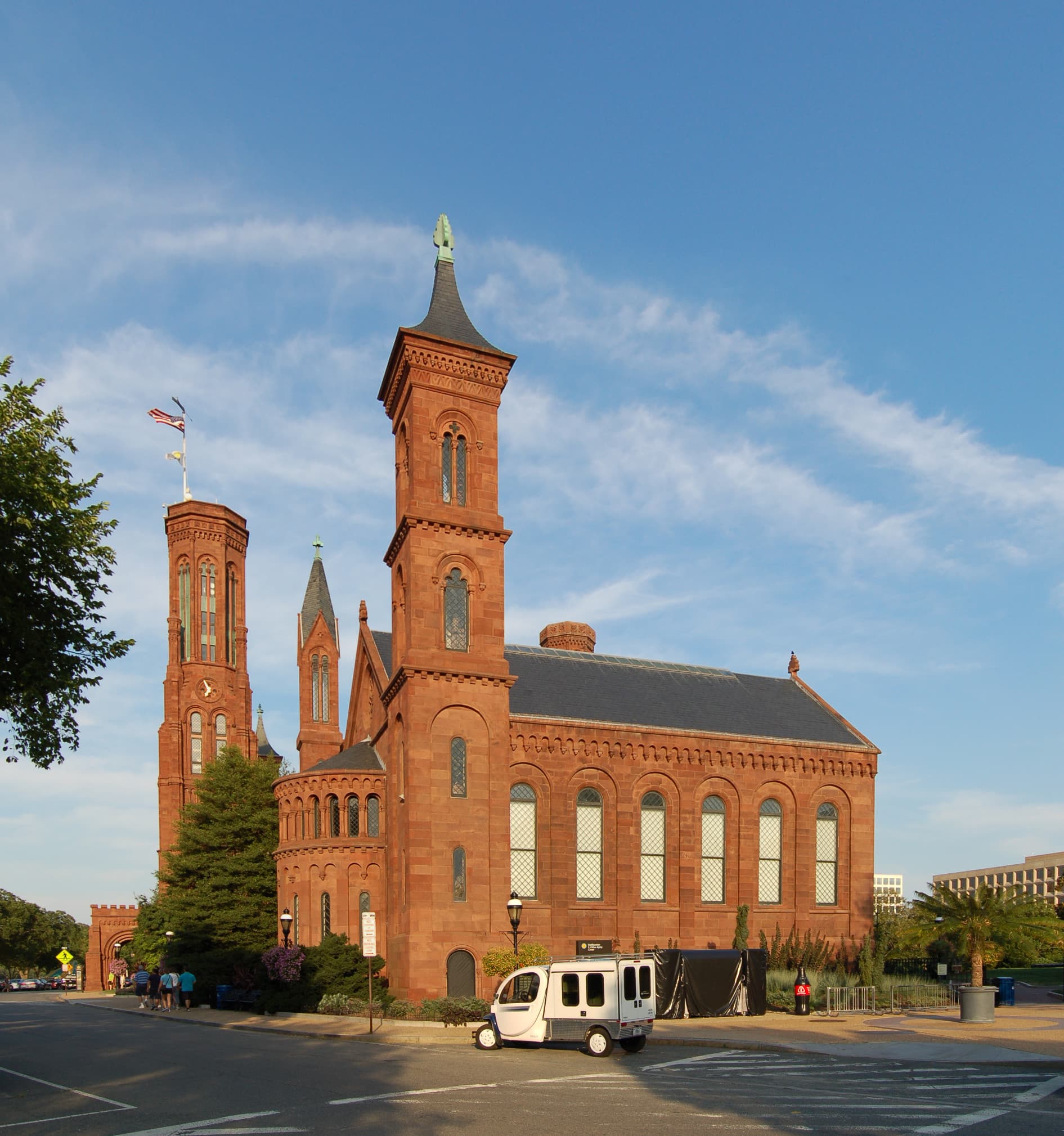
Today, the United States is home to more than 35,000 museums. The Smithsonian alone holds 213 million artifacts across 21 institutions. The Metropolitan Museum of Art is among the most visited cultural institutions on Earth. From the National Mall in Washington to the museums lining Fifth Avenue, America has built a permanent architectural argument for the value of beauty.
America built the world's first skyscrapers
The Home Insurance Building in Chicago (1885) is widely considered the world's first true skyscraper: a 10-story structure with an iron and steel load-bearing skeleton rather than thick masonry walls. This Chicago invention launched the global high-rise era.
The Metropolitan Museum of Art holds 1.5 million objects
Founded in 1870, the Met's collection spans 5,000 years of human civilization across all cultures. It receives approximately 5 million visitors per year, making it one of the most visited art museums in the world: larger in collection than the Louvre.
Abstract Expressionism moved the global art center from Paris to New York
After World War II, artists like Jackson Pollock, Mark Rothko, and Willem de Kooning created a distinctly American visual language: gestural, emotional, and monumental in scale: that established New York as the new capital of contemporary art by the early 1950s.
Curated Galleries
Portals into an Era
Hover each portal: the photography transitions from black-and-white to full color as you discover each era.





“Architecture merits more attention from Americans than it has hitherto received.”
: Thomas Jefferson
The Architecture of a Nation
Five Eras
01
🏛️Beaux-Arts Classicism
Inspired by the École des Beaux-Arts in Paris, this movement brought palatial grandeur to American civic and commercial life. Limestone colonnades, coffered ceilings, and monumental scale defined the Gilded Age.
Grand Central Terminal
02
✦Art Deco Skyscrapers
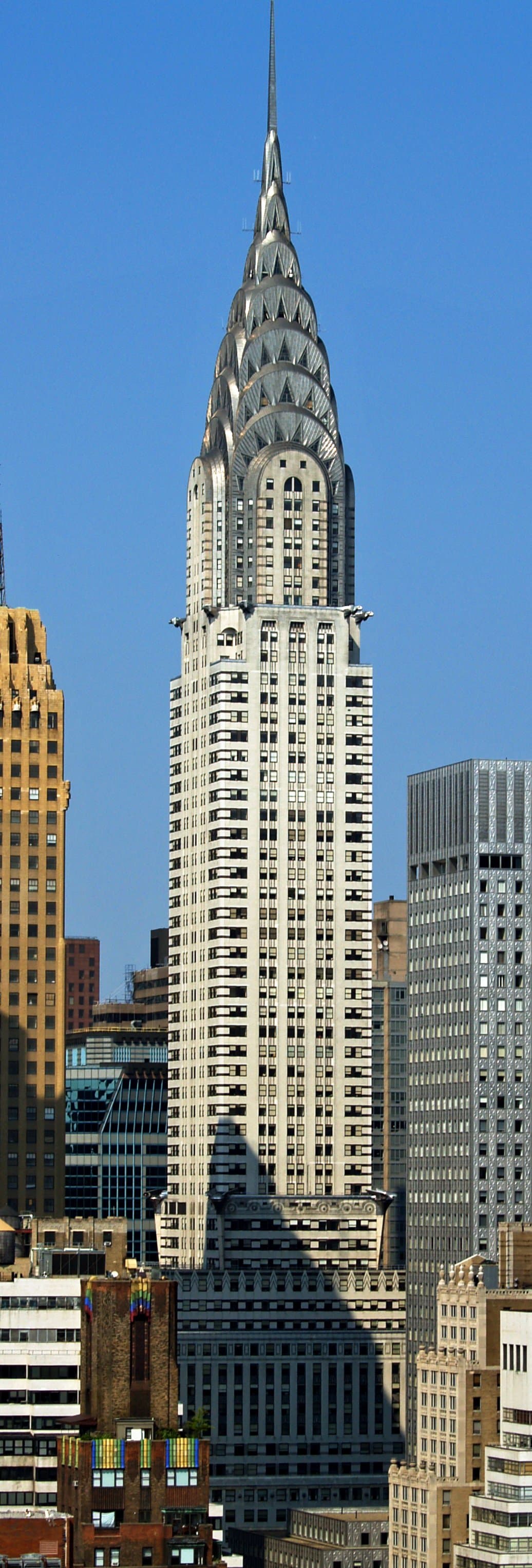
The machine age soared into the sky. Gleaming steel, eagle gargoyles, and stainless spires expressed boundless optimism as America raced to build the world's tallest towers.
Chrysler Building
03
◻International Modernism
Less is more. Glass curtain walls, exposed structural steel, and open plazas replaced ornament with pure geometry. New York and Chicago became laboratories for the International Style.
Seagram Building
04
◈Postmodern Eclecticism
Architecture rebelled against the coldness of modernism, embracing historical references, playful ornament, and bold colors. The Chippendale skyscraper announced that irony had arrived on Madison Avenue.
AT&T Building
05
⬡Supertall Era
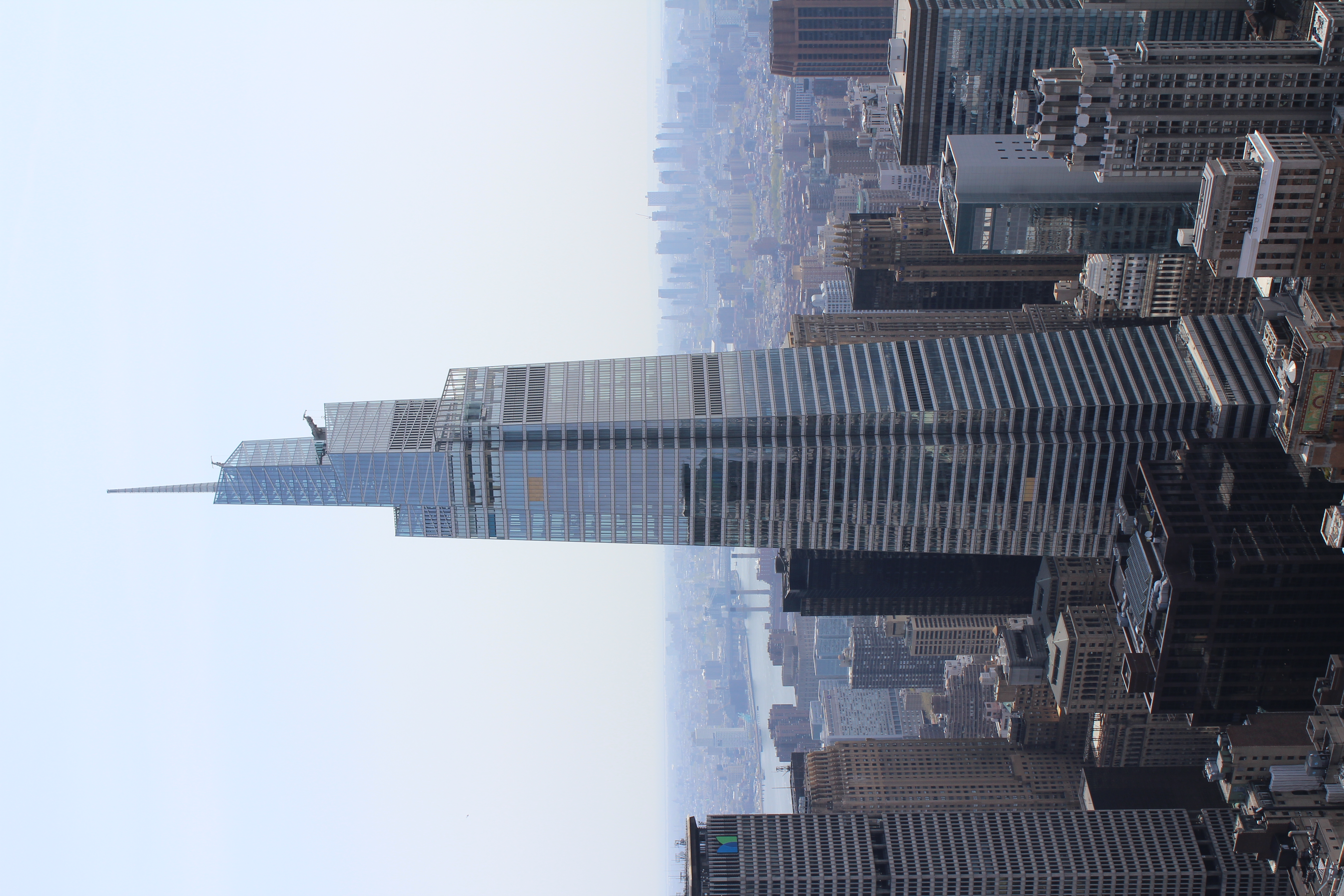
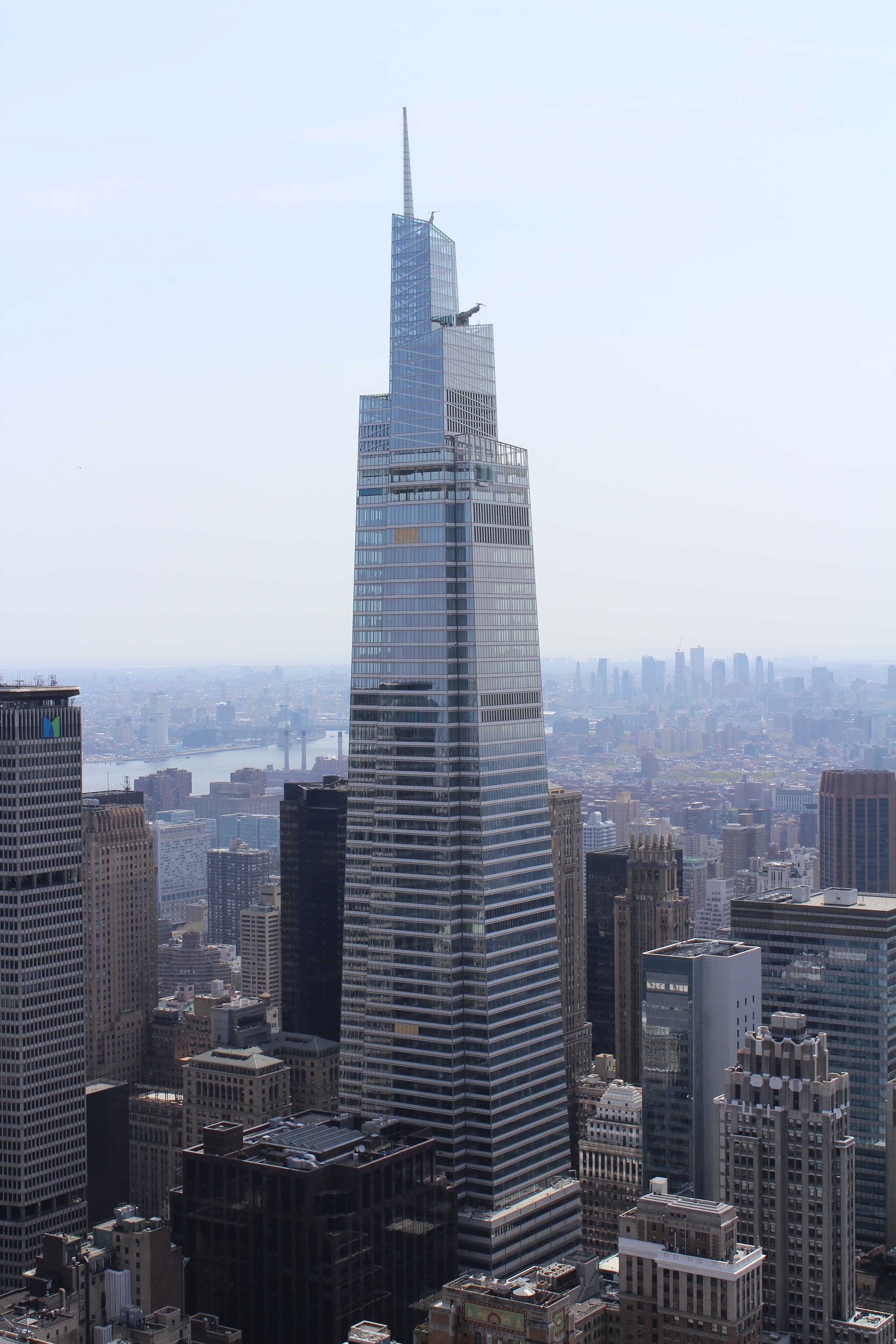
A new generation of supertalls, One Vanderbilt, Central Park Tower, 111 West 57th, pushed the sky ever higher. Computational design and structural engineering fused into architecture as spectacle.
One World Trade Center
“Architecture is about public space, shared space, how people experience that space and how that space can enrich their lives.”
: Maya Lin

“Art is what you can get away with.”
: Andy Warhol
Deep Dives
Explore Deeper

The Ask America Oracle
Ask questions about American architecture, art movements, and the great museums of the United States.