THE NATION'S ATTIC · FREE TO ALL
The Smithsonian & Great Museums
The world's largest museum complex, free, on the National Mall, plus the great museums of America's cities.
It began with the gift of an Englishman who never set foot in America.
In 1846, the fortune of James Smithson founded an institution "for the increase and diffusion of knowledge." It grew into the largest museum complex on Earth: more than twenty museums, most of them free, lined along the National Mall like the rooms of one enormous national house. It is called the nation's attic, because it keeps everything.
ON THE NATIONAL MALL
The nation's attic
The Smithsonian museums run along the Mall between the Capitol and the monument, free and open to all, holding everything from aircraft and diamonds to the skeletons of dinosaurs.
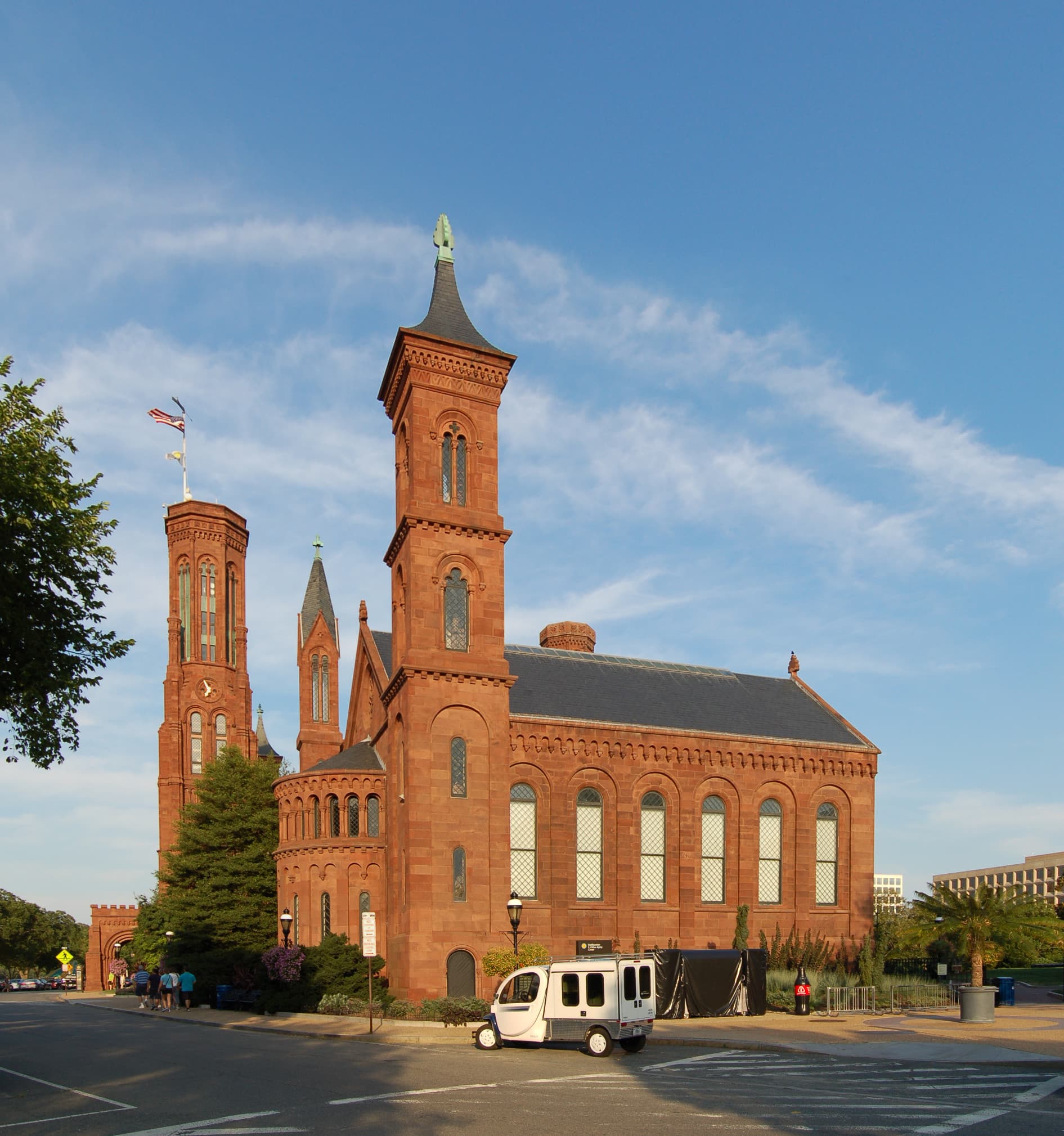
The red sandstone Norman keep on the Mall, the institution's first home and enduring symbol, now its visitor center and the crypt of James Smithson himself.
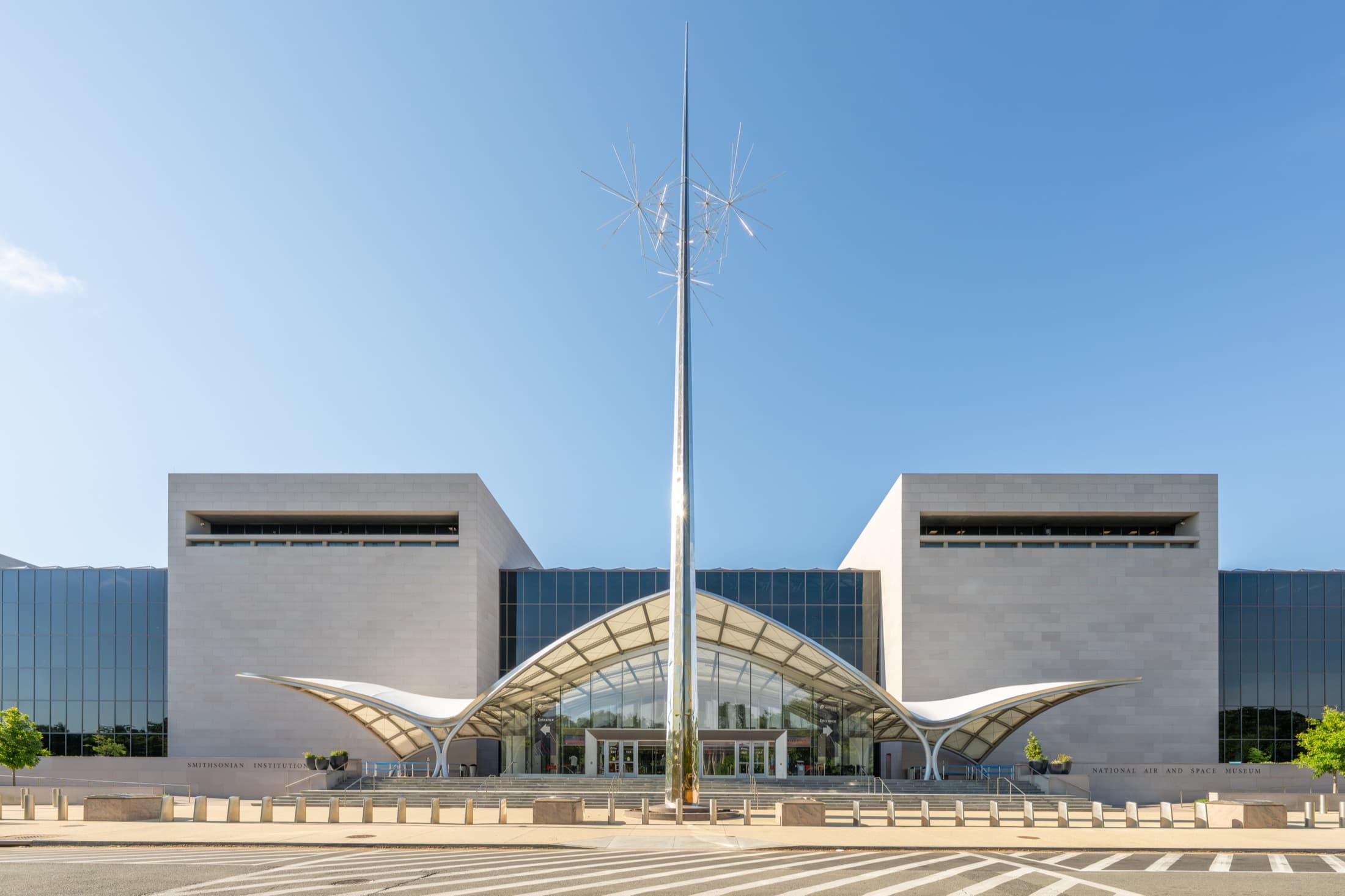
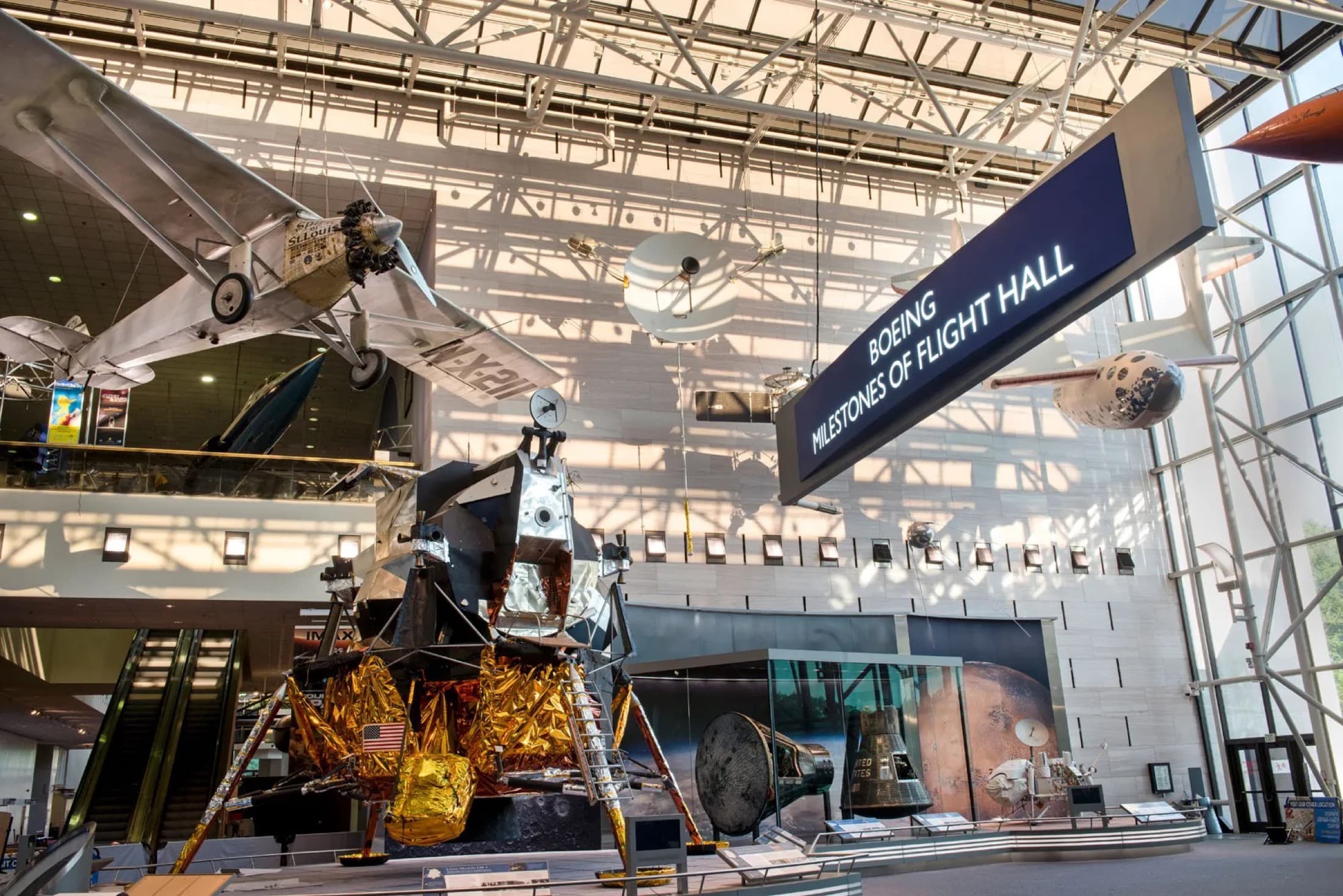
For decades the most-visited museum on Earth, home to the Wright Flyer, the Spirit of St. Louis, and the Apollo 11 command module.
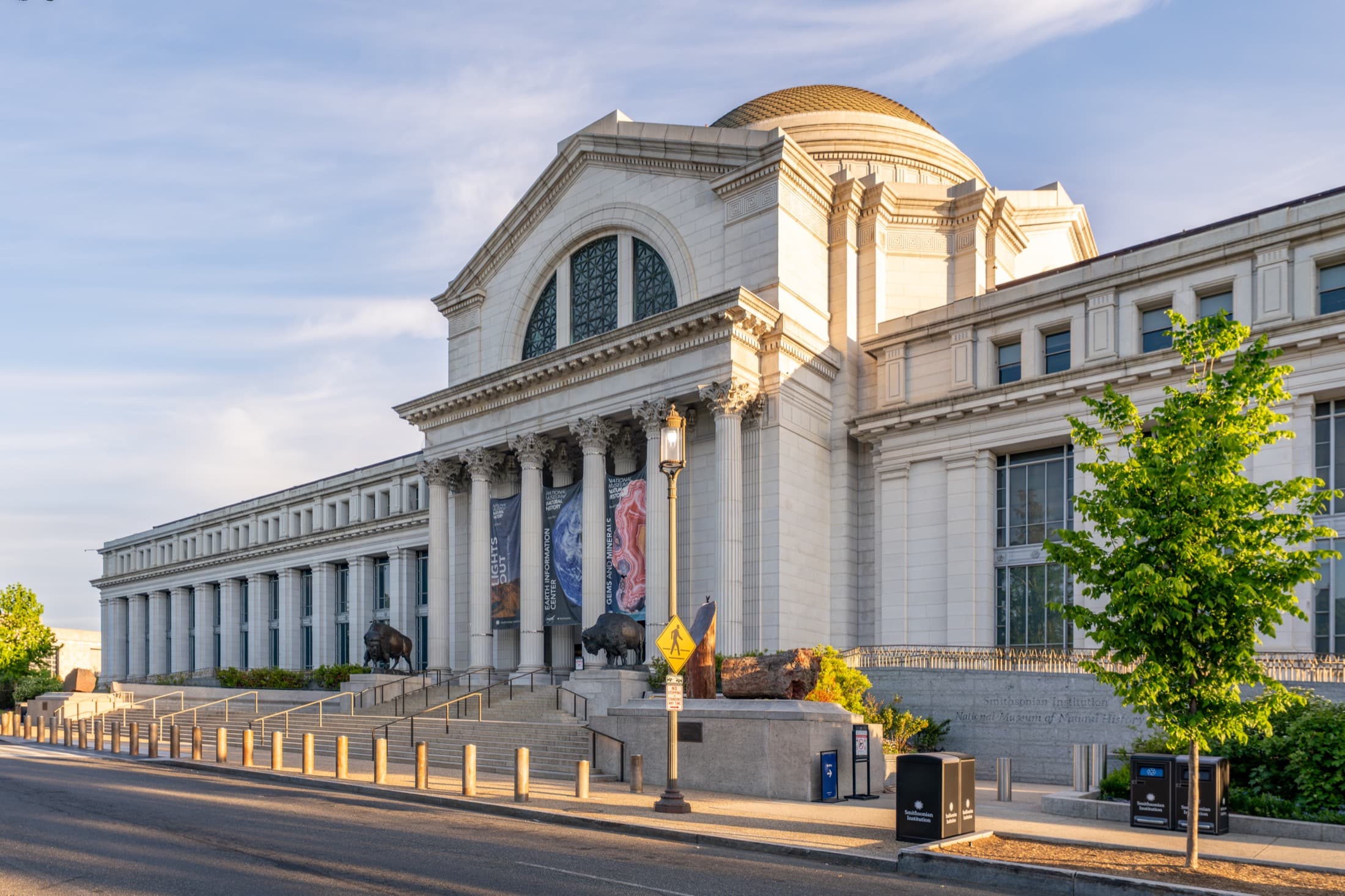
The great green-domed rotunda and its African elephant, guarding a collection of over 145 million specimens, from the Hope Diamond to the dinosaurs.
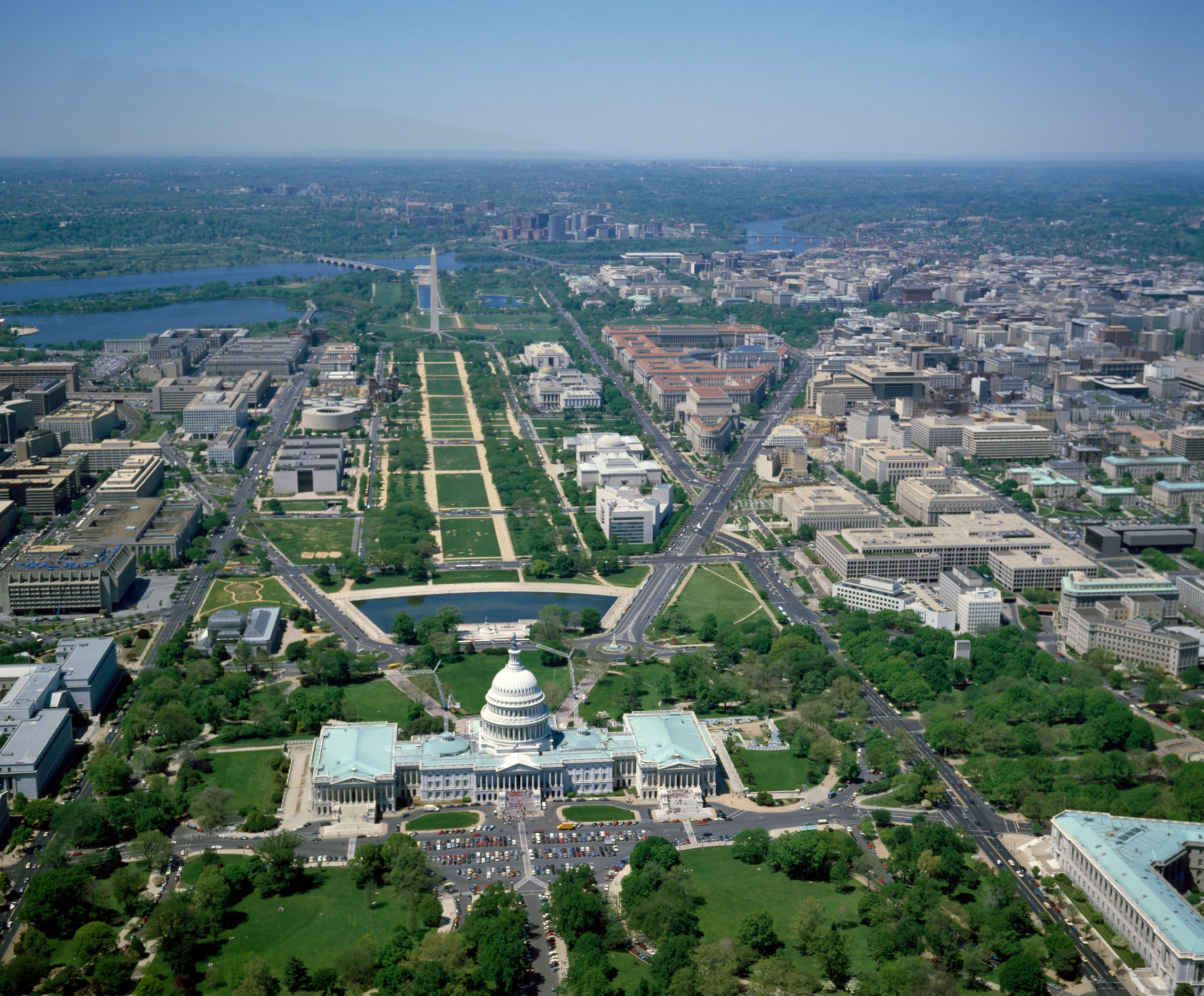
The National Mall: the nation's museums, lined up between the Capitol and the monument.
THE NATIONAL GALLERY OF ART
Two buildings, one gallery
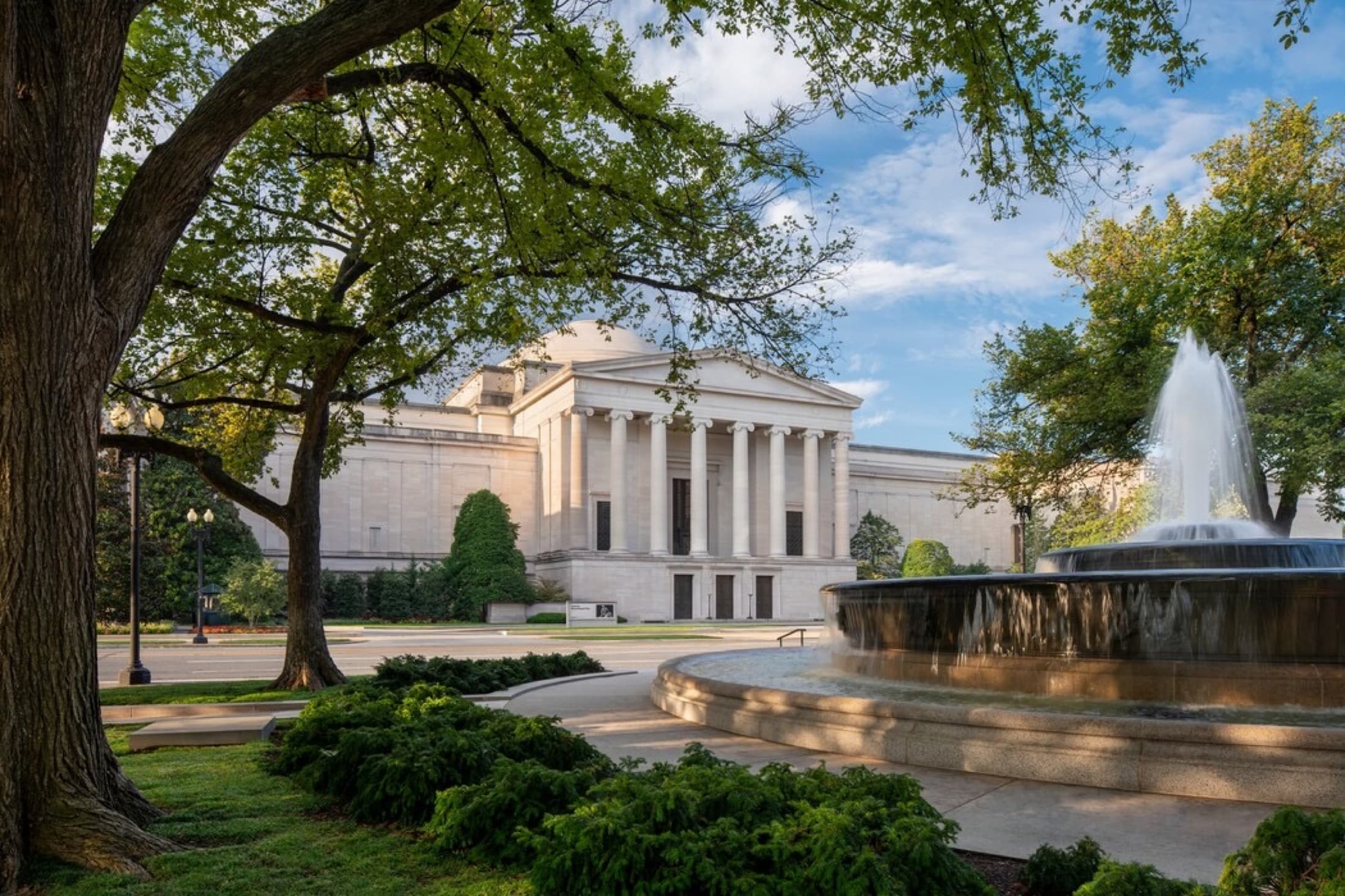
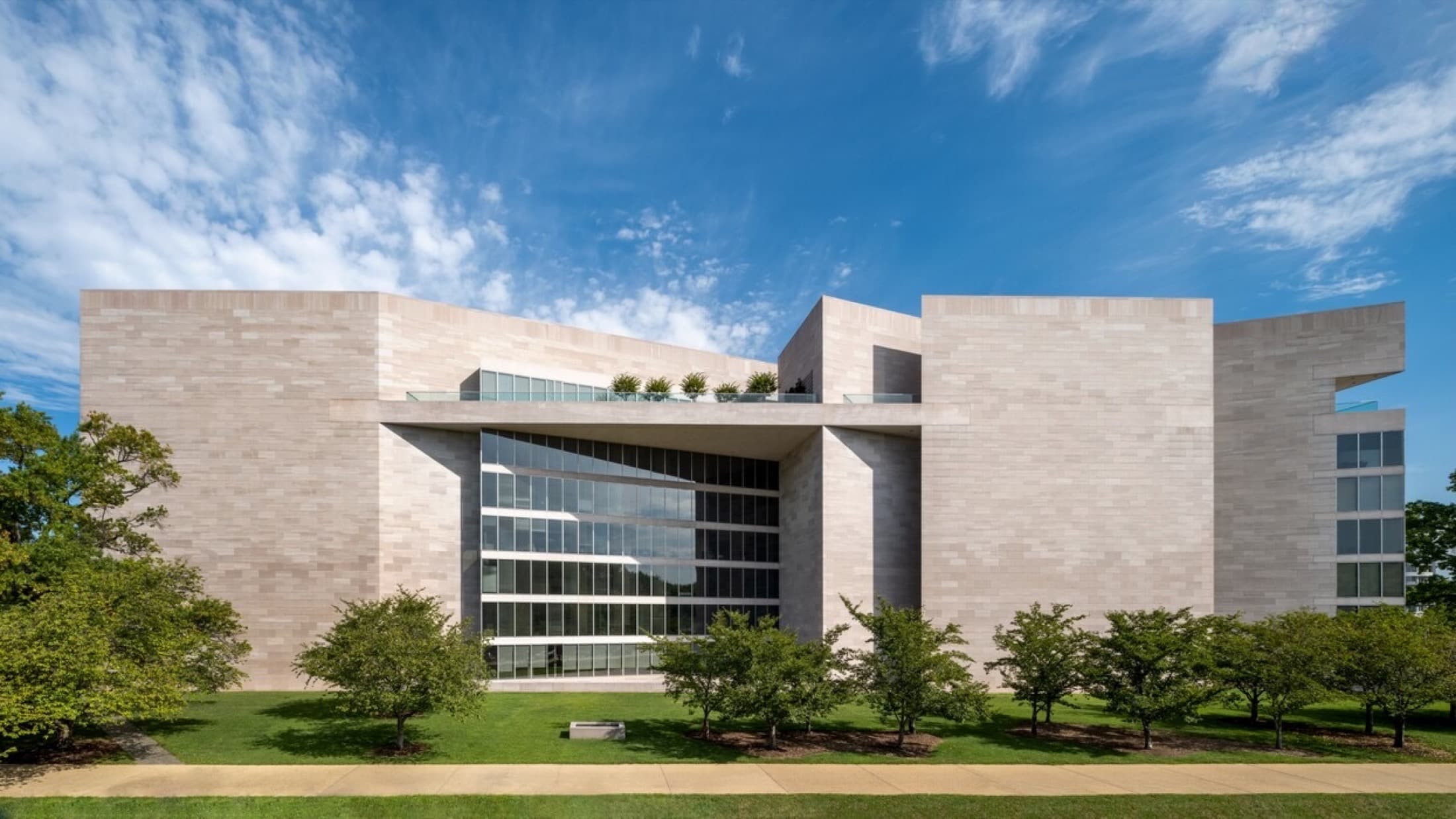
Not part of the Smithsonian, but standing alongside it on the Mall. The neoclassical West Building (1941) and I. M. Pei's modernist East Building (1978), joined underground, show two centuries of American taste in a single free institution.
THE GREAT CITY MUSEUMS
From Fifth Avenue to the West Coast
Beyond the capital, America's great cities built their own cathedrals of art, funded by private fortunes and opened to the public, some of the buildings masterpieces in their own right.
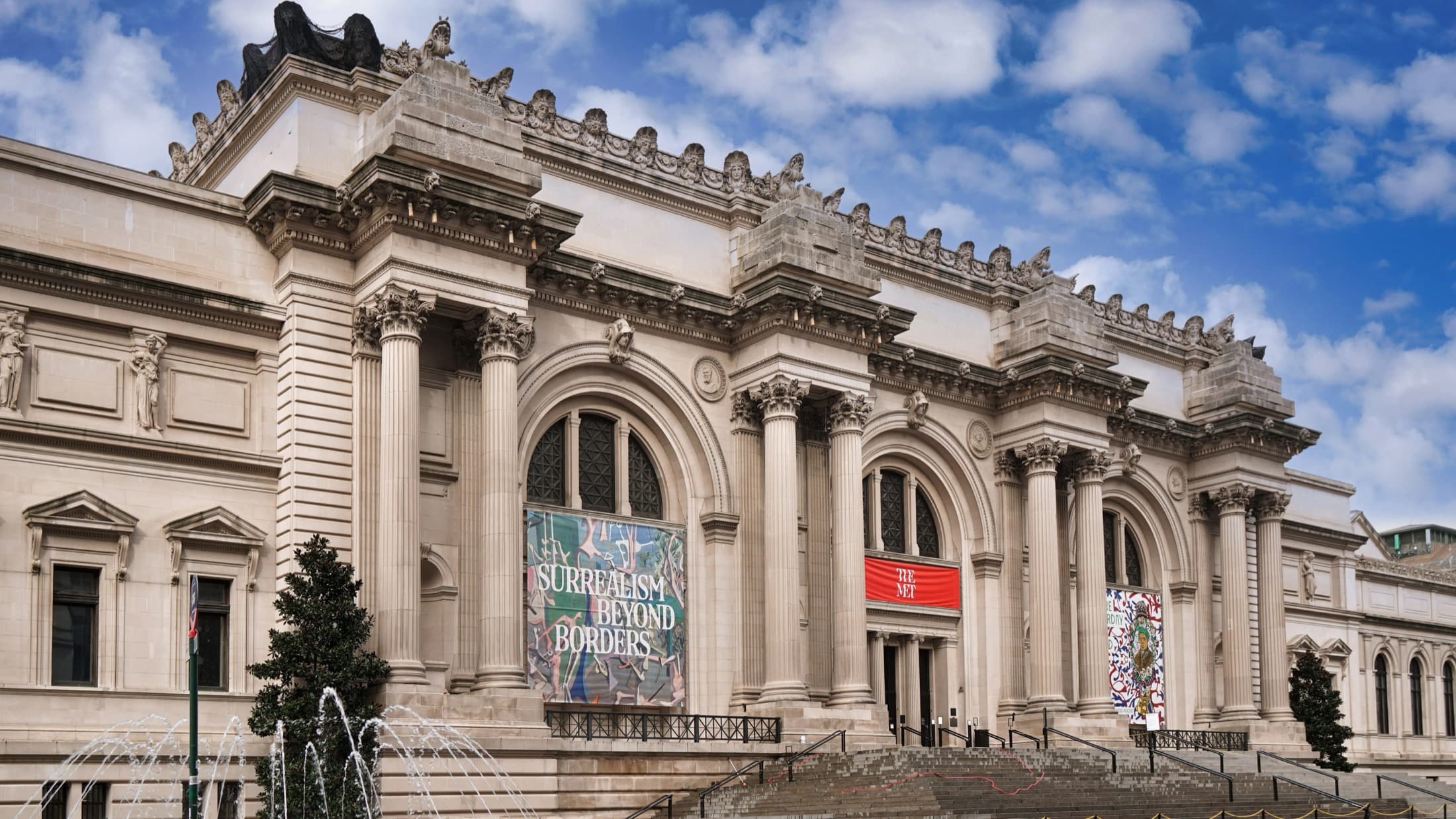
The largest art museum in the Americas, its Fifth Avenue facade opening onto five thousand years of art from every civilization on Earth.
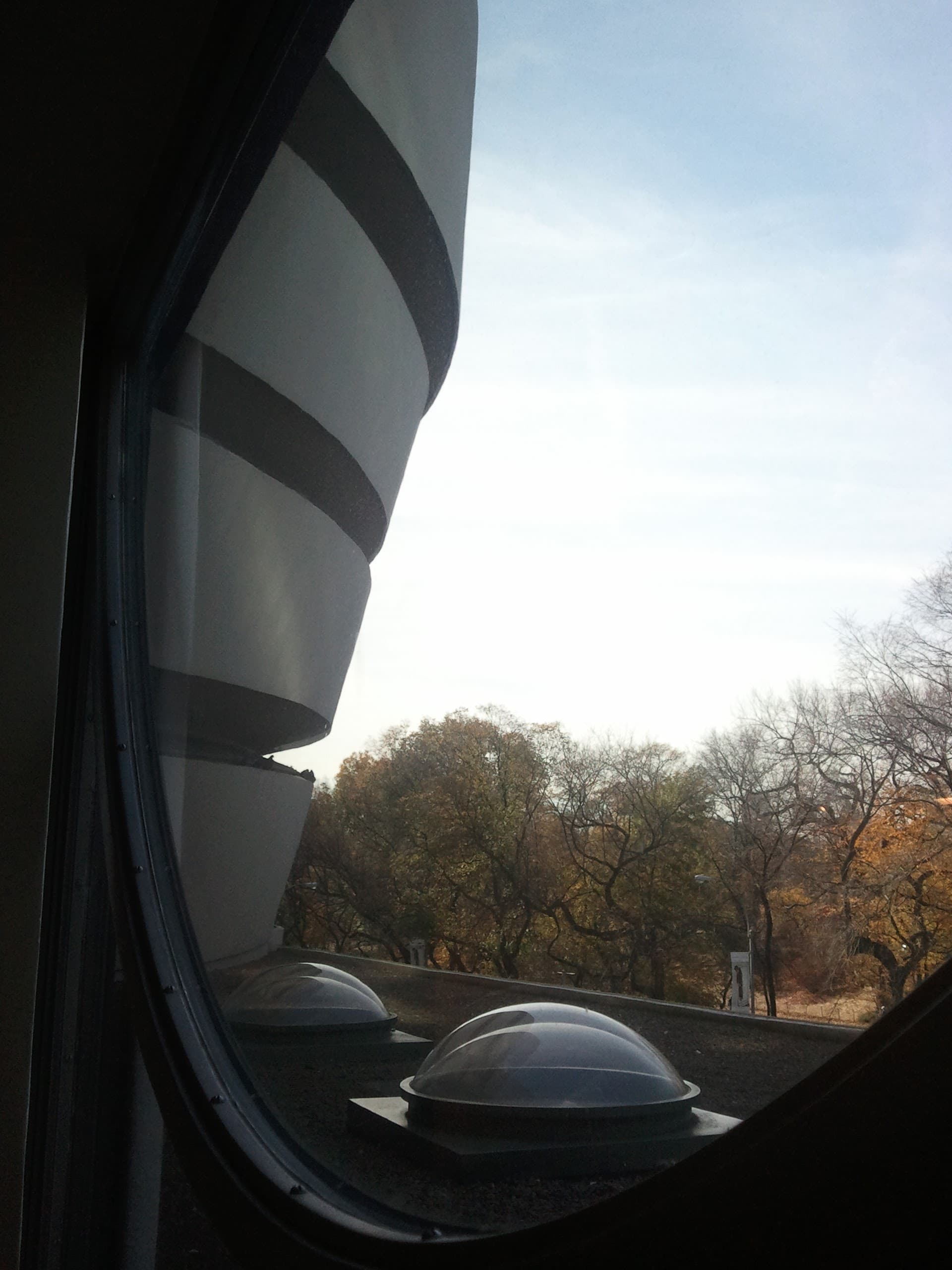
Wright's white spiral, a building that is itself a work of art: visitors ride to the top and wind down a single continuous ramp past the canvases.
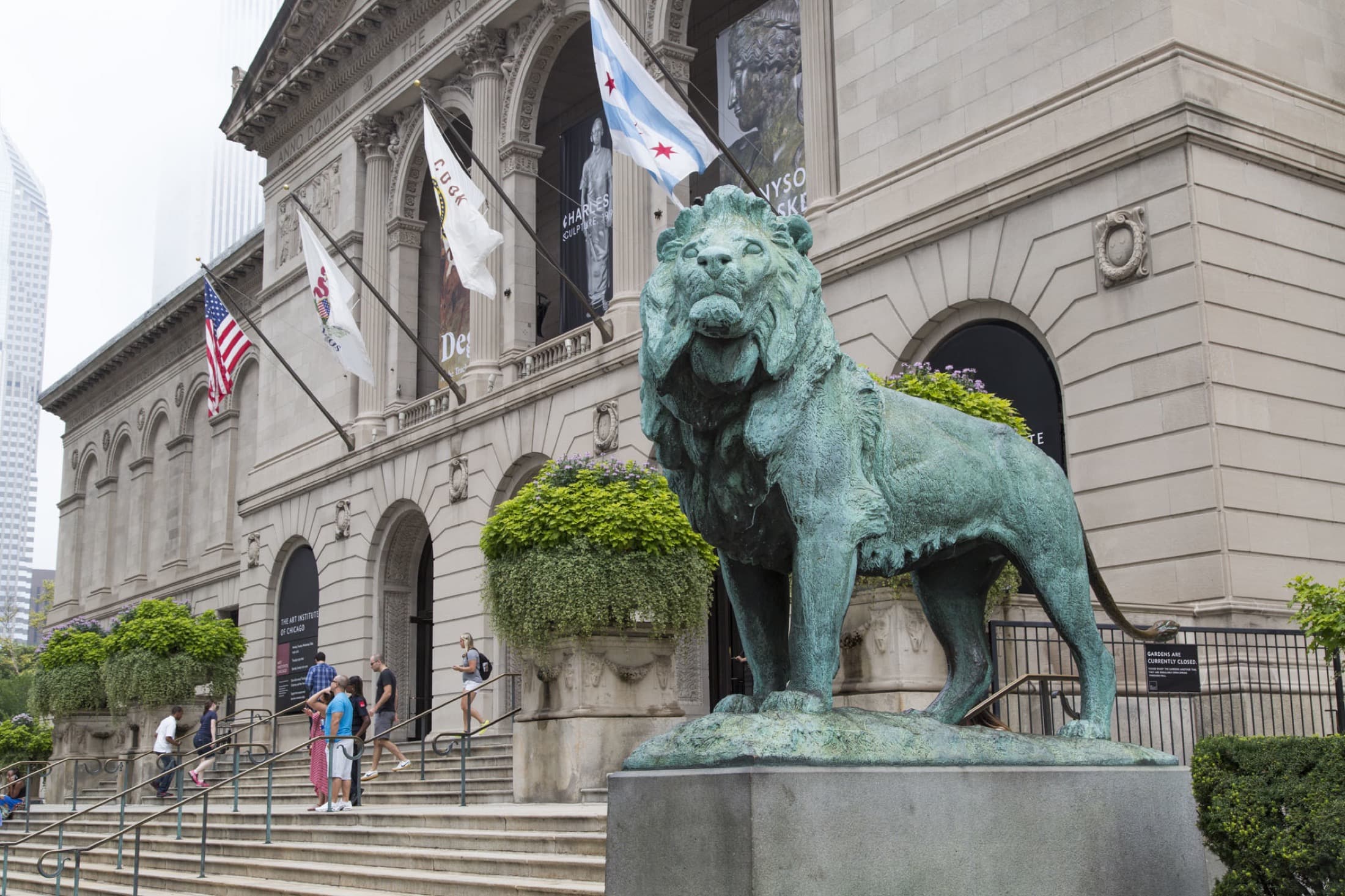
Guarded by its two bronze lions, home to American icons from Hopper's Nighthawks to Wood's American Gothic, and one of the world's great Impressionist collections.
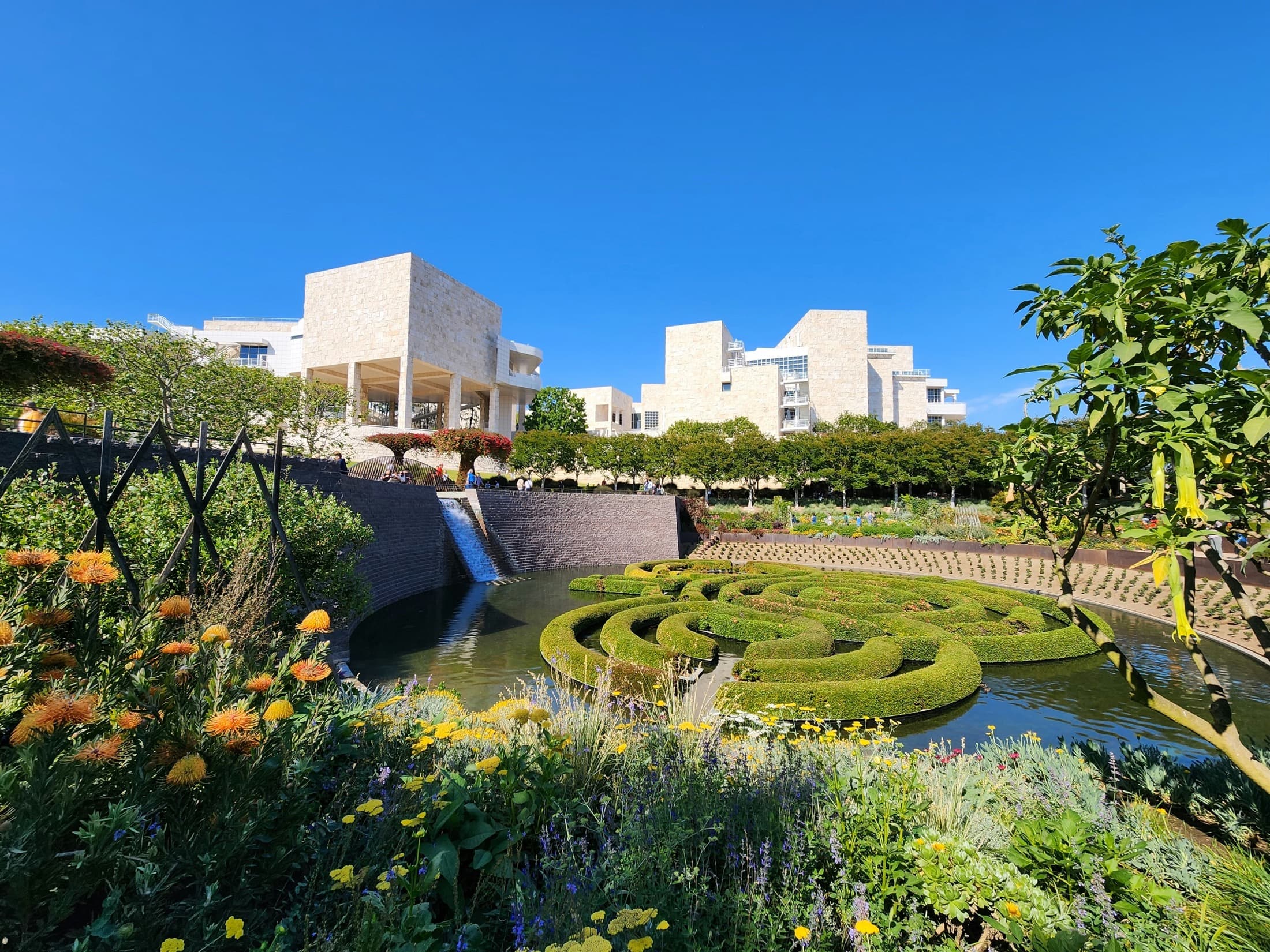
A hilltop campus of travertine and white metal above Los Angeles, funded by an oil fortune into one of the wealthiest arts institutions in the world, and free to all.
The Ask America Oracle
Ask the AI Oracle about James Smithson's bequest, the treasures of the Air and Space Museum, I. M. Pei's East Building, or how the Guggenheim's spiral works.