NATO Shield
Europe
A mature basing network built for reinforcement, deterrence, medical evacuation, and multinational command integration.
ANYWHERE. ANY TIME. 24/7
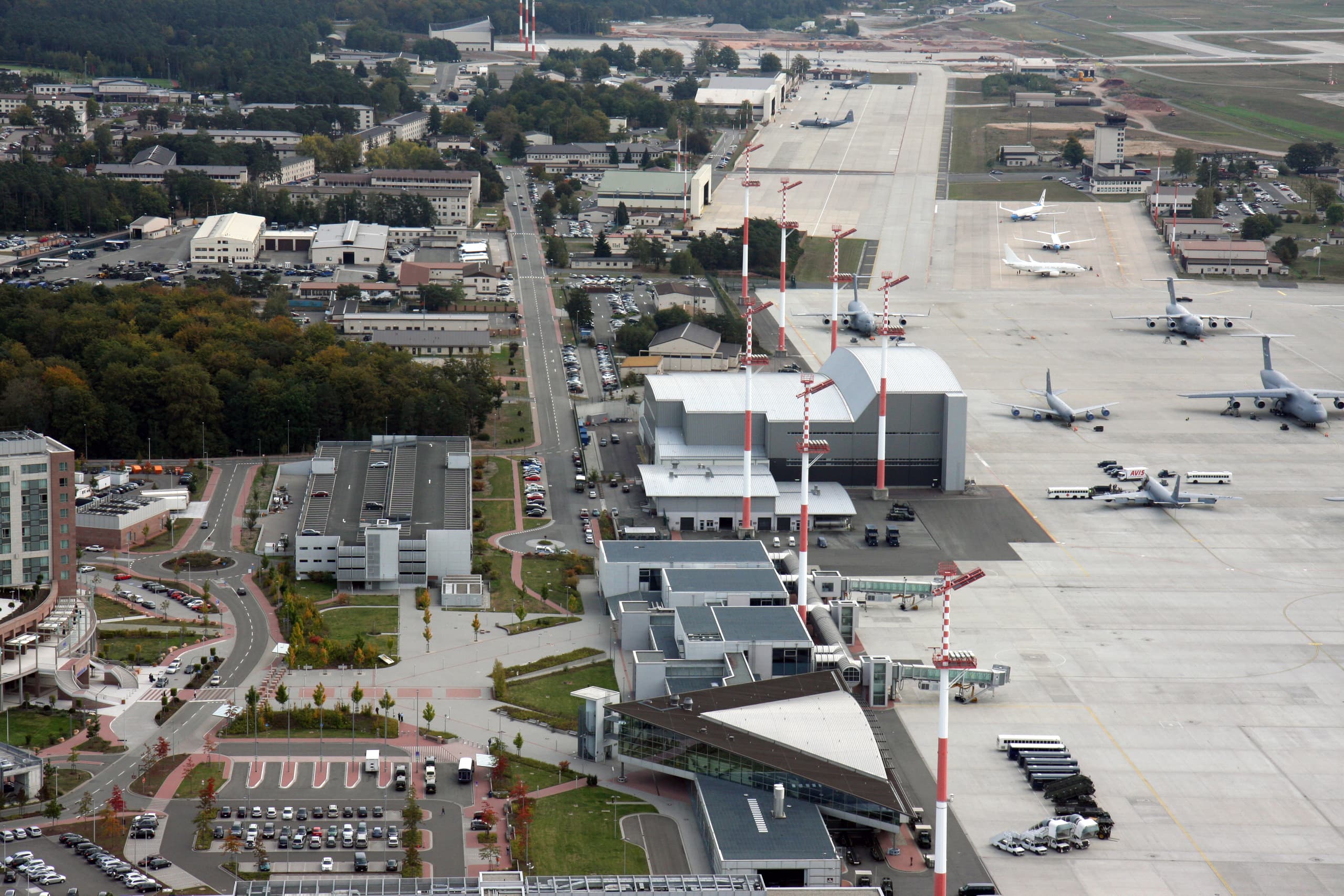
Bases provide pre-positioned time: fuel, ports, runways, communications, hospitals, and repair bays already at the potential point of conflict.
RAMSTEIN · GERMANY: THE EUROPEAN HUB
ANYWHERE ON EARTH. WITHIN 48 HOURS.
Select a theater to review the strategic purpose. Select a white node for the base dossier.
A mature basing network built for reinforcement, deterrence, medical evacuation, and multinational command integration.
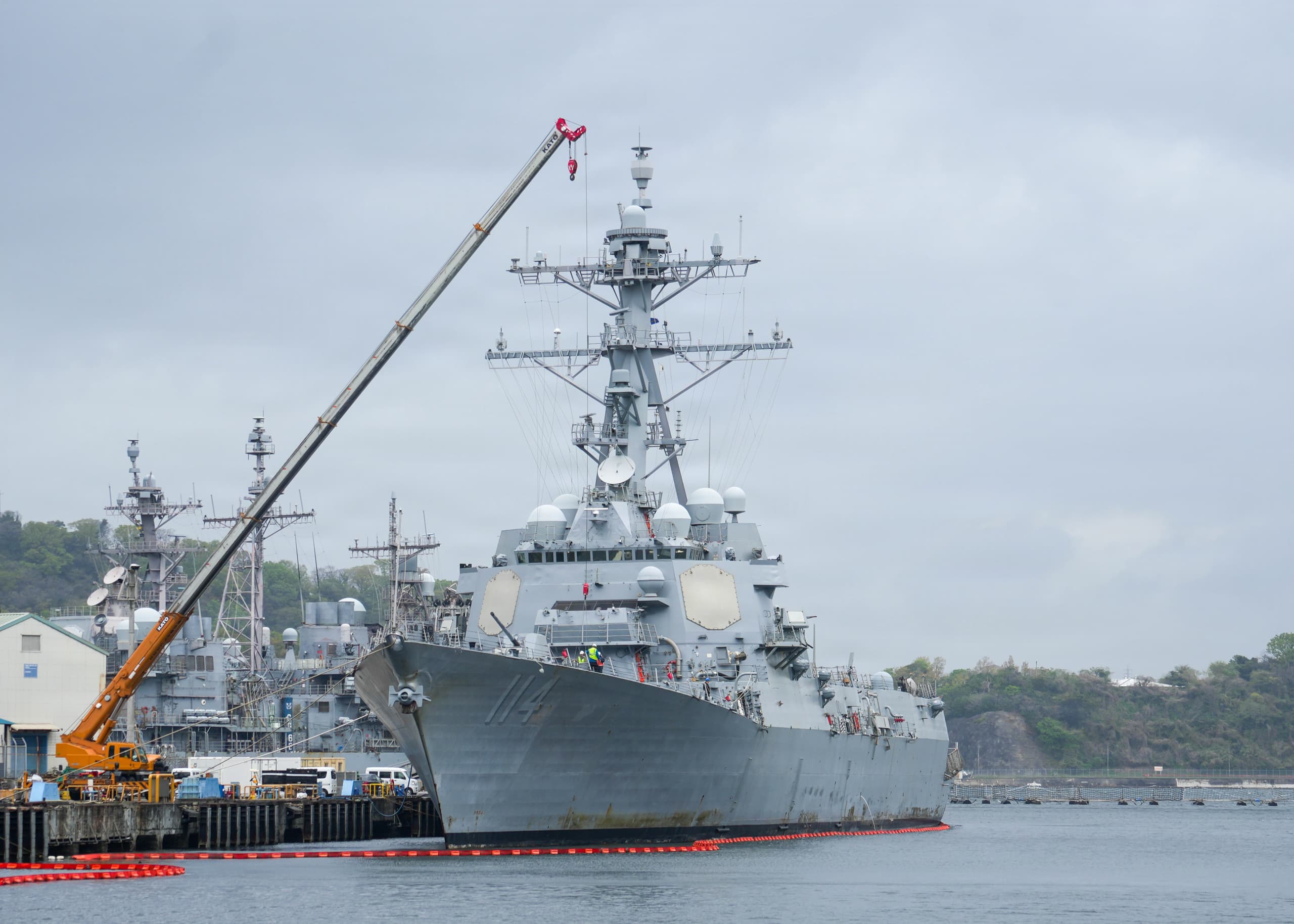
Forward naval and air nodes positioned to reduce response time across the Pacific's extreme distance problem.
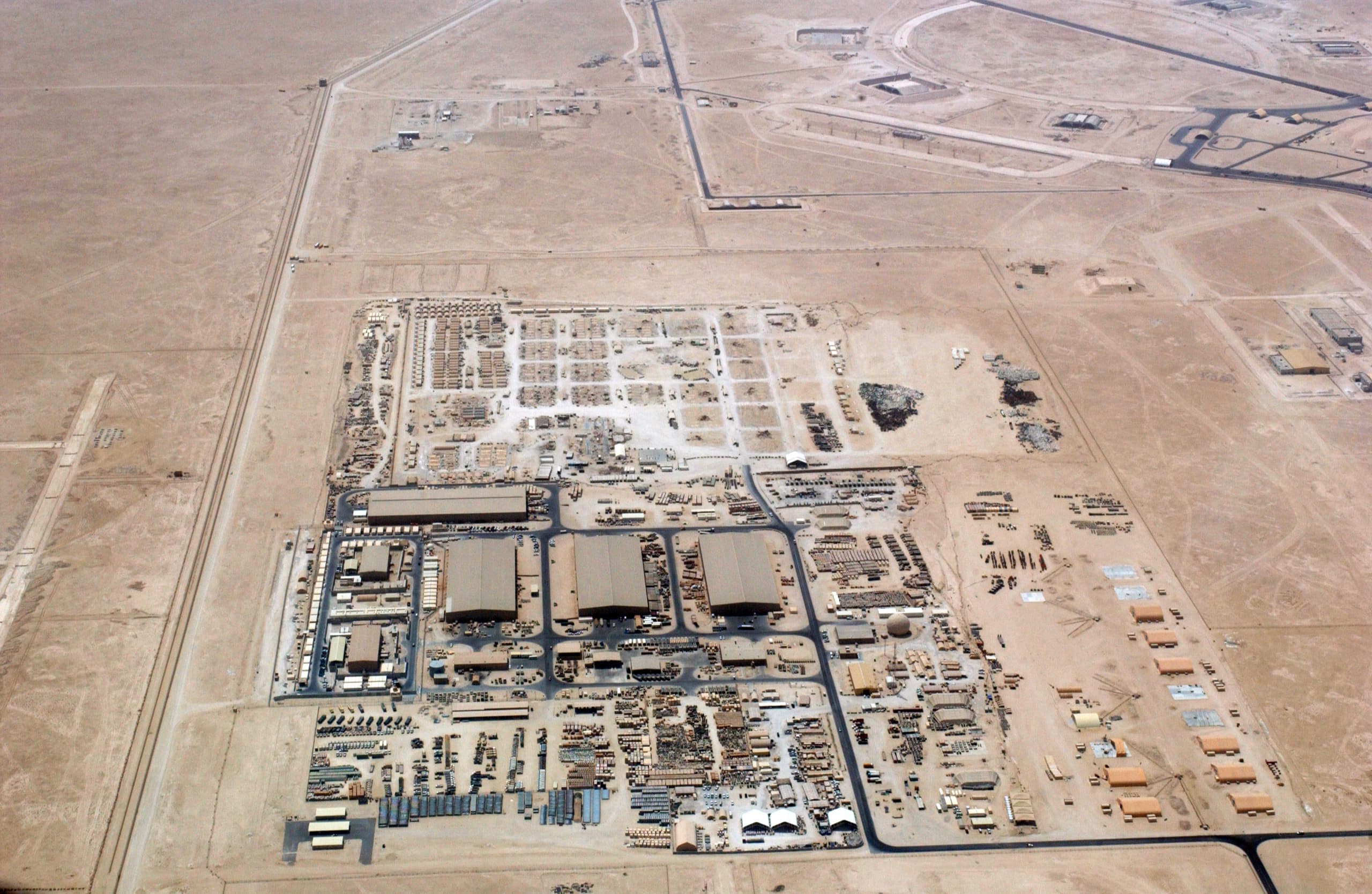
Air command, tanker, ISR, and maritime access points that convert regional volatility into manageable operating geometry.
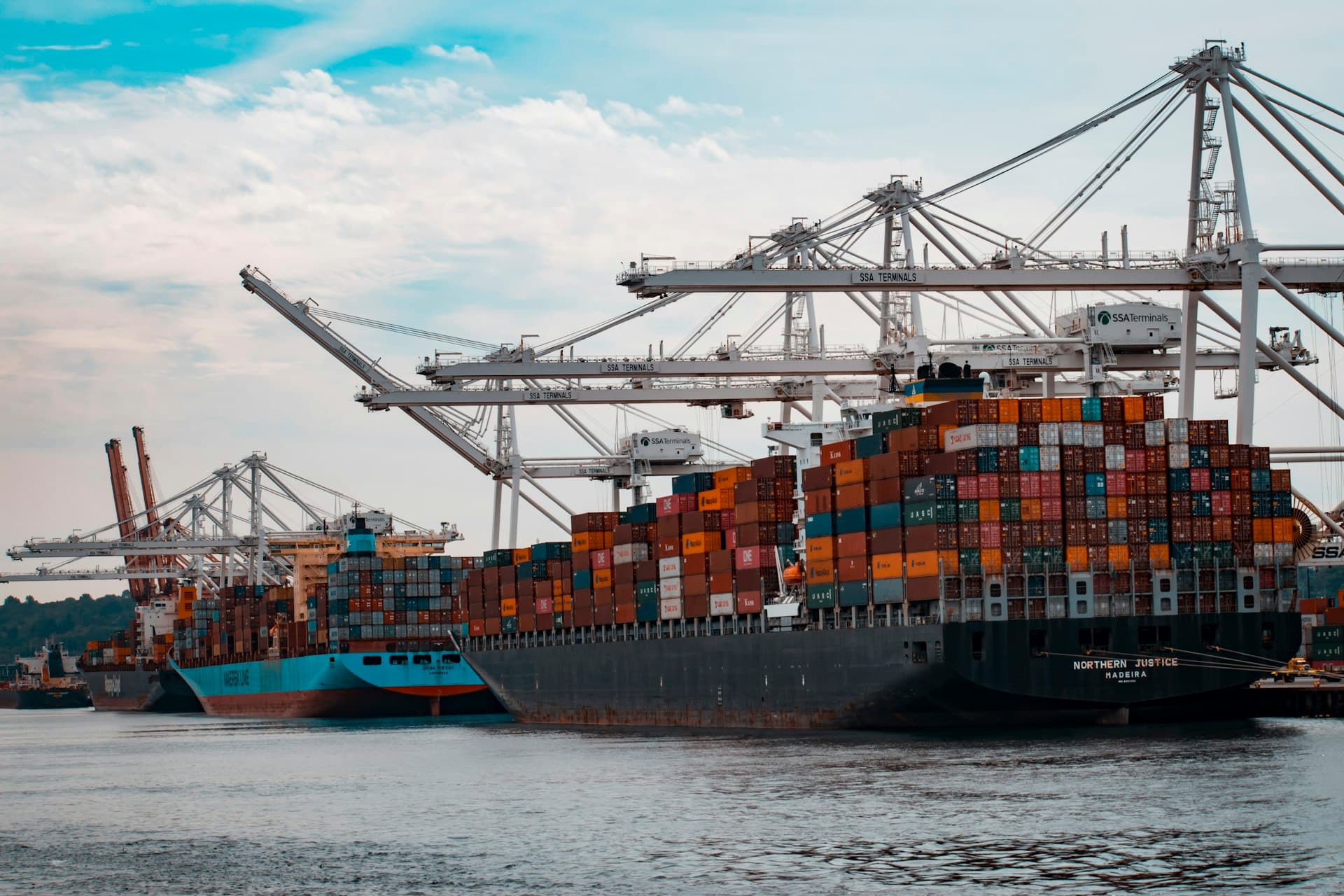
The ports, ramps, stocks, and command systems that move heavy power across oceans faster than rivals can cross land borders.
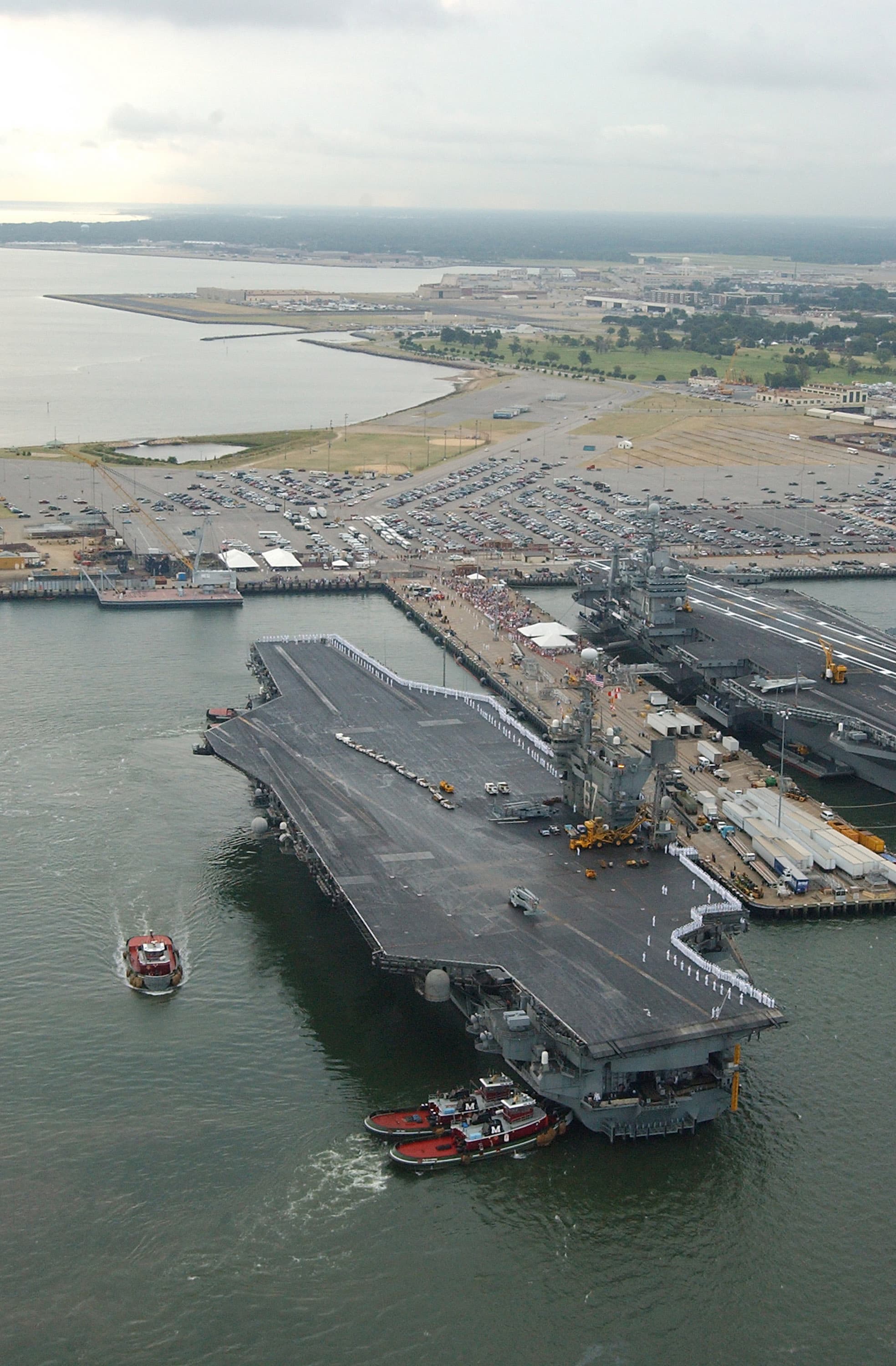
NORFOLK · THE WORLD'S LARGEST NAVAL BASE
A NETWORK NO OTHER NATION CAN MATCH.
While competitors struggle across land borders, the U.S. logistics engine can project an armored brigade or a fully operational hospital across oceans in 72 hours.
A crisis requirement becomes a transport problem: personnel, armor, fuel, medical capacity, munitions, and sustainment are sequenced into a single movement order.
C-17 and C-5 routes move command teams, hospital modules, air-defense equipment, and urgent parts before slower surface lift arrives.
Prepositioned stocks, roll-on/roll-off ships, and port-control teams move the armored mass that cannot be solved by aircraft alone.
Fuel, repair, medical, communications, and ammunition nodes convert arrival into continuing combat power rather than a one-time deployment.
European bases are political commitments made physical: airfields, ports, and command structures that prove Article 5 can be reinforced quickly.
U.S.-Japan basing keeps Seventh Fleet and Pacific airpower inside the operating theater, changing the timing calculus for any regional aggressor.
Combined U.S.-ROK infrastructure keeps deterrence immediate, visible, and logistically executable on the world's most militarized border.
Australian access expands dispersal options, training depth, submarine cooperation, and long-range sustainment across the southern Indo-Pacific.
Gulf access supports air operations, maritime security, and crisis response near energy corridors that still shape global economic stability.
The continental force-generation and logistics foundation. Search across hundreds of active CONUS facilities.
Headquarters of the United States Department of Defense and the central command node for the U.S. Armed Forces.
Premier staging hub for Pacific Air Forces and Army airborne units, offering rapid deployment across the Indo-Pacific and Arctic.
Historic deep-water naval base and aviation hub serving as the central nervous system for Pacific Fleet and Pacific Air Forces.
The DoD’s only tri-service joint base, specializing in global mobility, rapid deployment, and advanced aviation engineering.
Massive logistics and airlift node responsible for sustaining global operations and moving heavy armor via sealift.
The largest joint base in the DoD, acting as the epicenter for military medical training and Air Force basic training.
Home to Air Combat Command and Army transportation and aviation logistics training.
Critical sovereign forward-staging area in the Pacific, combining naval port facilities, Marine bases, and heavy bomber ramps.
Provides base operations support for the National Capital Region and Arlington National Cemetery.
The major operating base for Navy expeditionary and amphibious forces on the East Coast.
The premier military installation on the West Coast, enabling rapid Army and Air Force power projection into the Pacific.
Provides crucial administrative, intelligence, and ceremonial support functions directly to the capital.
The forward network of facilities, radar stations, logistics nodes, and access agreements across six continents.
A highly classified node in the ECHELON global surveillance network, providing critical signals intelligence (SIGINT) across the Indo-Pacific.
Provides extremely low frequency (ELF) radio transmissions, enabling secure communication with submerged U.S. and allied nuclear submarines.
A remote and secretive satellite tracking facility jointly run by the CIA, NSA, and Australian intelligence, essential for global missile warning.
Hosts the Marine Rotational Force-Darwin, projecting expeditionary amphibious power deep into the southern Indo-Pacific.
The Navy’s premier underwater testing facility, evaluating advanced torpedoes, acoustics, and anti-submarine warfare tactics in the "Tongue of the Ocean."
The command anchor for the U.S. Fifth Fleet, securing the Persian Gulf, monitoring Iranian naval activity, and protecting vital energy chokepoints.
Crucial logistics and aviation hub providing direct, rapid support to the Supreme Headquarters Allied Powers Europe (SHAPE).
A highly modernized forward training area for U.S. armored brigades deployed to reinforce NATO’s eastern flank.
A vital fighter staging base securing the Black Sea region and supporting NATO air policing missions.
A forward drone operating base conducting vital intelligence, surveillance, and counter-terrorism missions across West and Central Africa.
Essential subterranean NORAD aerospace control center, monitoring northern approaches for strategic bomber or missile threats.
The oldest overseas U.S. naval base, providing persistent, untouchable maritime access to the Caribbean and the Windward Passage.
A network of runways, ports, stocks, sensors, and partnerships that turns American power from potential into presence.