THE DREAMFACTORY
Hollywood generated the visual syntax for human dreaming. Netflix, Disney, and YouTube now dictate global screen time — entirely outside state control.
“Hollywood exported the subconscious desires of the world, turning local American dreams into a planetary vocabulary.”
Cinema is America's ultimate soft power engine. Long before they ever encounter an American in person, teenagers from Bucharest to Bangalore grow up dreaming of the palm trees of Los Angeles, the skylines of New York, and the highways of the American West. This planetary draw operates as a market-driven force, independent of state projects. US films routinely capture over 70% of global box office revenues, and the Academy Awards are broadcast to a global audience of over 200 countries. By building the definitive narrative grammar of the feature film, Hollywood created a global mirror: a universal language of hope, struggle, and heroism that the world freely chose to adopt.
A single company like Netflix spends over $15 billion annually on content — a figure that dwarfs the entire cultural budgets of most European nations combined.
THE FILM OF AMERICA · 1920–PRESENT
THE CINEMATIC EPOCHS
How free competition and technical risk-taking reshaped the planet's narrative forms.
 01
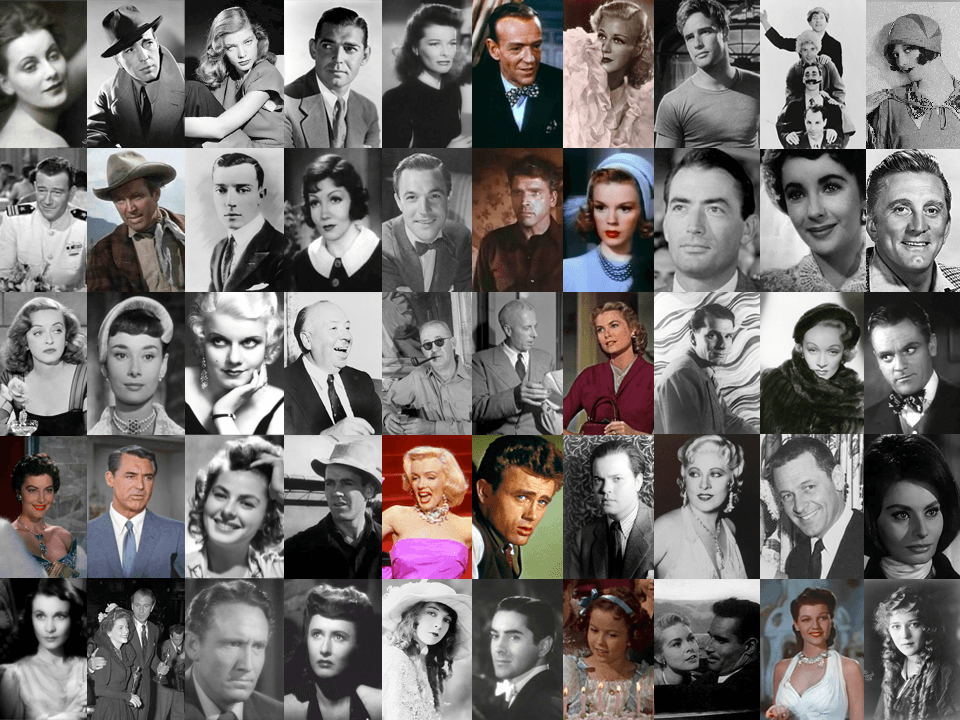
01The Studio System & Continuity
Developed during the rise of Los Angeles' major studios, this era established the fundamental grammatical rules of cinema. The principle of invisible editing constructed a seamless continuity of space and time, pulling audiences into narratives without notice.
Industrial & Artistic Breakthroughs
“Cinema is not a slice of life, it's a piece of cake.”
Alfred Hitchcock
.jpg&w=2560&q=75) 02
02Auteurs & Deconstructed Myths
With the collapse of the old censorship code, a new wave of film-school educated directors took creative control. Inspired by European modernism, they deconstructed classic genres, replacing idealized heroes with complex, morally gray anti-heroes set in gritty realism.
Industrial & Artistic Breakthroughs
“The most businesslike thing you can do in art is to follow your own intuition.”
Francis Ford Coppola
 03
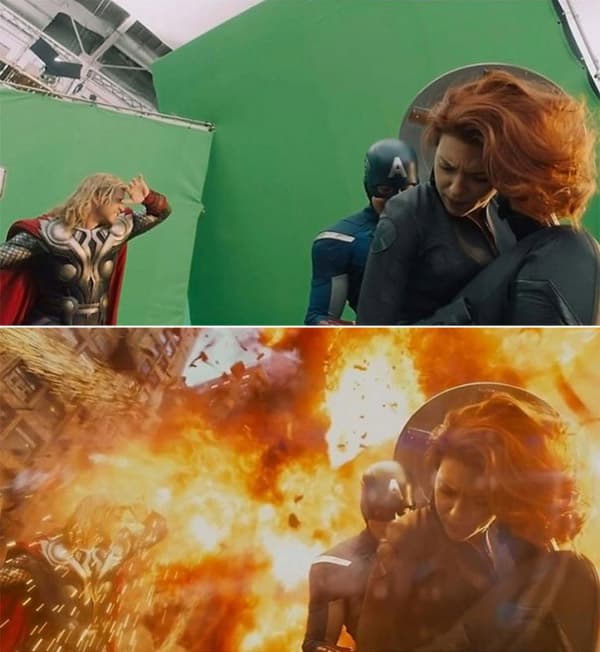
03High-Concept Spectacle & CGI
Pivoting with Jaws and Star Wars, Hollywood mastered the global event movie. Narratives were built around clear, 'high-concept' premises easily pitched in a single sentence, while computer-generated imagery (CGI) turned screens into spaces of limitless sensory fantasy.
Industrial & Artistic Breakthroughs
“Every time I go to a movie, it's magic, no matter what the movie's about.”
Steven Spielberg
THE VISUAL SYNTAX
HOW THE PLANET DREAMS
The grammatical structures Hollywood standardized into a universal currency of attention.
Parallel Editing
Showing two separate actions in different locations simultaneously. This early grammatical invention allowed Hollywood to engineer supreme suspense, establishing the fundamental pacing of thrillers and action sequences.
The Hero's Journey
Structuring screenplays around Joseph Campbell's universal mythological stages (Departure, Initiation, Return). This structural blueprint gives movies intuitive emotional resonance across all human cultures.
The Musical Leitmotif
Assigning specific orchestral signatures to characters, themes, or objects. Adapted from Wagnerian opera, this system guides the viewer's subconscious, creating instant auditory recognition.
High-Concept Narrative
Designing movies around a hook so simple and highly visual it can be fully pitched in a single sentence. This streamlines cross-border distribution and eliminates semantic barriers for global crowds.
THE LEGENDARY AUTEURS
The visionary directors who shaped the global collective subconscious through distinct artistic signatures.
Steven Spielberg
The defining director of modern cinema. Spielberg masterminded the summer blockbuster template, blending massive technical scale with deep human empathy, childhood wonder, and historic drama.
Martin Scorsese
The chronicler of urban anxiety and the American underworld. Scorsese explores guilt, greed, redemption, and Italian-American identity through hyper-kinetic camerawork and high-tempo editing.
Stanley Kubrick
The perfectionist philosopher of the frame. Kubrick pushed optical and technical boundaries to their limits, presenting symmetrical, cerebral investigations into human nature, madness, and technology.
Francis Ford Coppola
The creative titan of 1970s artistic independence. Coppola reinvented the family epic and the mythology of American violence through grand, operatic dramas defined by theatrical aesthetic scale.
Alfred Hitchcock
The director who turned the camera lens into a mechanism of pure anxiety control. Hitchcock formalized the rules of suspense, transforming voyeurism and paranoia into high art.
ANATOMY OF A FRAME
How directors communicate subconscious ideas through optical scale, angles, and geometry.
The Wide Horizon
Framing a human subject as a tiny spec against a massive environment. This scale matches the physical geography of the American continent, representing both boundless individual freedom and absolute isolation.
The Dutch Angle
Tilting the camera's horizontal axis to create an unbalanced frame. This angle communicates mental disorientation, paranoia, fear, and the structural collapse of a character's reality.
The Dolly Zoom
Moving the camera physically while zooming the lens in the opposite direction. The subject stays static while the background perspective rapidly expands or compresses, mimicking an internal panic attack.
The Low-Angle Hero Shot
Placing the camera low to the ground and tilting upward toward a subject. This forces the audience to physically look up, inducing subconscious feelings of authority, power, danger, or mythic status.
“It's kind of fun to do the impossible.”
Walt DisneyTHE POSTER VAULT
Click any theatrical poster to analyze the technical and storytelling breakthrough behind the masterpiece.
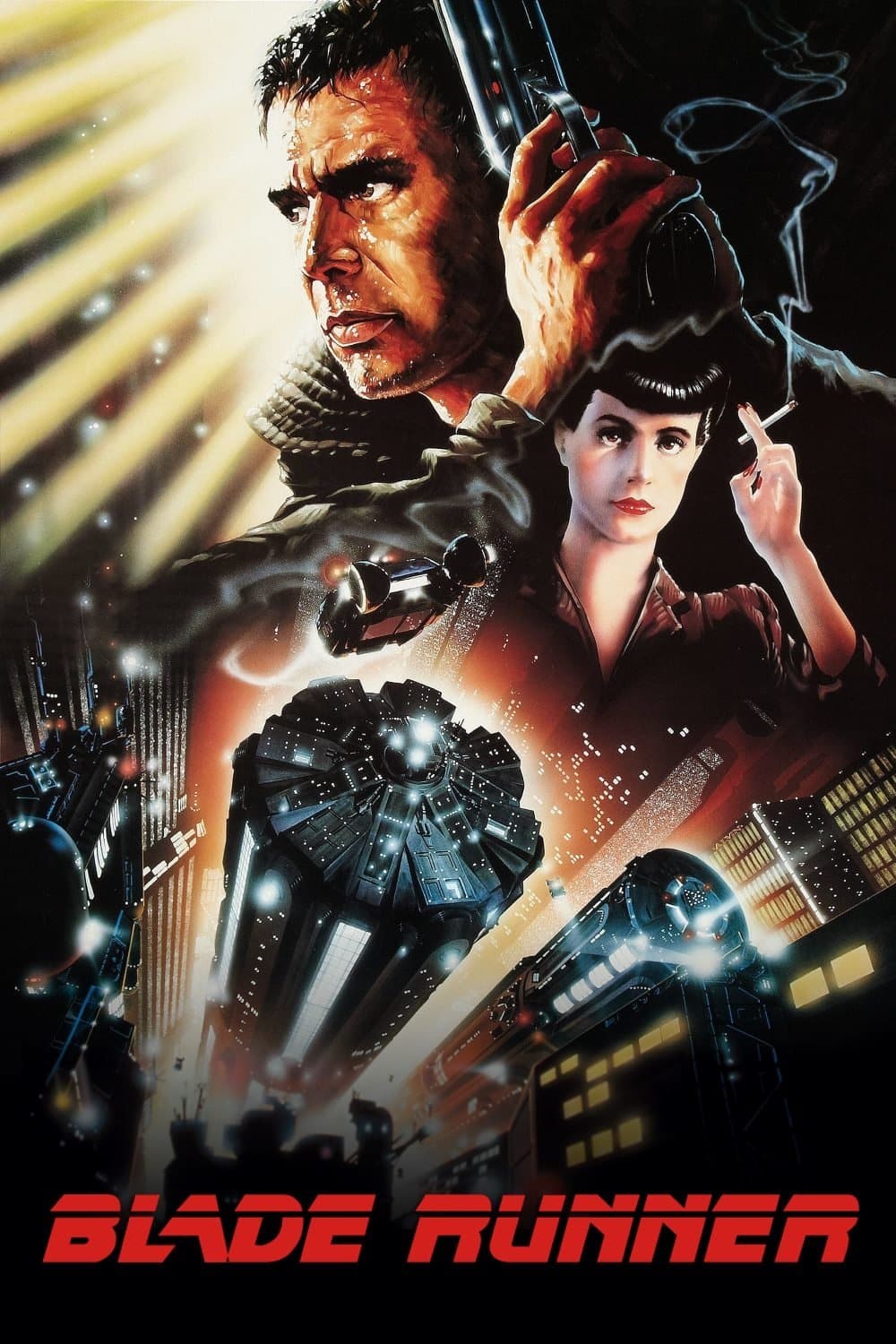
Blade Runner 1982 Cinematic Neo Noir Poster
Ridley Scott · 1982
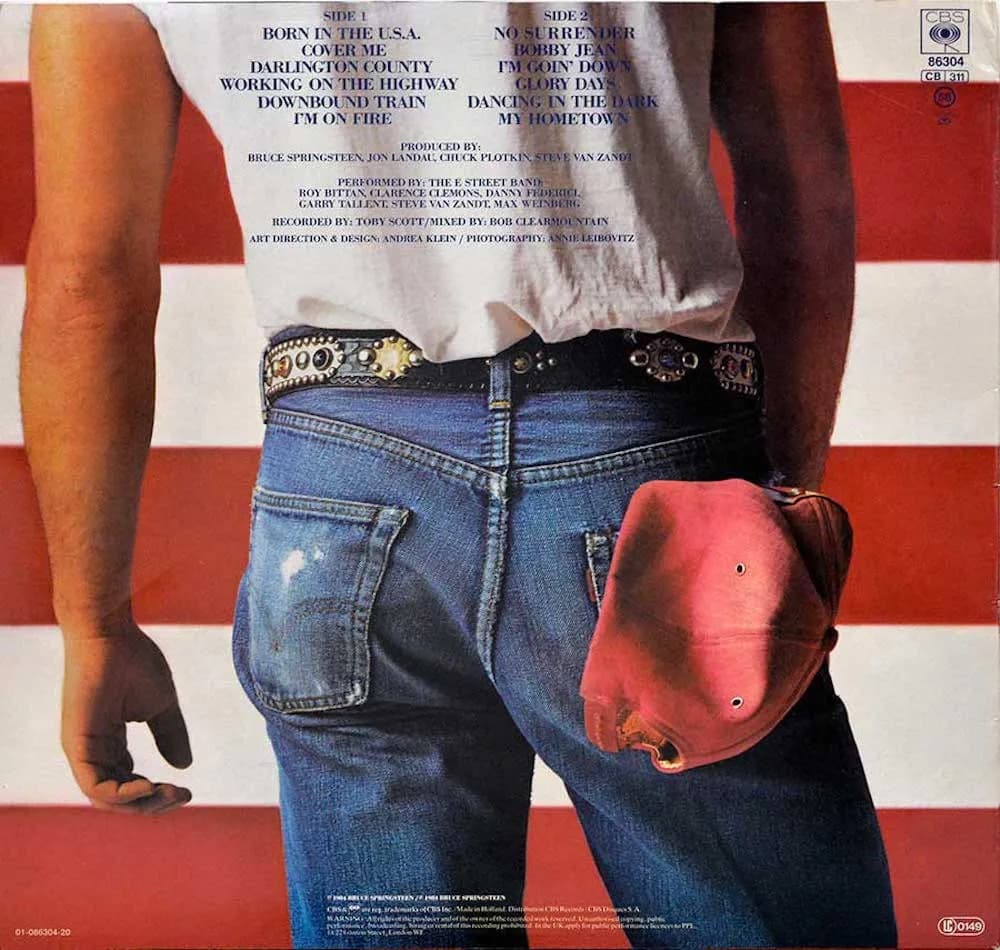
Bruce Springsteen Born In The U.S.A. 1984 Denim Flag Cover
Hollywood Director · Classic
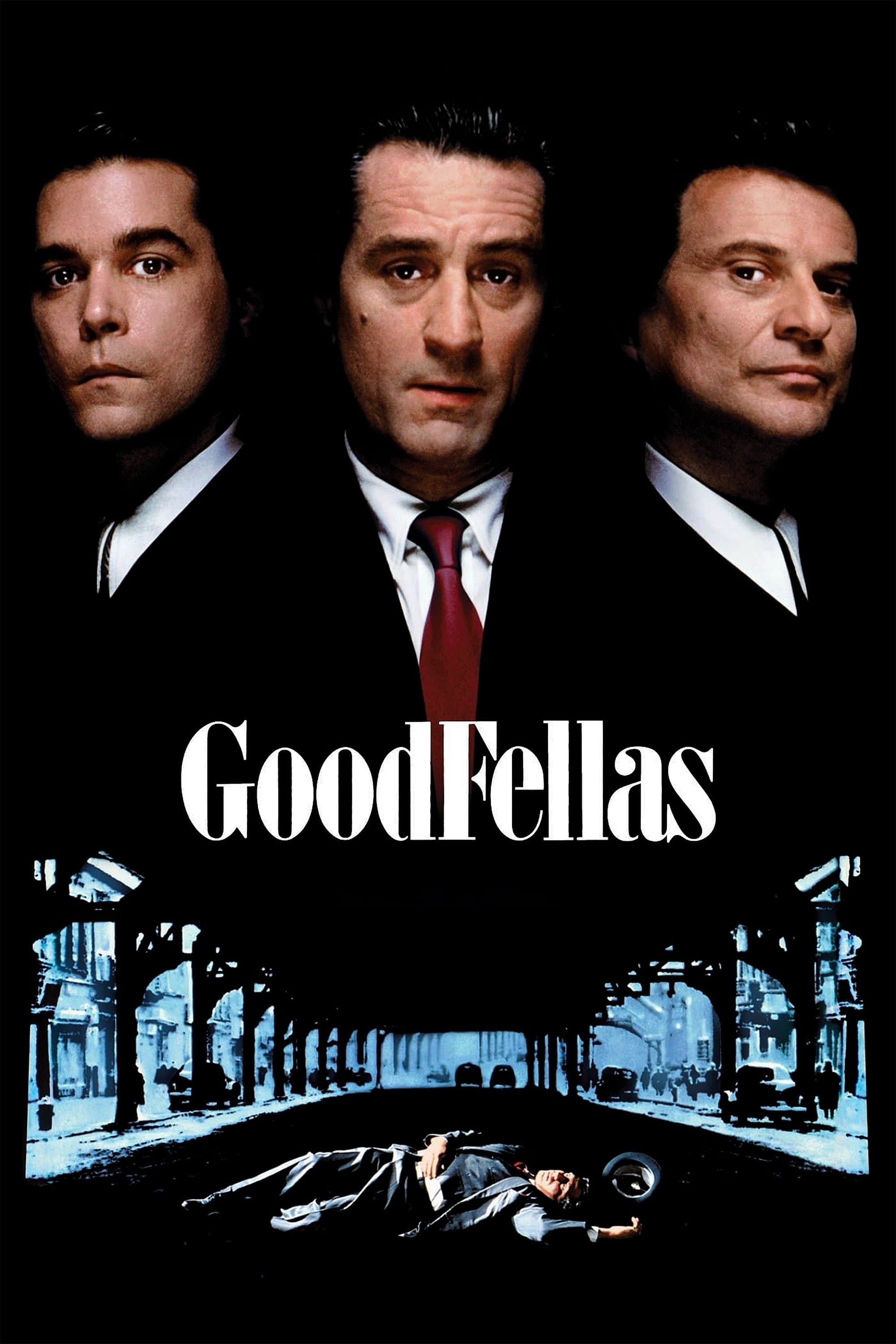
Goodfellas 1990 Classic Scorsese High Contrast Font Poster
Martin Scorsese · 1990

Interstellar 2014 Cinematic IMAX Ice Planet Poster
Christopher Nolan · 2014
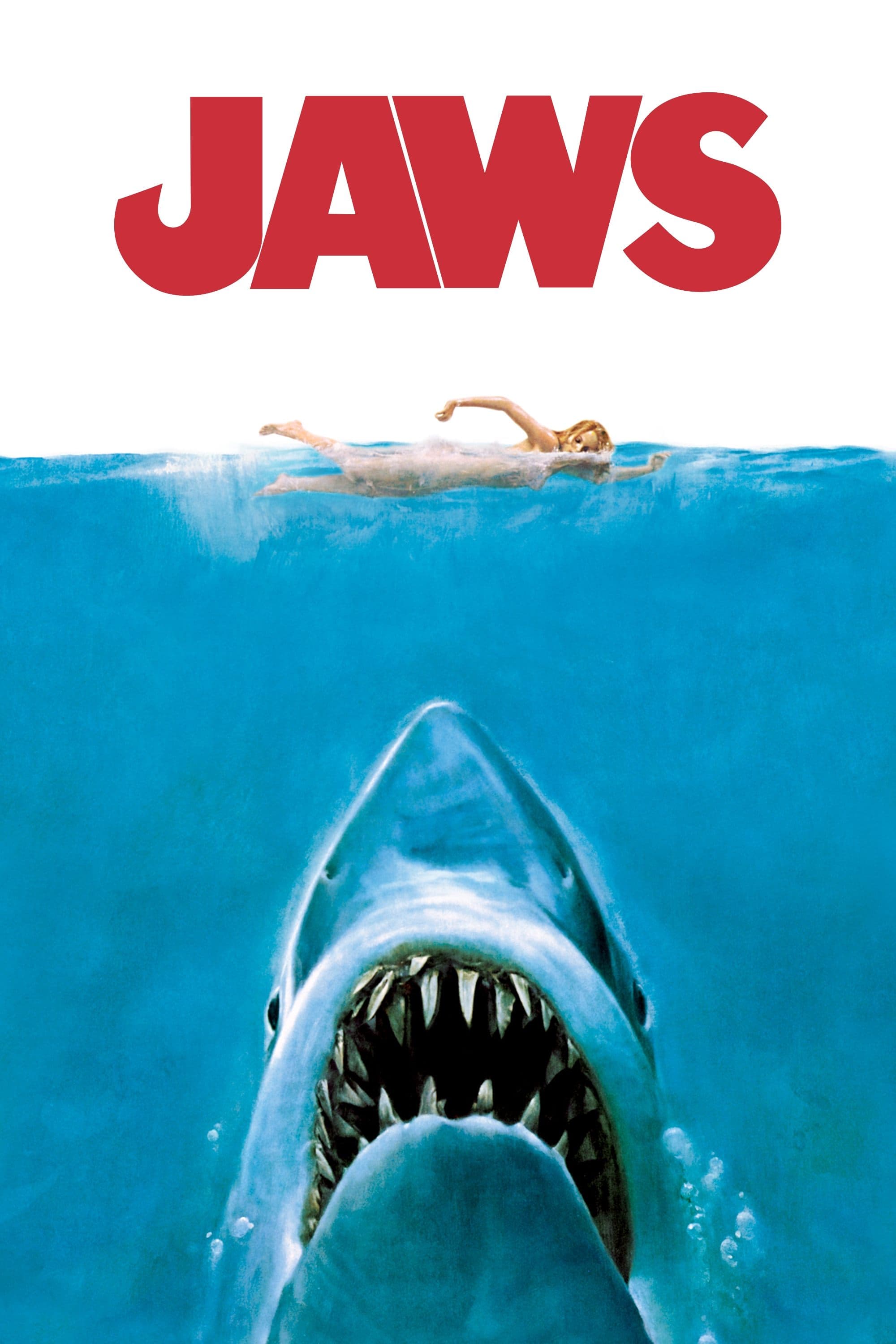
Jaws 1975 Minimalist Shark Composition Poster
Hollywood Director · Classic
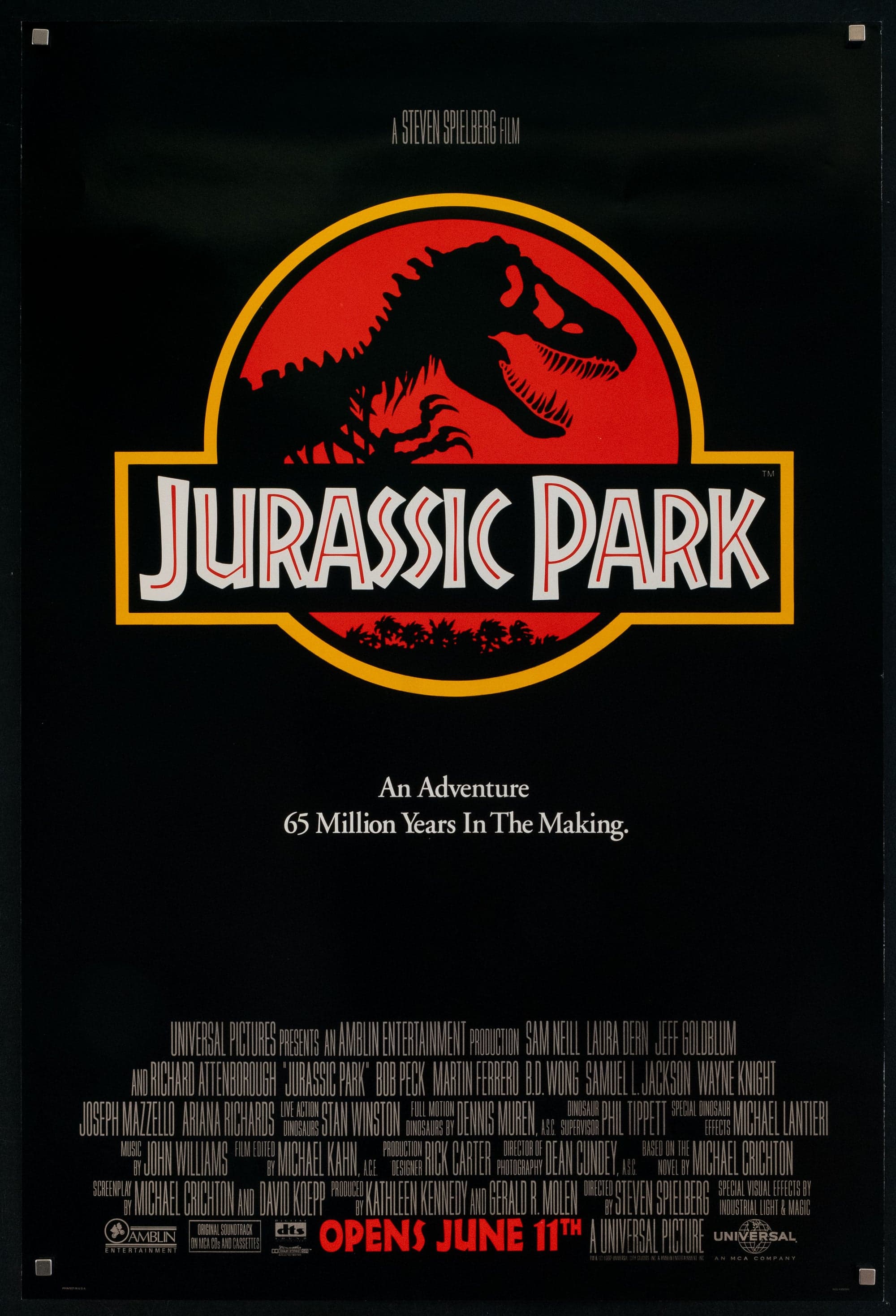
Jurassic Park 1993 Iconic T Rex Silhouette Poster
Hollywood Director · Classic
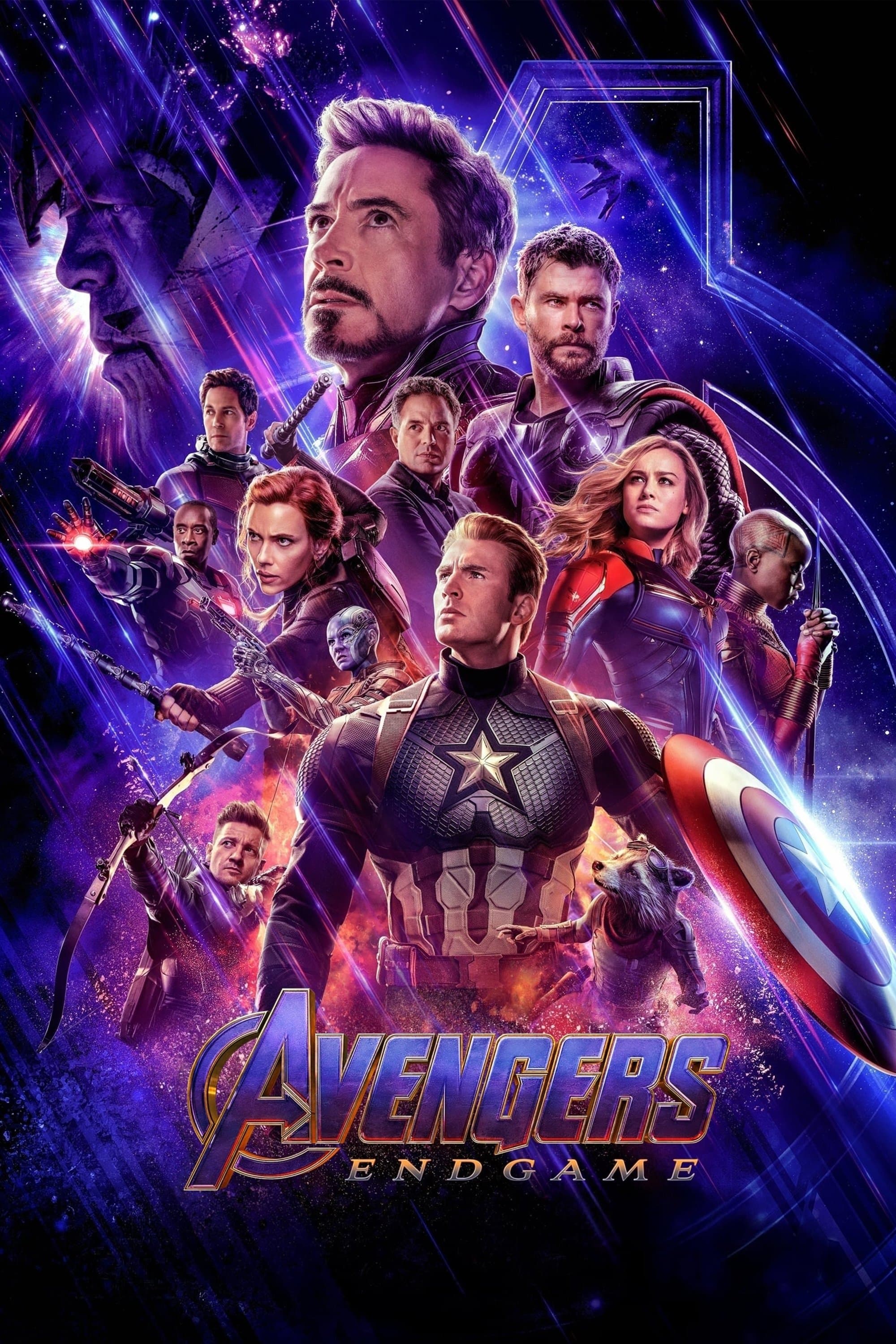
Marvel Avengers Endgame Cinematic Theatrical Poster
Anthony & Joe Russo · 2019

Pulp Fiction 1994 Vintage Editorial Style Poster
Hollywood Director · Classic

Saving Private Ryan 1998 Gritty Military Cinematic Poster
Steven Spielberg · 1998
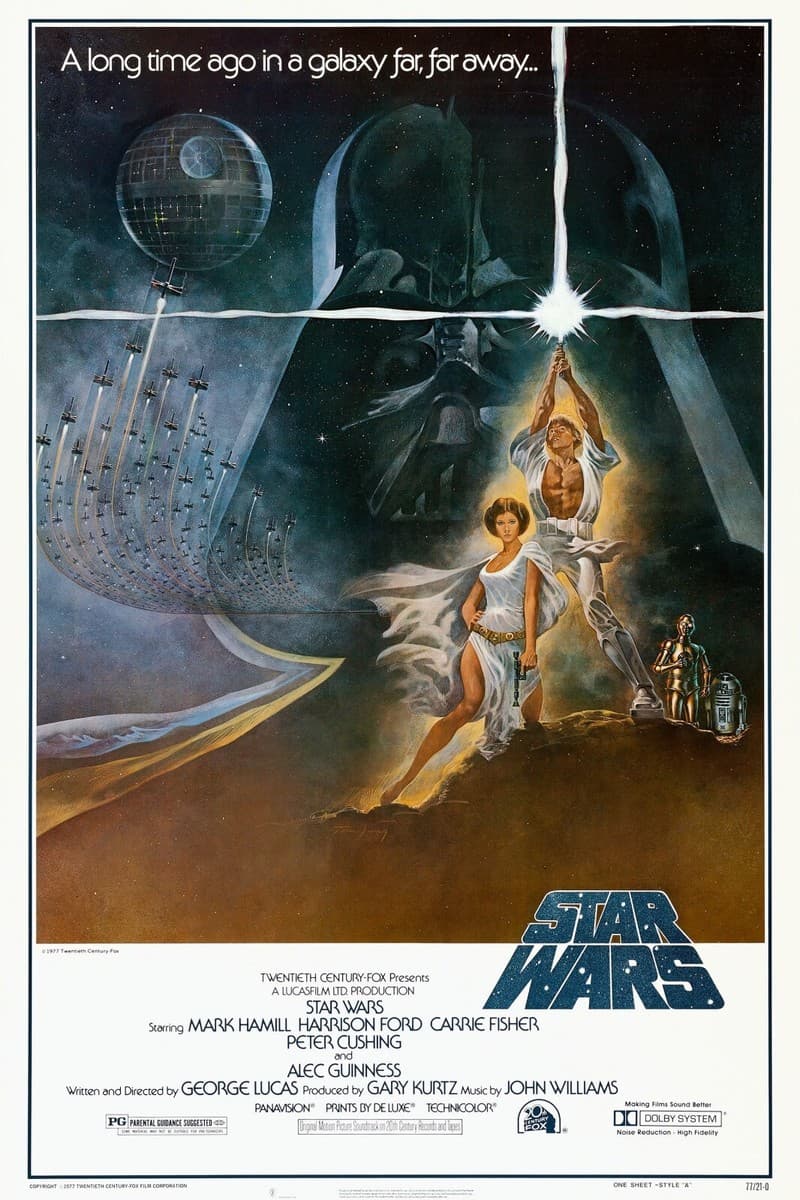
Star Wars Episode IV A New Hope Original 1977 Poster
Hollywood Director · Classic

The Dark Knight 2008 High Contrast Batman Skyline Poster
Christopher Nolan · 2008
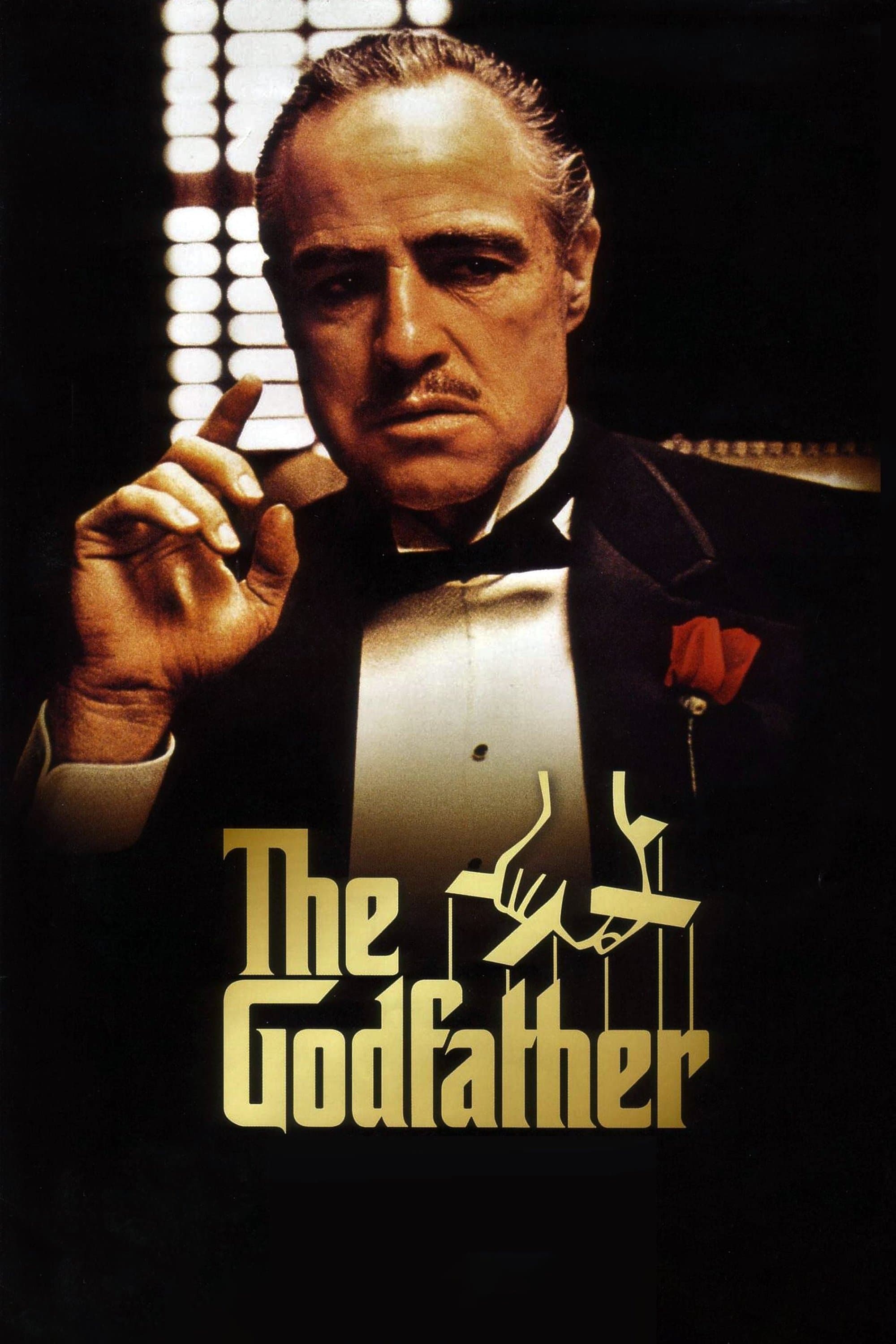
The Godfather 1972 Classic Puppet Strings Poster
Hollywood Director · Classic
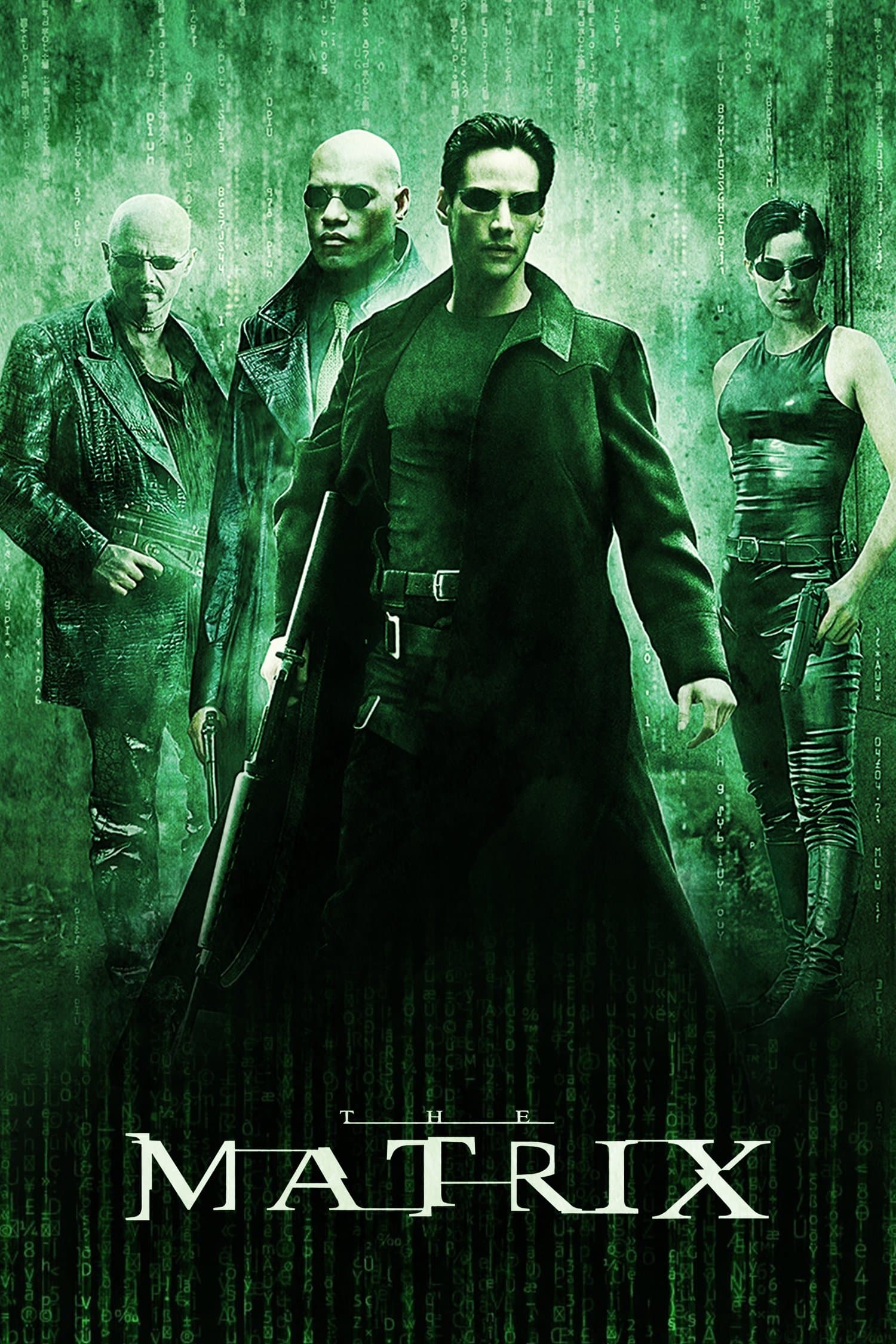
The Matrix 1999 Green Digital Rain Matrix Poster
Lana & Lilly Wachowski · 1999
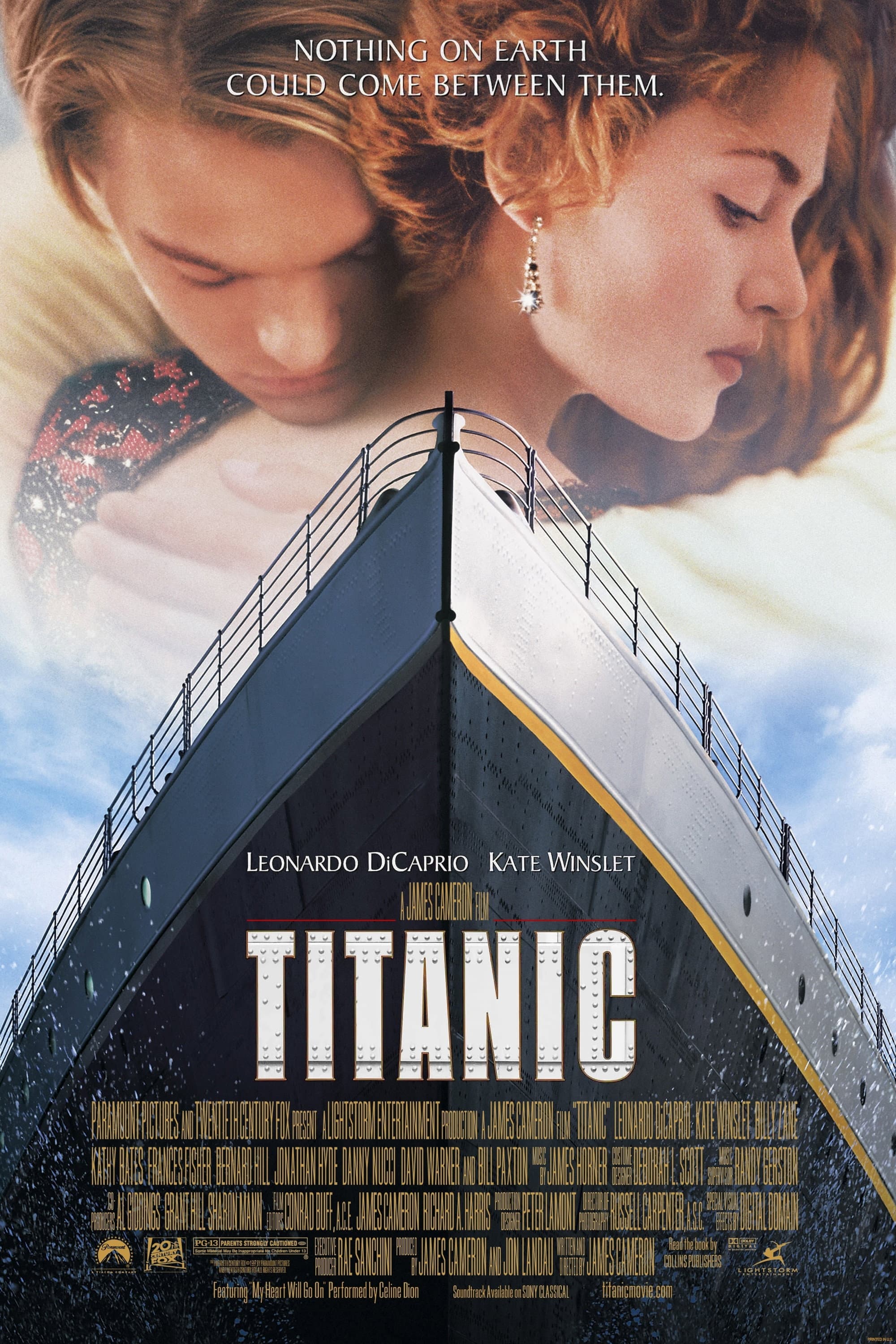
Titanic 1997 Classic Cinematic Epic Promotional Poster
James Cameron · 1997
STREAMING DOMINANCE
THE ATTENTION PLATFORMS
Netflix
260M+
Global Subscribers
Content in 45 languages, 190 countries. The world's largest exporter of narrative.
YouTube
2.7B
Monthly Users
Humanity's video platform — built, funded, and engineered in Silicon Valley.
Disney+
150M+
Subscribers
Marvel, Star Wars, Pixar, National Geographic — American IP globalized at scale.
EXPERIENTIAL ENTERTAINMENT
The Theme Park Industrial Complex
North America dominates the global theme park market with approximately 37% revenue share in 2025. It is American cultural IP — Marvel, Star Wars, Pixar — built into physical, experiential reality at premium prices.
Disney's 12 parks alone capture over 34% of global theme park attendance — 140 million visitors annually. Central Florida recorded 75 million visitors in 2024 generating nearly $95 billion in total economic impact.
37%
Global Market Share
75M
Florida Visitors
$95B
Orlando Economic Impact

AMERICANS WHO CHANGED THE WORLD
American Icons
MUSIC ARCHIVE · DEFINING ALBUMS
The Sound of America
ICONIC MAGAZINE ARCHIVE
CULTURAL EVOLUTION
The American Eras
VIDEO GAMES · THE $200B INDUSTRY
America Invented The Game
Atari, Xbox, PlayStation, Nintendo of America — the global video game industry was built on American code. Asteroids (1979) and Pac-Man (1980) turned arcades into mass culture. Today, gaming surpasses Hollywood and music combined.
$200B+
Industry Value
3.2B
Global Gamers
1972
Atari Founded
The Ask America Oracle
Ask the AI Oracle about Hollywood's cinematic epochs, Netflix's global reach, Disney's theme park empire, legendary directors, or how American storytelling became the world's shared dream language.