AMERICAN SPORTS& TRADITION
The NFL, NBA, MLB, and college football, American sports culture is a massive soft-power export and a uniquely American institution.
“The NFL, NBA, MLB, and college football, American sports culture is a massive soft-power export and a uniquely American institution.”
From the Super Bowl's 100+ million domestic viewers to basketball's global cultural footprint, sports define the American collective ritual. It is a private ecosystem, four major leagues, the NCAA pipeline, and the single most-watched broadcast on Earth, that no state-run sports apparatus has ever matched.
THE PILLARS OF AMERICAN SPORT
SPORT & IDENTITY
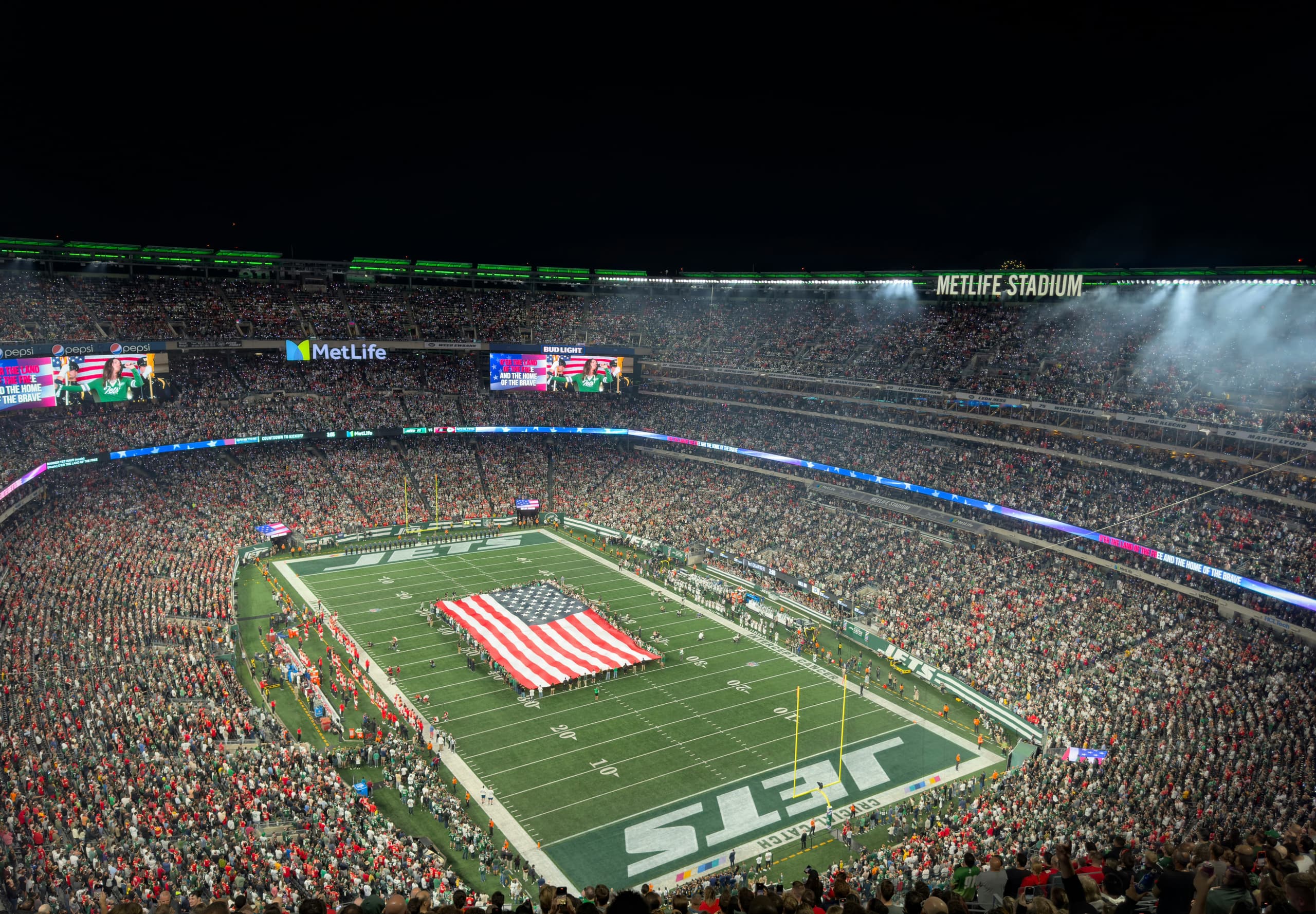
The NFL & The Super Bowl
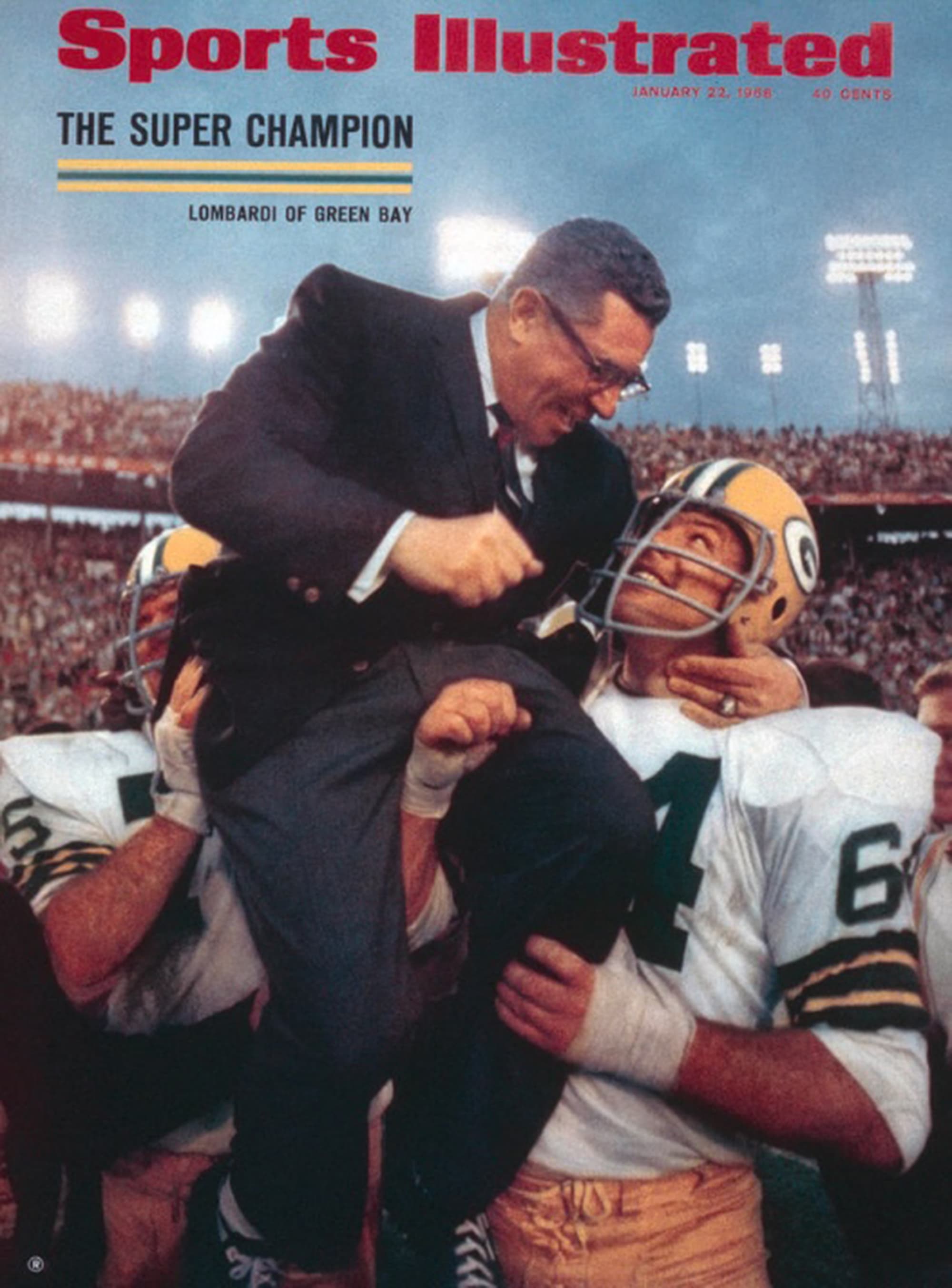
A de facto national holiday in the United States. The Super Bowl gathers over 100 million domestic viewers, merging elite athleticism with iconic advertising campaigns and world-renowned halftime shows.
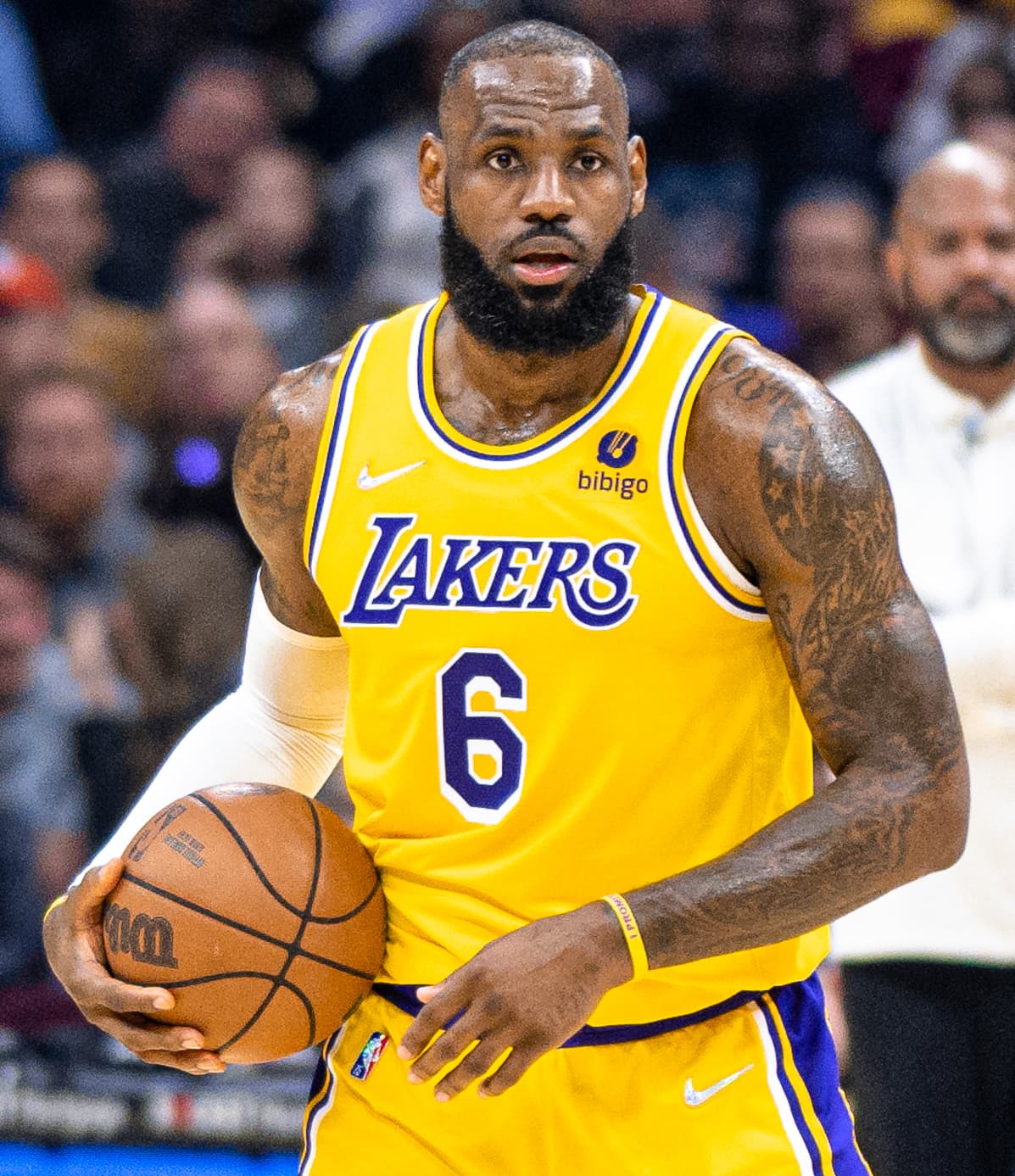
The NBA & Global Superstar Culture
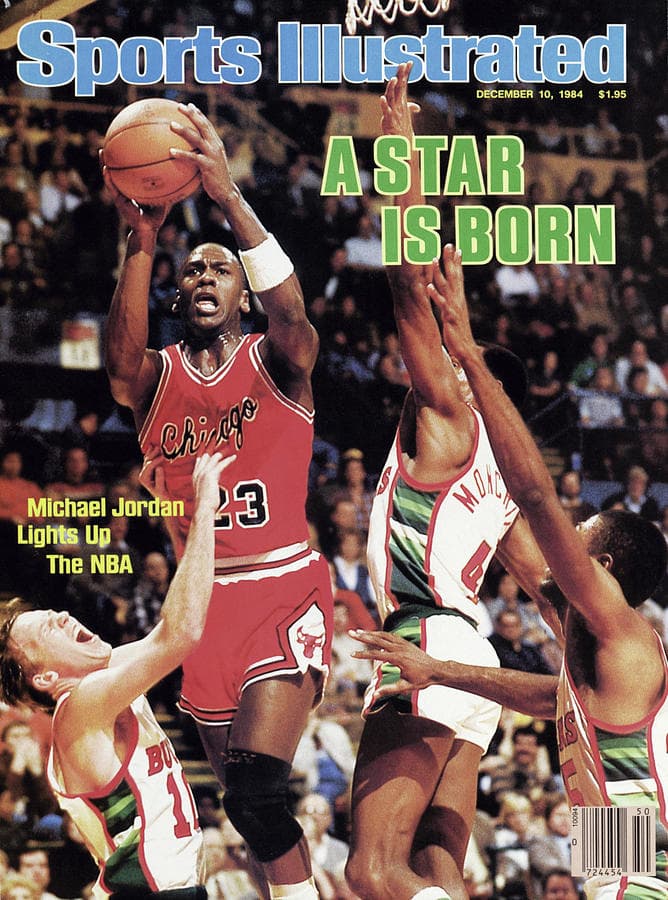
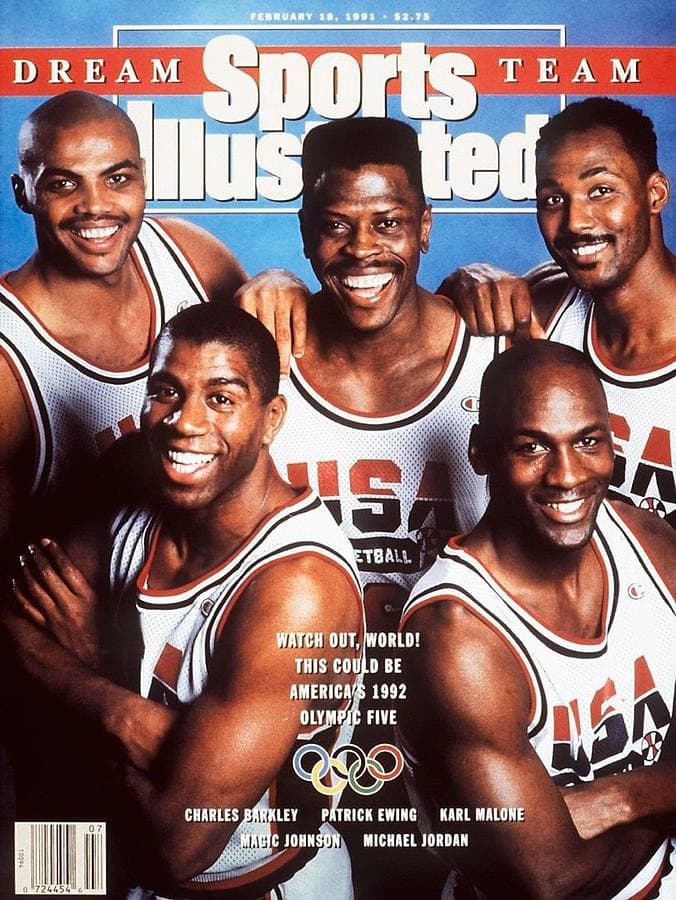
From the 1992 Dream Team to Michael Jordan's 6 championships and 5 MVPs, to LeBron and beyond, basketball is one of America's most powerful cultural exports, shaping global fashion, music, and urban lifestyle on every continent.
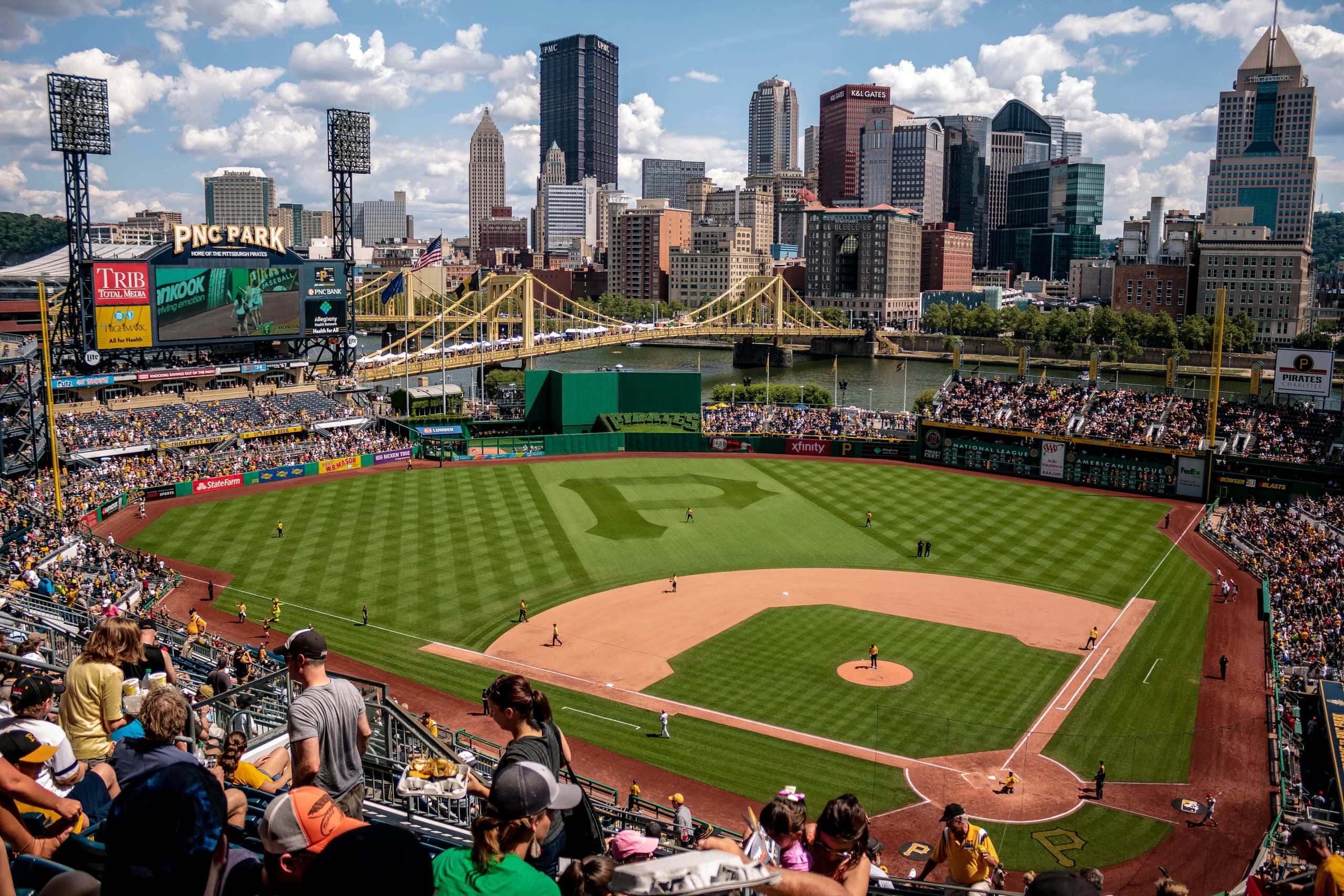
MLB Pastime & NCAA Fanaticism
Major League Baseball represents nostalgia and the history of America. In parallel, NCAA college football and basketball mobilize local communities with giant stadiums exceeding 100,000 capacities.
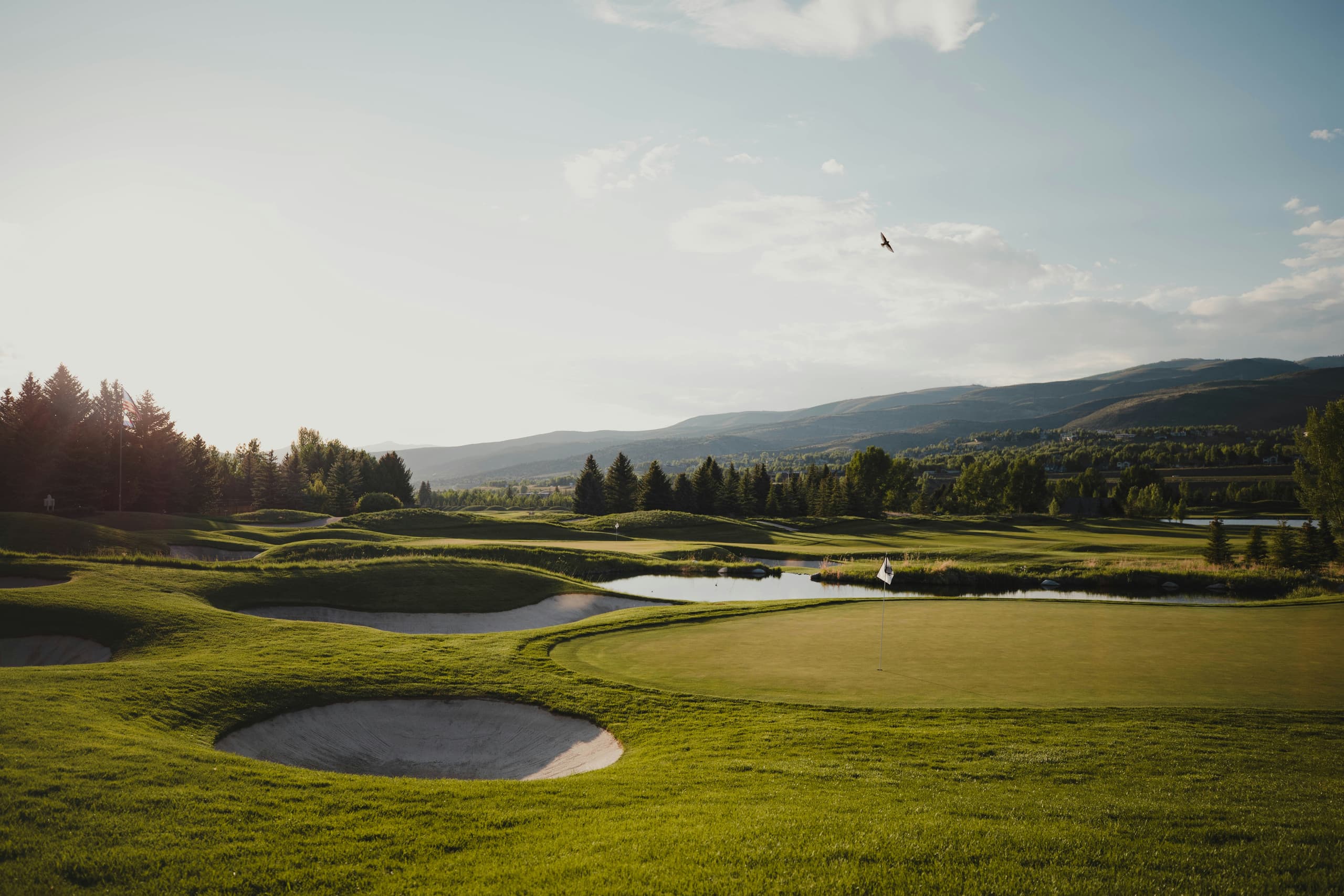
42% of Global Golf Supply
The United States accounts for 42.4% of the world's golf courses, nearly 16,000 of the 38,000 globally, compared to about 8,900 in all of Europe. This represents a concentration of leisure land density and discretionary free time with no global equivalent.
THE 2017 USPS STAMP SET
THE EIGHT AMERICAN BALLS
In 2017, the U.S. Postal Service issued stamps for America's most iconic sports balls, some of the most recognizable objects the country's culture has ever produced. It was one of many such sets: the USPS has also put out stamps for American superheroes, silent-film stars, ice-cream desserts, and Tex-Mex favorites, each its own small official canon. Every ball here hides a story of how it came to look the way it does. Click any of them.
 ★ A.G. Spalding design
A rugby ball, frozen in time
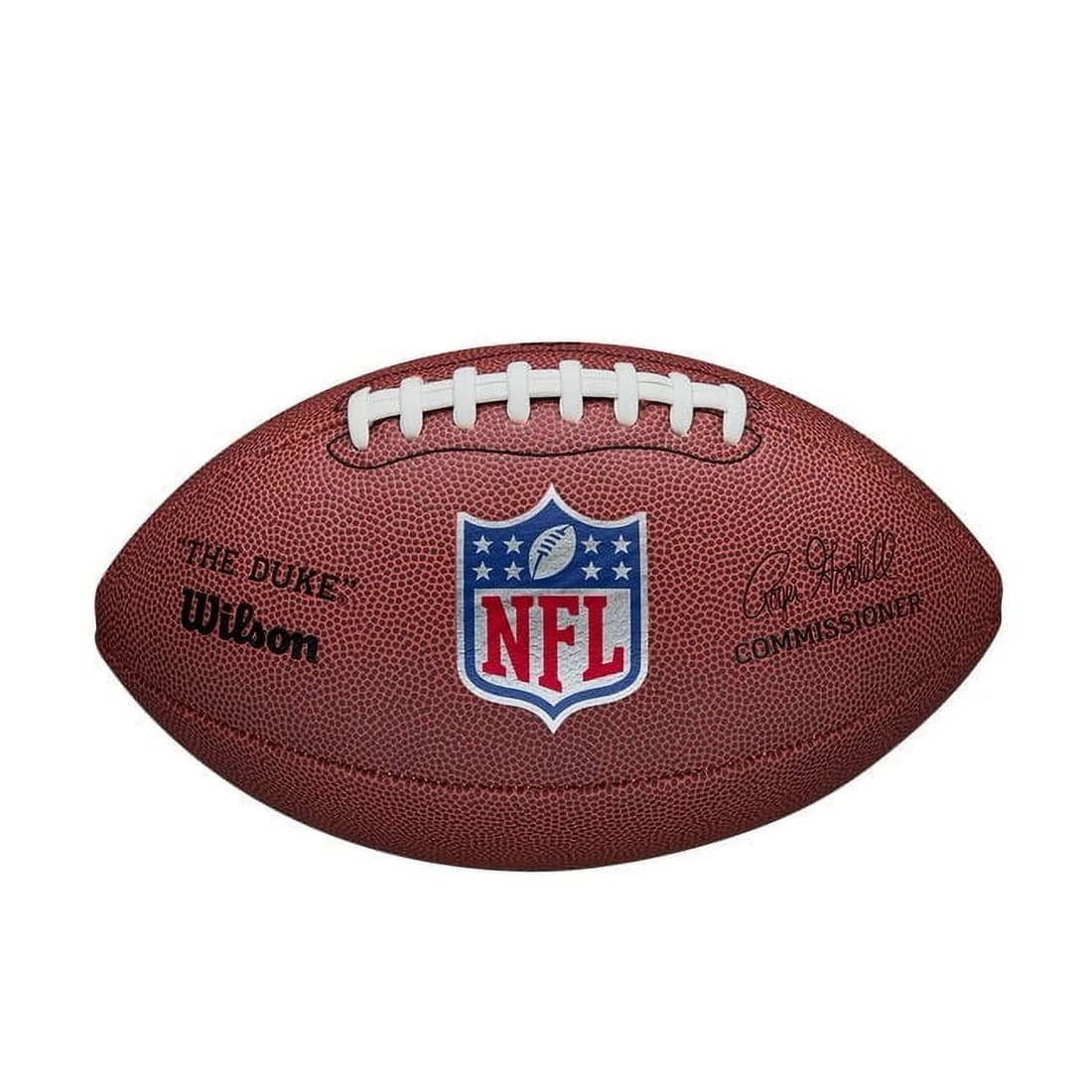
Football
1887American football grew out of British rugby, which American colleges took up in the late 1800s to settle whose school was better, so the earliest footballs were closely modeled on the British rugby ball. Of all these balls it has changed the least, and its shape is almost deliberately anachronistic, keeping an authentic 19th-century rugby look the British themselves no longer use. Before rubber was common, a lightweight ball was made by inflating a pig's bladder like a balloon, which is where the old cliché of the "pigskin" comes from, then covering that delicate bladder in the hide of a second animal, usually cow leather, and stitching it shut. A.G. Spalding, an Illinois ballplayer who retired in 1877 and founded the first major American sporting-goods company, spent the rest of his life making himself a fixture of every new American sport being invented, and his firm still takes credit for the first mass-market football, in 1887. As vulcanized rubber spread, the pig bladders gave way to stronger, cleaner rubber ones, and you can now buy a football made entirely of rubber, though the real professional-grade balls keep an outer cover of genuine leather. The clearest change since the early days is the striping: NFL balls carry none, college balls a half-stripe, Canadian balls a full ring. The bright stripes were meant to help players in the more amateur leagues see the ball, and because the three leagues use slightly different sizes, a stripe also shows at a glance which ball is regulation.
- Late 1800sColleges spin gridiron off British rugby
- Pre-rubberThe inflated pig bladder, the "pigskin"
- 1887Spalding's first mass-market football
- TodayPro balls still leather, laces tied by hand
WORTH KNOWING
You can buy an all-rubber football for the backyard, but a real NFL game ball is a beautifully made thing, genuine leather, with the laces still stitched and tied entirely by hand.
Five of the eight balls were shaped by one company, that of A.G. Spalding, the retired ballplayer who founded America's first great sporting-goods firm. Almost nothing in the American sporting canon is more than 150 years old.
AMERICA'S FAIRWAYS · 16,000+ COURSES
Golf Culture
The United States hosts more golf courses than any other country, from rugged mountain layouts carved through the Rockies to manicured seaside links on both coasts. Augusta National, Pebble Beach, and Pine Valley are world-renowned temples of the sport.
THE SPORT OF KINGS · NEW YORK, 1882–PRESENT
American Boxing
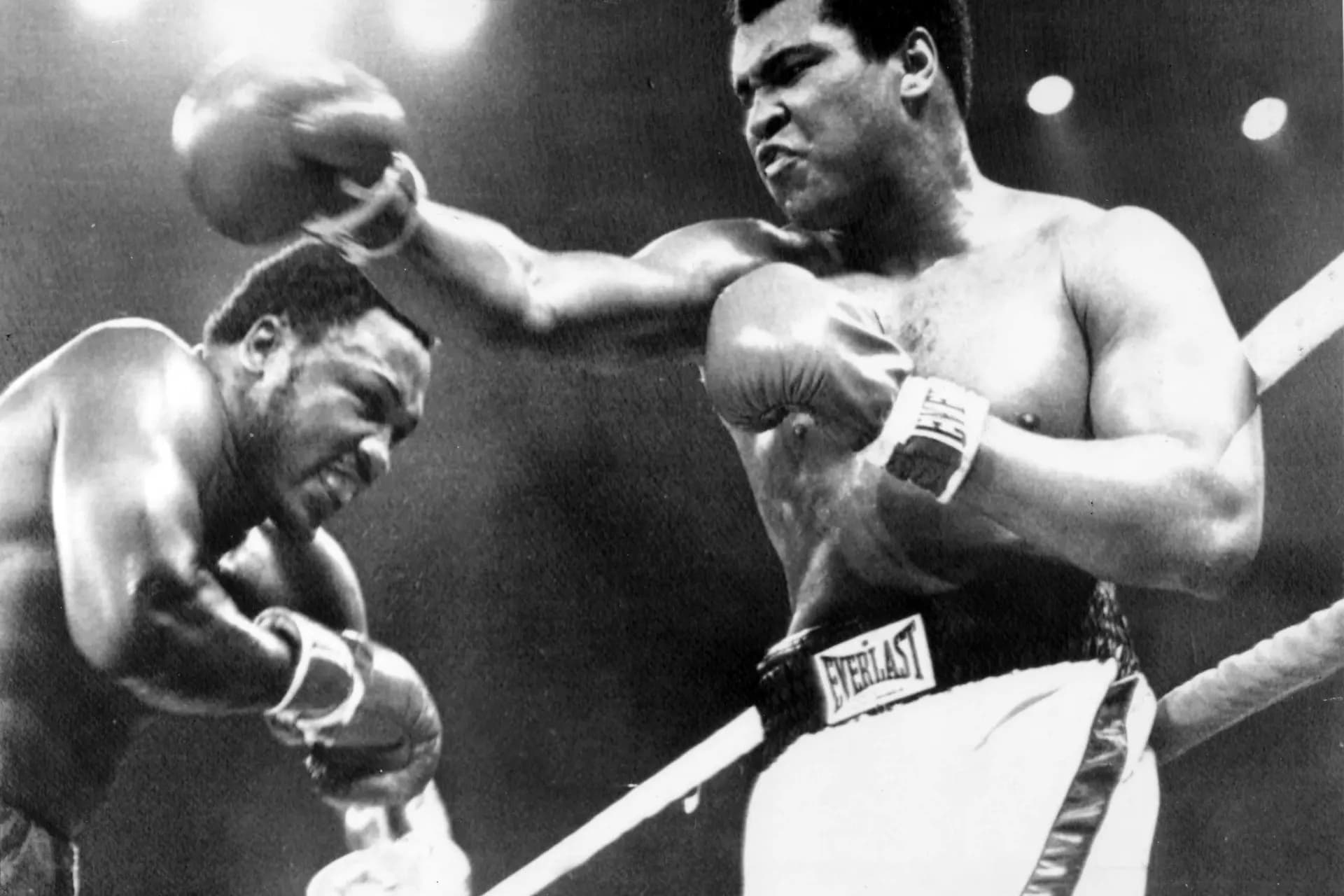
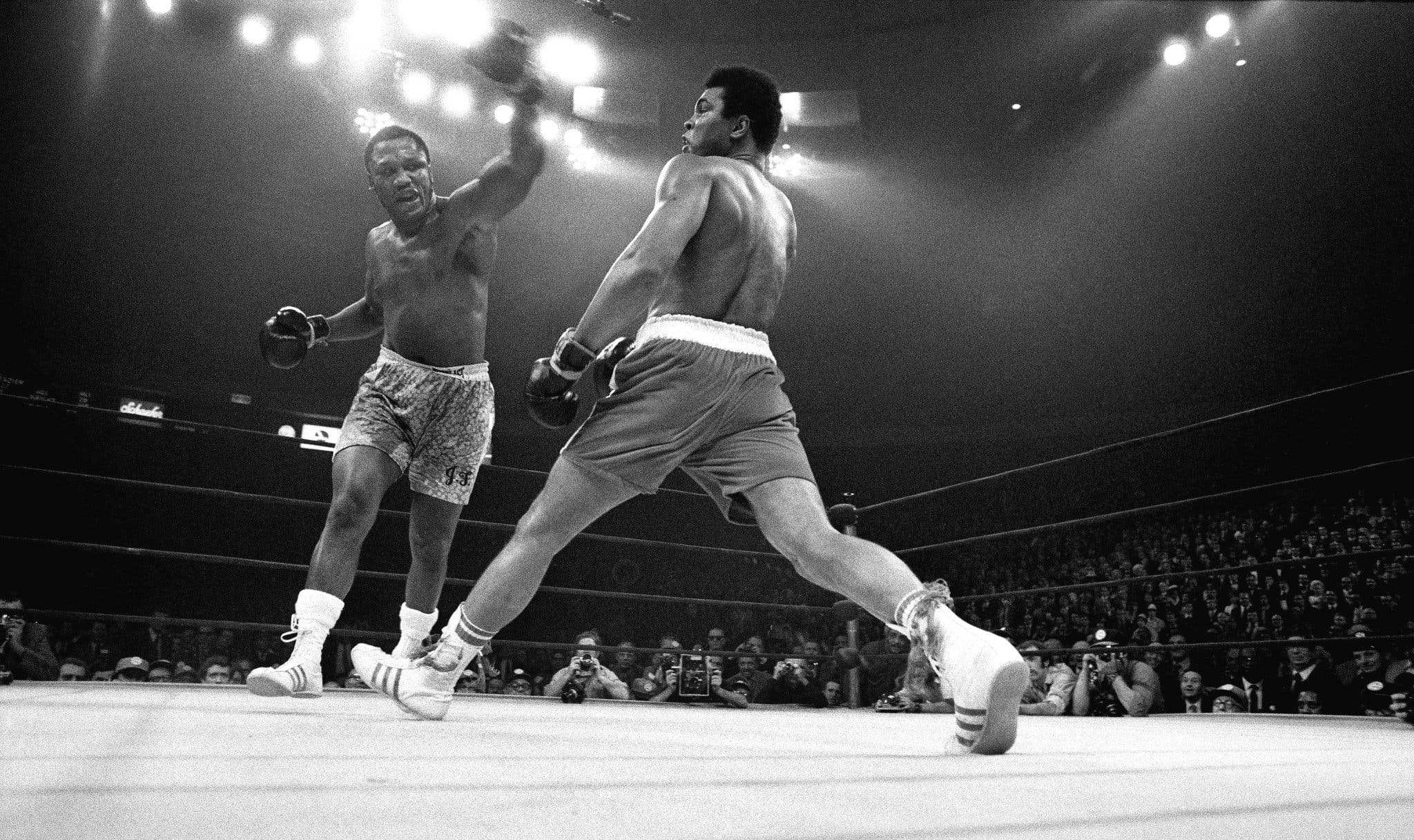
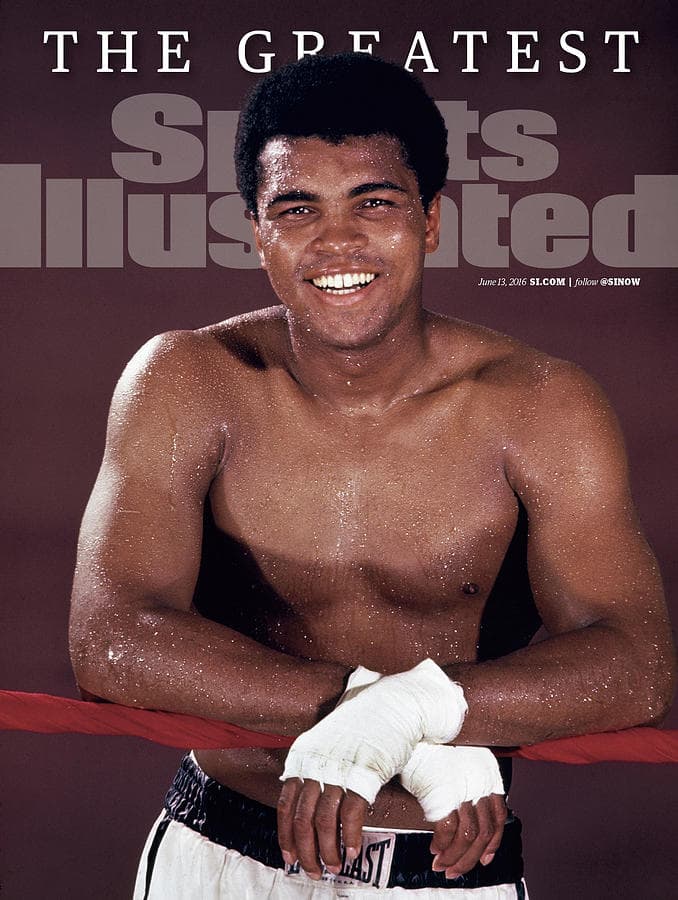
Muhammad Ali vs. Joe Frazier, the Fight of the Century (1971) remains the most watched live TV event in history at that time. Ali was a champion who stood for social resistance, moral courage, and athletic perfection simultaneously. Tyson, Foreman, Sugar Ray Leonard, America has produced the greatest boxing champions of all time.
NCAA · MARCH MADNESS · UNIQUE IN THE WORLD
College Sports
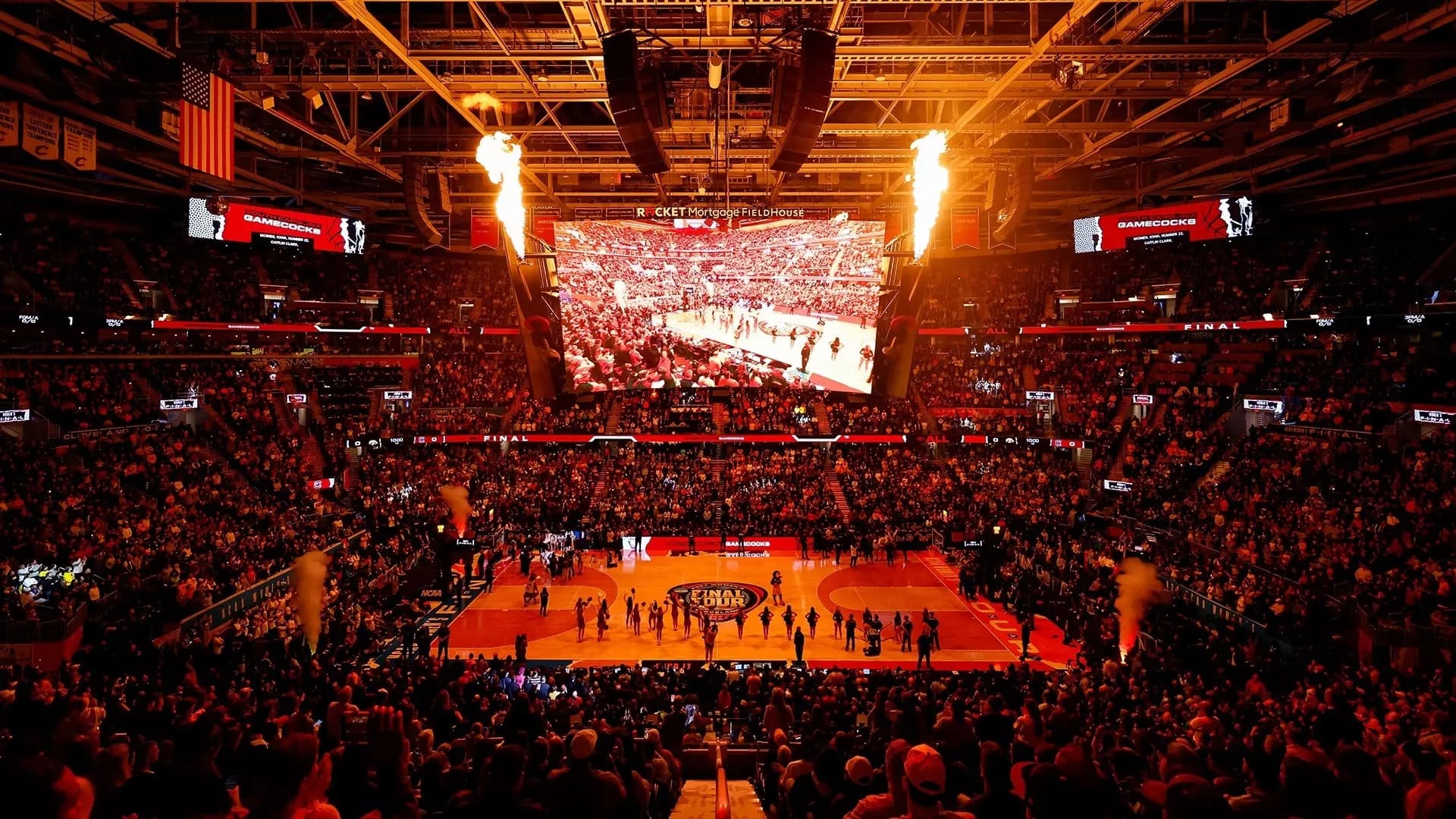
March Madness, the NCAA college basketball tournament, is a cultural phenomenon unique to the United States: 68 teams, 67 games, 100M+ viewers. College football fills 100,000+ seat stadiums every autumn weekend. NCAA generates $4 billion annually on its own. No other country has college athletics at this scale.
NASCAR · DAYTONA, 1948–PRESENT
NASCAR
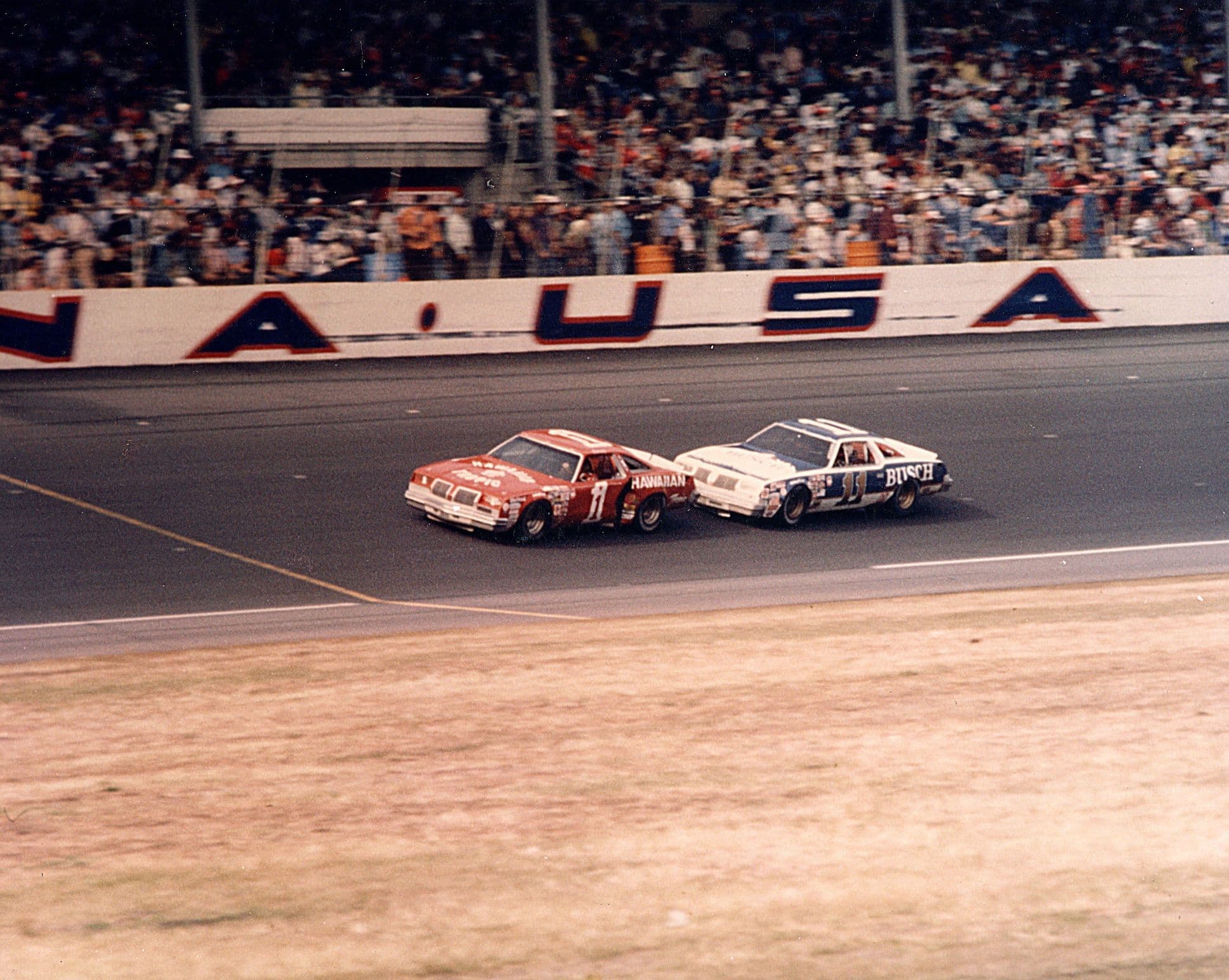
75 million fans. The Daytona 500 is the Super Bowl of racing, the Great American Race. Founded in 1948, NASCAR is uniquely American: oval tracks, stock cars, family dynasties, and a complete brand lifestyle ecosystem with zero global equivalent. Sunday race days across the South are cultural rituals as deep as any football game.
USWNT · TITLE IX · GLOBAL LEADERS
Women's Sports
Title IX (1972) created the world's largest women's athletics infrastructure. The USWNT is the most decorated women's soccer team in history, 4 World Cup titles, 4 Olympic gold medals. Brandi Chastain's Sports Illustrated cover celebrating the 1999 World Cup victory became the defining image of women's sports globally.

X GAMES · VENICE BEACH · SKATEBOARDING
Extreme Sports
America invented skateboarding in 1950s California and turned it into a global cultural force. X Games (1995) brought snowboarding, BMX, and skating into prime time. Tony Hawk's Pro Skater (1999) introduced entire generations to skate culture. Venice Beach Skate Park remains a global pilgrimage site, and in 2020, skateboarding officially entered the Olympic Games.
.0r7ylo_-wt.k3.jpg&w=2560&q=75)
THE SPORTS ENGINE
The Professional Sports Economy: Global Dominance
The United States operates four major professional sports leagues, the NFL, NBA, MLB, and NHL, each individually larger by revenue than the top league of most developed nations. Underwritten by sports media rights, apparel giants like Nike, ticketing, fitness, and recreation, the total U.S. sports business industry exceeds $1.06 trillion annually, projecting unmatched global soft power.
OLYMPIC DOMINANCE & LEGENDS
The Most Successful Olympic Nation in History
The United States leads the modern Olympic Games with a record-shattering 1,105 gold medals in the Summer Games (and 1,219 total gold medals overall including Winter games). What makes this record remarkable is the context: the U.S. achieves this dominance without a government sports ministry or state-funded academies. Instead, Olympic success is driven by collegiate athletics (Title IX), private clubs, and commercial sponsorships operating in a free society.
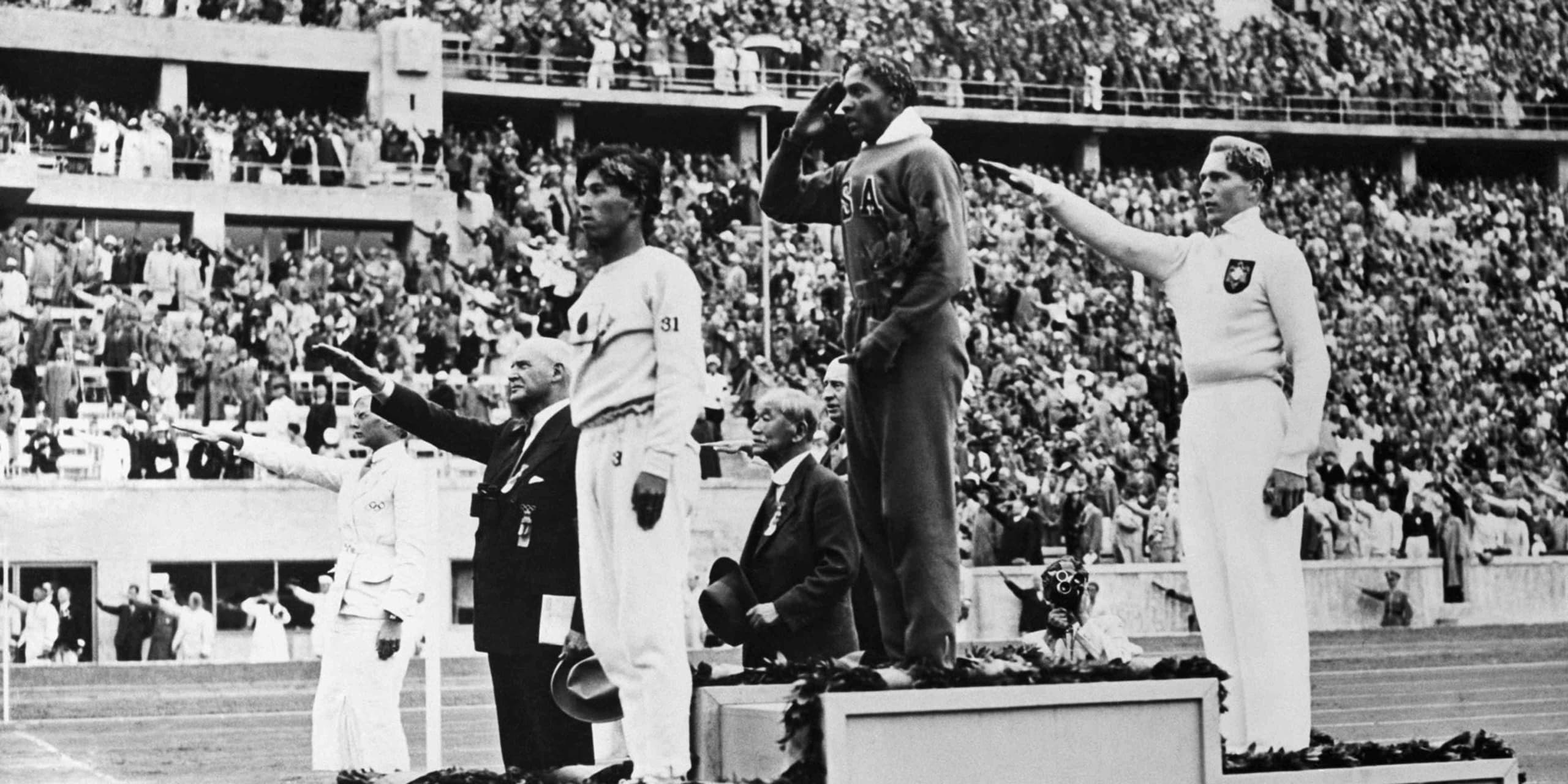
Jesse Owens in Berlin (1936)
Under the eyes of a hostile regime, African-American track star Jesse Owens won four gold medals, single-handedly shattering the myths of racial supremacy with quiet excellence.
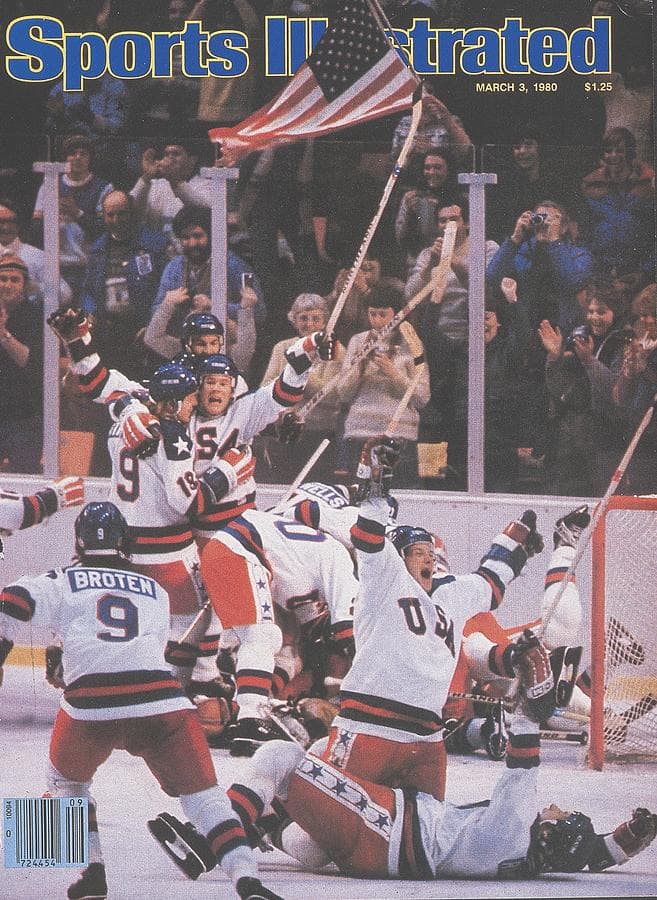
The Miracle on Ice (1980)
A team of American college players defeated the four-time defending gold medalist Soviet team, a historic victory that transcended sports during the height of the Cold War.
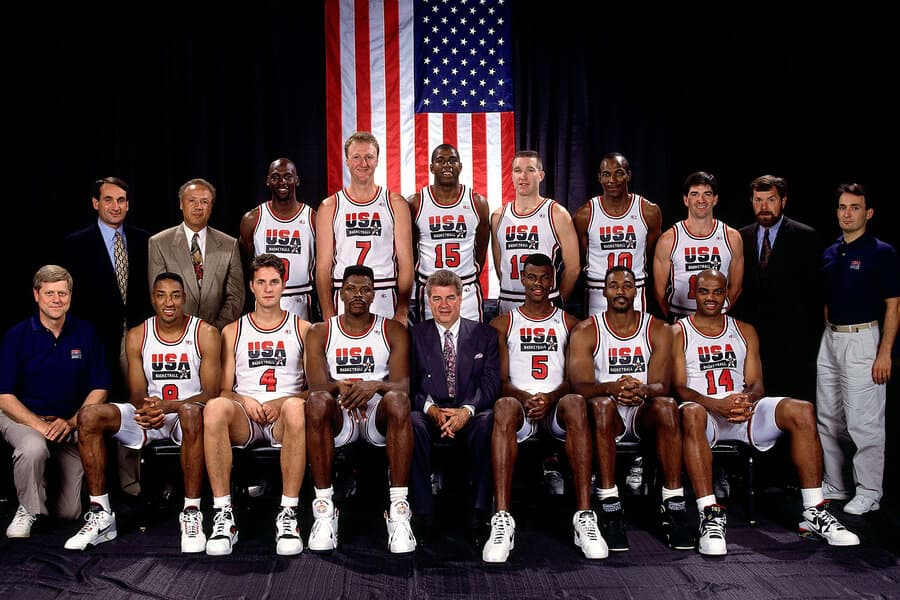
The 1992 Dream Team
Featuring Jordan, Magic, and Bird, the first U.S. Olympic basketball team with active NBA players captured global imagination, popularizing basketball on every continent.
Michael Phelps
With 28 Olympic medals, 23 of them gold, American swimmer Michael Phelps holds an all-time record that may never be broken. At the 2008 Beijing Olympics alone, Phelps won 8 gold medals, eclipsing Mark Spitz's legendary 1972 record of 7 golds, demonstrating a level of individual dominance and athletic focus unmatched in human history.
Simone Biles
Simone Biles is widely recognized as the greatest gymnast of all time. With 30 World Championship medals (23 gold) and 7 Olympic gold medals, she has pushed the physical boundaries of her sport to unprecedented heights, successfully landing vault and floor elements of such extreme difficulty that they are named after her in the official code of points.
THE SOCCER REVOLUTION & WC 2026
The European Football Boom
Association football (soccer) is experiencing an unprecedented golden age in the United States. Propelled by the explosive expansion of Major League Soccer (MLS), now a 30-team league drawing massive attendance and global icons like Lionel Messi, soccer has become the fastest-growing youth sport in the country. This rise is set to culminate in the hosting of the 2026 FIFA World Cup, co-hosted with Canada and Mexico, placing the world's grandest sporting event across historic American venues from New York and Dallas to Los Angeles and Miami.
GRASSROOTS & THE COMMUNITY PIPELINE
The Grassroots Engine & Suburbia
Behind every American Olympic medal and professional athlete lies an incredibly robust, bottom-up community pipeline. Every weekend, millions of suburban children compete in local youth sports leagues (Little League Baseball, club soccer, community swim clubs, and track teams) funded entirely by family investment and local small-business sponsorships. American high schools build on this, operating highly competitive athletic programs with professional-grade facilities and deep school spirit, serving as the ultimate stepping stone to NCAA collegiate athletics and the Olympic stage.
DEFINING MOMENTS
THE GREATEST AMERICAN ATHLETES
THE LEGENDS
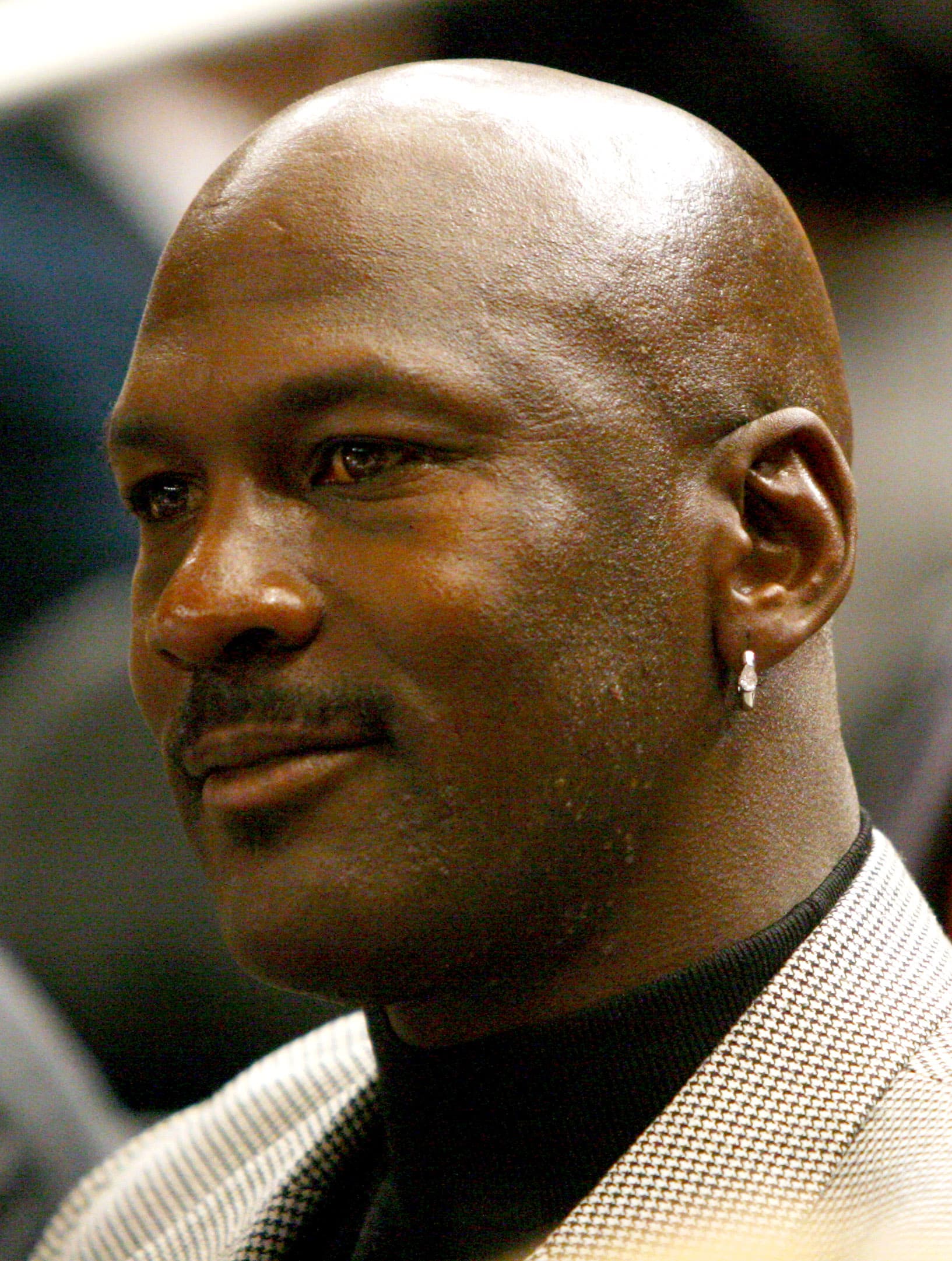
Michael Jordan
6× NBA Champion
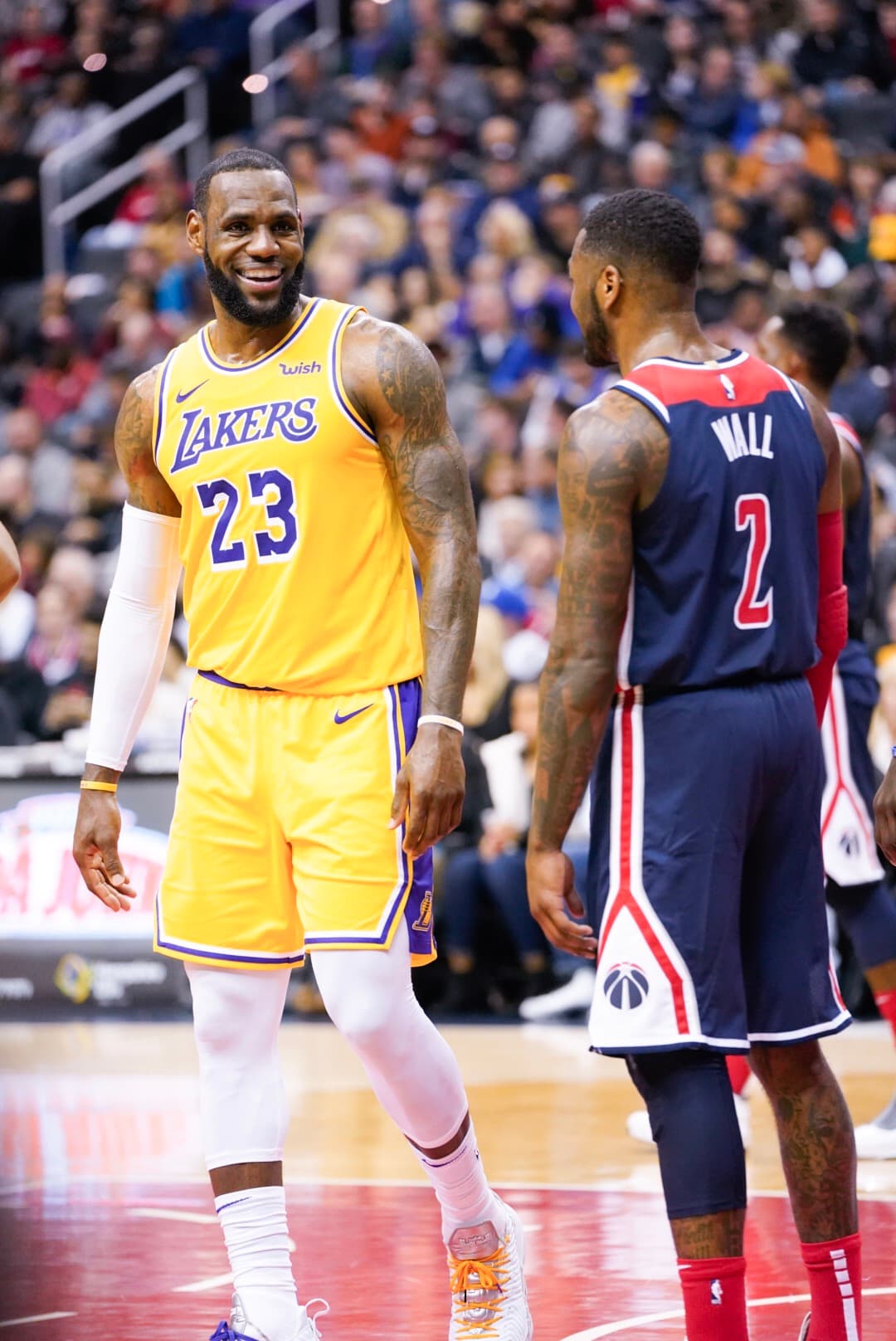
LeBron James
4× NBA Champion · Lakers
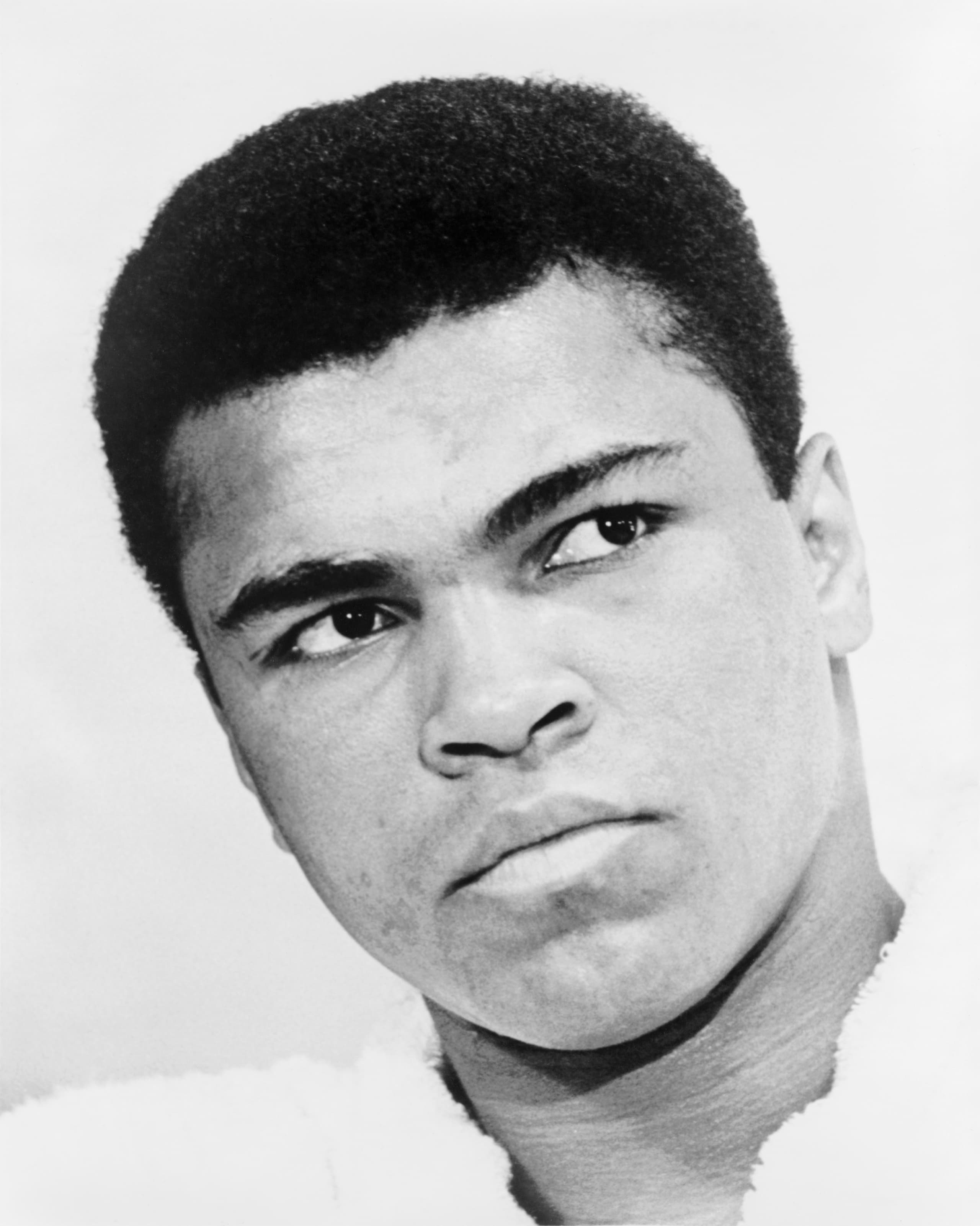
Muhammad Ali
The Greatest of All Time
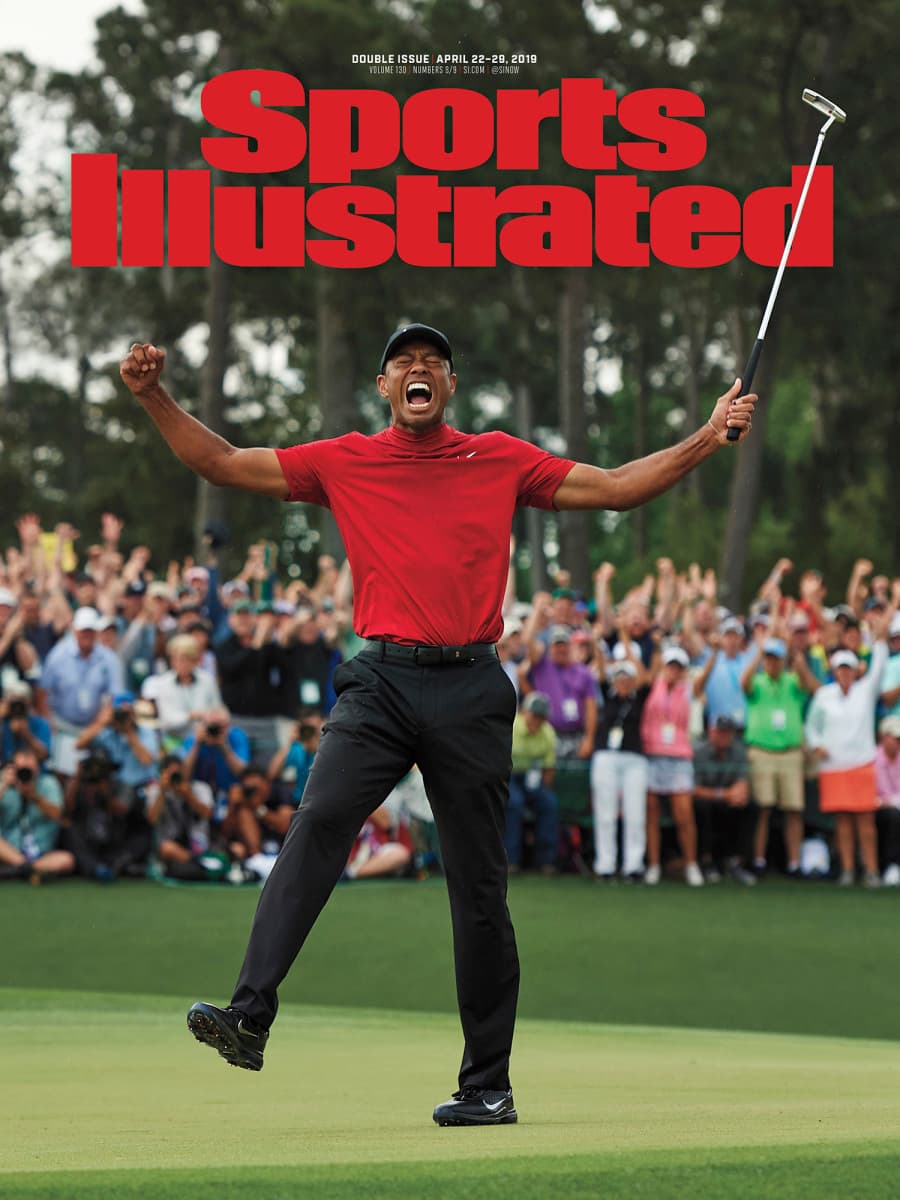
Tiger Woods
15× Golf Major Winner
Miracle on Ice
1980 Olympics, USA vs USSR
SATURDAYS IN AMERICA
COLLEGE FOOTBALL CATHEDRALS
Nowhere else on Earth does amateur college sport fill 100,000-seat stadiums. The American autumn Saturday is a cultural ritual, marching bands, century-old traditions, and an intensity rivaling any professional league.
Michigan Stadium · 'The Big House'
107,601 seats, the largest stadium in the United States and the entire Western Hemisphere. On home Saturdays it becomes, in effect, the third-largest city in Michigan. The steel bowl has held crowds north of 115,000 for marquee games.
Beaver Stadium · Penn State
106,572 seats; the 'White Out' night games, when the entire crowd dresses in white, rank among the loudest spectacles in all of sport. ESPN has called it one of the toughest places to play in America.
Ohio Stadium · 'The Horseshoe'
Holds 102,780 in its iconic horseshoe shape. The marching band's dotting of 'Script Ohio' is a tradition more than 90 years old, and Saturdays in Columbus draw the largest crowds in the Big Ten.
Kyle Field · Texas A&M
102,733 seats, 'Home of the 12th Man,' where the entire student body stands for all four quarters. A $485M redevelopment made it the largest stadium in the SEC, and the collective noise is a genuine home-field weapon.
Tiger Stadium · LSU 'Death Valley'
Seats 102,321; night games here are widely considered the most intimidating in the sport. A 1988 touchdown celebration was so loud it literally registered on a campus seismograph.
Neyland Stadium · Tennessee
101,915 seats on the bank of the Tennessee River, where fans famously arrive by boat, the 'Vol Navy.' The orange-and-white checkerboard end zones are one of college football's signature images.
DKR–Texas Memorial · Texas
Over 100,000 burnt-orange fans with the Austin skyline rising beyond, among the largest in the nation. Home of the Longhorns since 1924, expanded again with a south end-zone deck in 2024.
Bryant-Denny Stadium · Alabama
100,077 seats in Tuscaloosa, home to the most dominant dynasty of the modern era, with multiple national titles since 2009. The crimson sea on a fall Saturday is college football at its peak.
Rose Bowl · Pasadena
The 'Granddaddy of Them All' (1922), framed by the San Gabriel Mountains and a National Historic Landmark. Host of five Super Bowls, the 1984 and 2028 Olympics, and the 1994 and 1999 World Cup finals.
Sun Devil Stadium · Arizona State
Seats 53,599 in Tempe, set against the dramatic backdrop of Tempe Butte ("A" Mountain), a uniquely Southwestern college football setting.
Ohio State vs Tennessee · Playoff
A high-intensity matchup in the College Football Playoff under the winter sky, capturing the drama of single-elimination postseason gridiron.
AT&T Stadium Kickoff Classic
The annual marquee season-opening game in Arlington, Texas, bringing together top-ranked programs in a neutral-site blockbuster.
SUNDAYS & GAME DAYS
NFL STADIUMS & BALLPARKS
From ivy-clad historic shrines to billion-dollar domes, America's professional venues, football, baseball, and motorsport, fuse deep tradition with the most advanced stadium technology on the planet.
SoFi Stadium · Los Angeles
A $5B+ marvel with the dual-sided 4K 'Infinity Screen' suspended over the field, the most expensive stadium ever built. Host of Super Bowl LVI and the 2028 Olympic opening ceremony.
AT&T Stadium · Dallas Cowboys
'Jerry World', a $1.3B retractable-roof dome with a center-hung video board spanning nearly the full field. Seats 80,000 and expands past 100,000; the Cowboys are the world's most valuable sports franchise.
Allegiant Stadium · Las Vegas
A $2B black-glass dome beside the Strip, home of the Raiders, with a natural-grass field that rolls outdoors for sunlight. Host of Super Bowl LVIII, a climate-controlled icon in the desert.
MetLife Stadium · East Rutherford
The NFL's only home shared by two teams (Giants and Jets), 82,500 seats, and host of the 2026 FIFA World Cup final. One of the largest stadiums in the league.
Mercedes-Benz Stadium · Atlanta
A retractable pinwheel roof and a 360° 'halo' video board make it one of the most advanced venues on Earth. Famous for honest, low concession pricing; host of Super Bowl LIII and a College Football Playoff title.
State Farm Stadium · Glendale
A retractable-roof venue whose entire grass field slides outside between games. A repeat Super Bowl and Final Four host in the Arizona desert, and home of the Cardinals.
Bank of America Stadium · Charlotte
The Carolina Panthers' downtown home, ringed by six-foot bronze panther statues, a fortress in the heart of the New South, within walking distance of uptown Charlotte.
FedExField · Landover, MD
Long one of the NFL's largest by capacity, just outside the nation's capital, a Sunday gathering point for the entire DC region and a cauldron on game day.
M&T Bank Stadium · Baltimore
Home of the Ravens beside the Inner Harbor, purple Sundays and one of the league's loudest crowds, famous for a passionate sellout-streak fanbase.
Caesars Superdome · New Orleans
An icon of the Gulf South since 1975, host of seven Super Bowls, more than any other venue. The beating heart of the Saints and the city, and a refuge during Hurricane Katrina.
Lambeau Field · Green Bay
'The Frozen Tundra' (1957), the longest continuously operating stadium in the NFL and a community-owned shrine. The Packers are the league's only publicly owned team; the 'Lambeau Leap' into the stands is tradition.
Yankee Stadium · The Bronx
Home of baseball's most decorated franchise, 27 World Series titles. The 2009 ballpark echoes the cathedral Babe Ruth built next door, and Monument Park honors the legends.
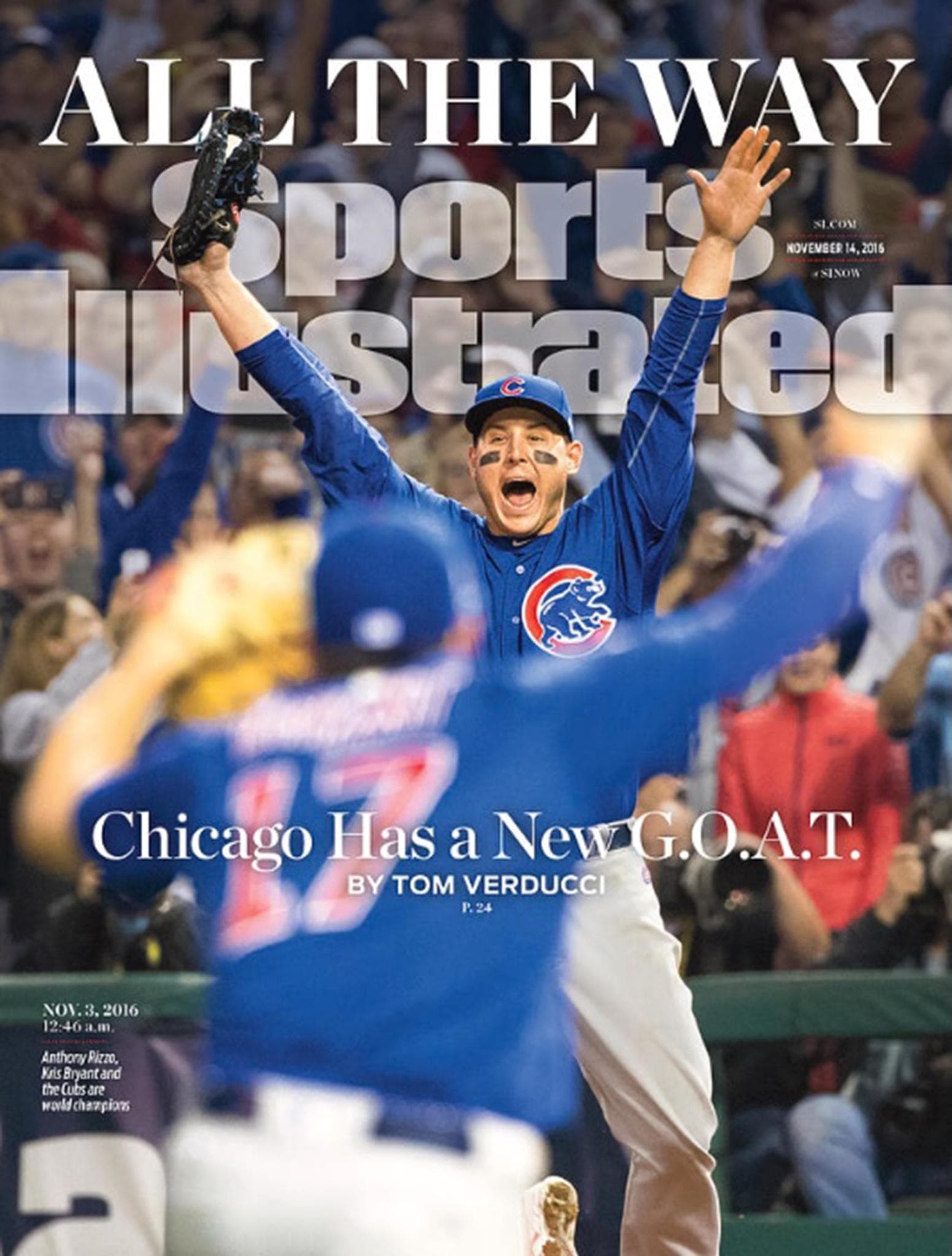
Wrigley Field · Chicago Cubs
Opened 1914, ivy-covered brick outfield walls and a hand-turned scoreboard make it baseball's living museum. The second-oldest ballpark in the majors.
Fenway Park · Boston
Opened 1912, the oldest ballpark in the majors, home of the 37-foot 'Green Monster' in left field. A quirky, beloved cathedral of the Red Sox.
Truist Park · Atlanta
The Braves' ballpark anchoring The Battery, a stadium-as-neighborhood blending baseball with shops, music, and restaurants open year-round. A model for the modern mixed-use ballpark.
Bristol Motor Speedway · Tennessee
A half-mile concrete bowl seating ~150,000, 'The Last Great Colosseum' of American motorsport. It also hosted the largest-attendance college football game ever, the 'Battle at Bristol,' before 156,990 fans.
Madison Square Garden · New York City
"The World's Most Famous Arena" in Midtown Manhattan, home to the NBA's Knicks, NHL's Rangers, and over 150 years of legendary sports and concert history.
PNC Park · Pittsburgh Pirates
Widely ranked as the most beautiful ballpark in Major League Baseball, offering a stunning, unobstructed view of the Pittsburgh skyline and the Roberto Clemente Bridge.
Indianapolis Motor Speedway
The world's largest sports venue by capacity (~400,000 seats), home to the legendary Indy 500 since 1911 and a historic landmark of global motorsport.
Daytona International Speedway
The shrine of American stock car racing, hosting the Daytona 500 since 1959. Seats over 101,000 fans under a massive grandstand on the Florida coast.
Circuit of the Americas · Austin
The premier purpose-built Formula 1 track in the United States, hosting the United States Grand Prix and drawing over 400,000 fans to Austin for race weekend.
Las Vegas Motor Speedway
A massive 1,200-acre complex hosting major NASCAR events under the neon lights of the Nevada desert just north of the Strip.
Texas Motor Speedway · Fort Worth
A high-speed quad-oval superspeedway in Fort Worth, hosting NASCAR races with a massive grandstand capacity of over 100,000 spectators.
Churchill Downs · Kentucky Derby
The historic home of the Kentucky Derby since 1875, famed for its iconic twin spires and hosting the most legendary two minutes in horse racing.
“American stadiums stand as cathedrals of national identity, capable of gathering 100,000 fans under Friday night lights or Sunday autumn skies.”
The Ask America Oracle
Ask the AI Oracle about the NFL, NBA, MLB, college football, golf course density, or the total US sports industry.