Where the Future Is BuiltCAPITALS OF COMPUTE
MIT, Stanford, Caltech, and Carnegie Mellon: the research crucibles that engineered modern computing, launched Silicon Valley, and power global tech transfer.
The Infrastructure of Innovation
America's technological hegemony is not an accident of geography; it is the direct output of a small number of elite research laboratories. Institutions like MIT, Stanford, Caltech, and Carnegie Mellon function as high-velocity engines that take basic scientific research and immediately spin it off into commercial products through robust technology-transfer offices and deep venture capital integrations.
By blending military-defense research grants, massive corporate R&D partnerships, and an entrepreneurial culture that views start-up creation as the ultimate academic validation, these universities have established a model that Europe's public-funding systems cannot match. They don't just write papers; they build industries.
Scientific & Industrial Impact Metrics
0+
Unicorn Startups
Billion-dollar startups founded by Stanford alumni, dominating tech sectors.
$0B+
MIT R&D Budget
Annual research spending supporting advanced laboratories, compute clusters, and biotech.
0
Caltech Nobel Prizes
World-leading concentration of Nobel laureates relative to the small size of the university.
The Engines of Computing & Engineering
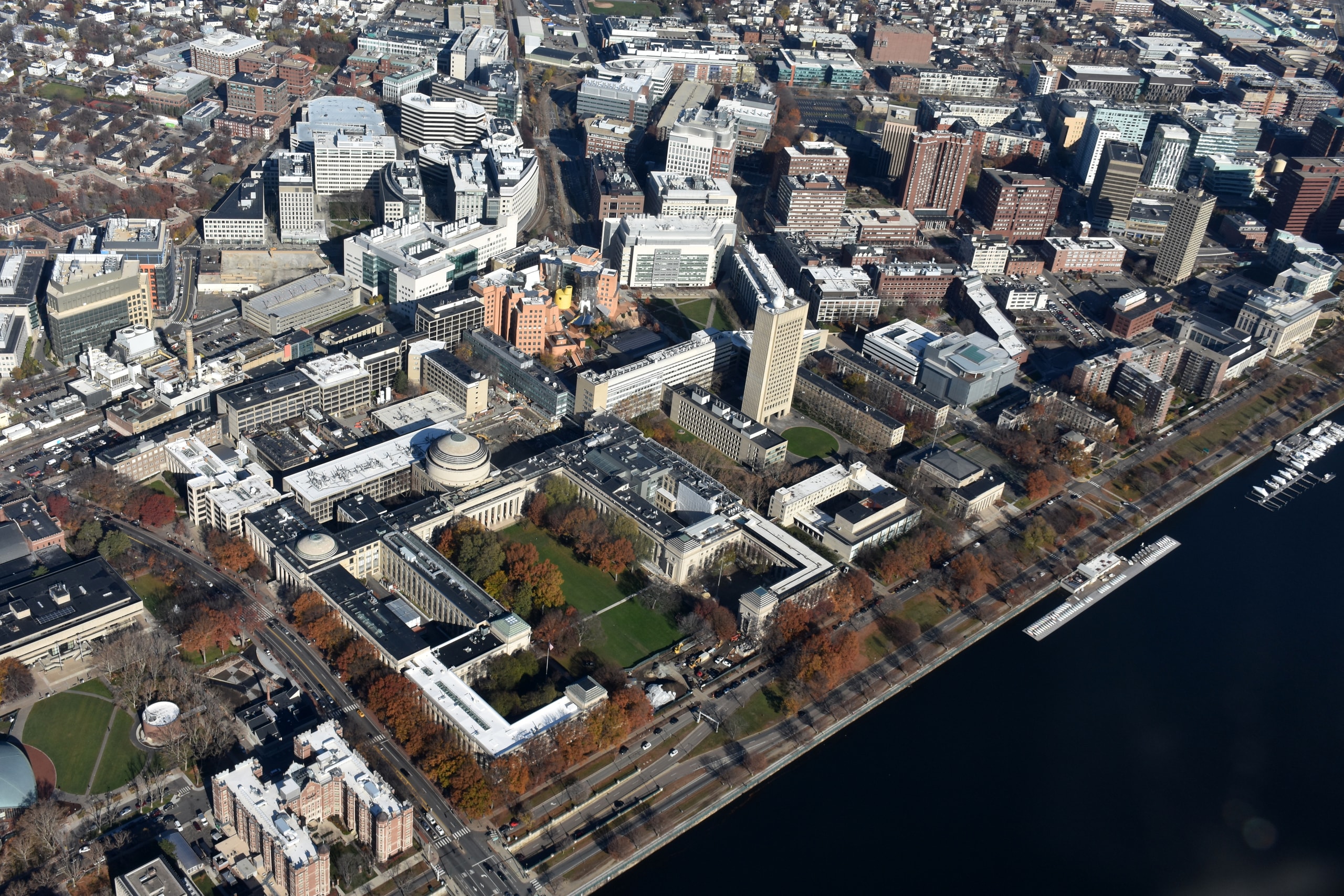
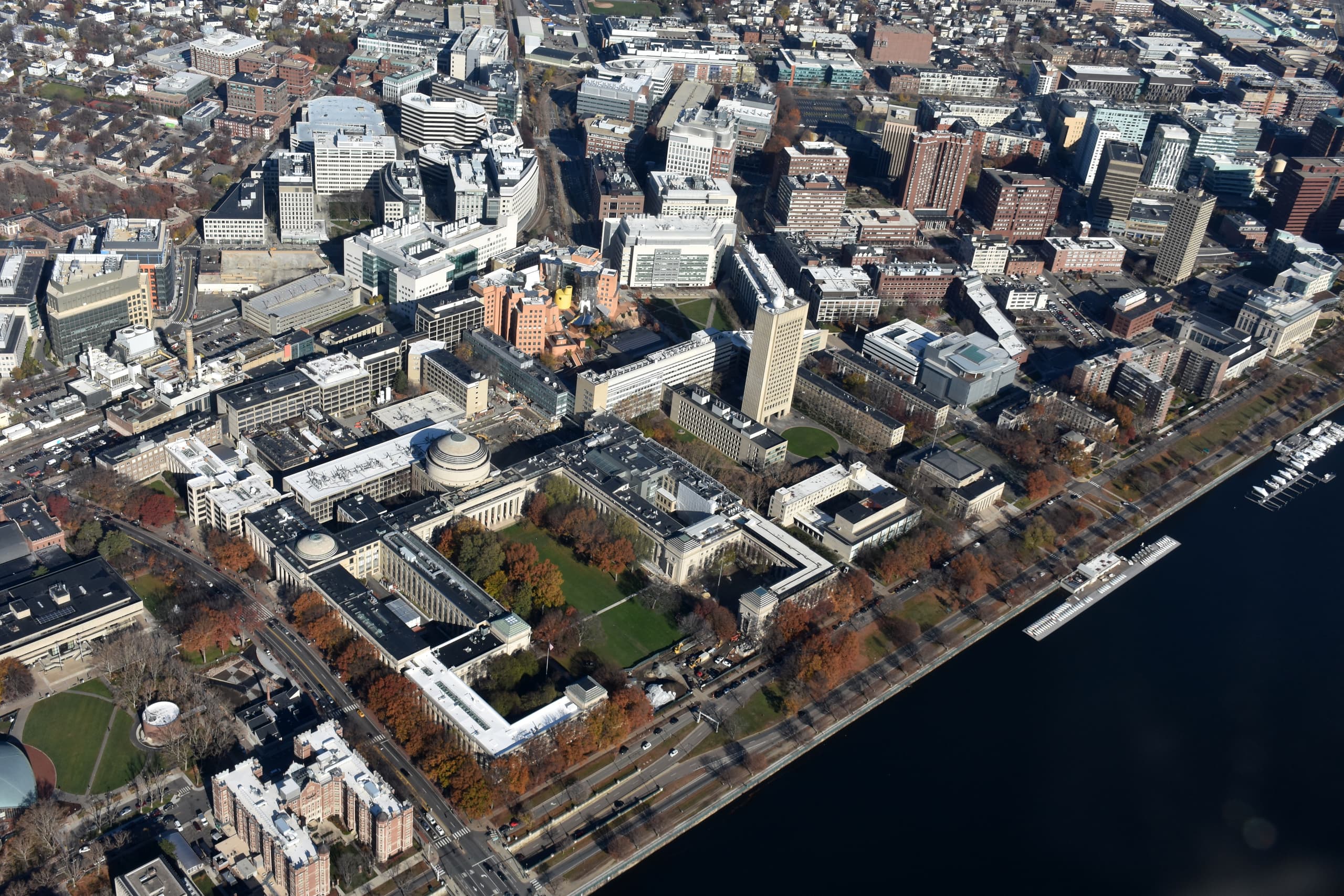
MIT (Massachusetts Institute of Technology)
The world's preeminent engineering university. MIT spearheaded the development of radar in WWII, created the early building blocks of digital computing (magnetic-core memory), pioneered artificial intelligence, and manages over $2 billion in annual R&D expenditures.
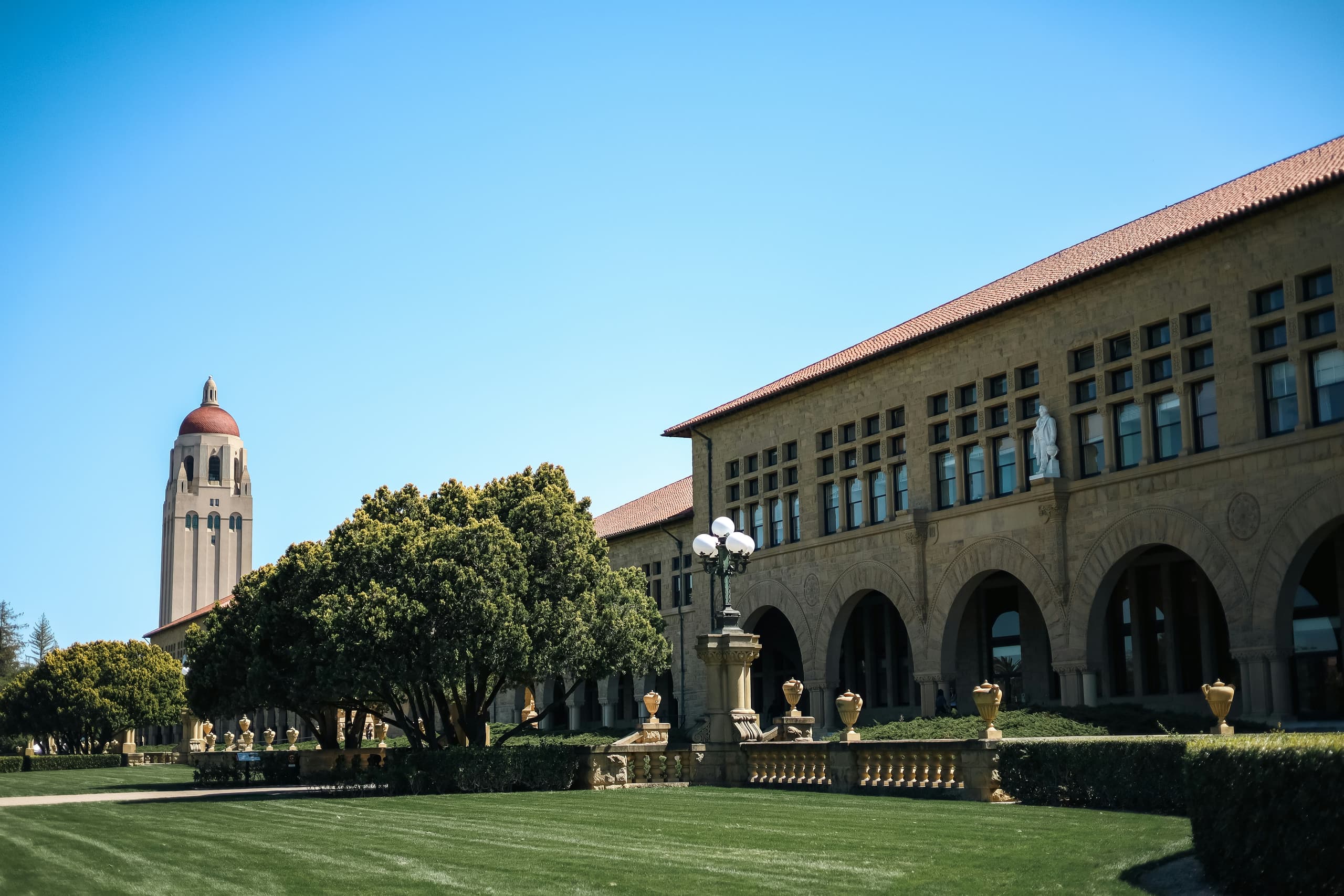
Stanford University
The intellectual engine of Silicon Valley. Stanford established the Stanford Research Park in the 1950s, seeding companies like Hewlett-Packard. Alumni and faculty have founded Google, Cisco, Yahoo, Nvidia, Sun Microsystems, and Netflix.
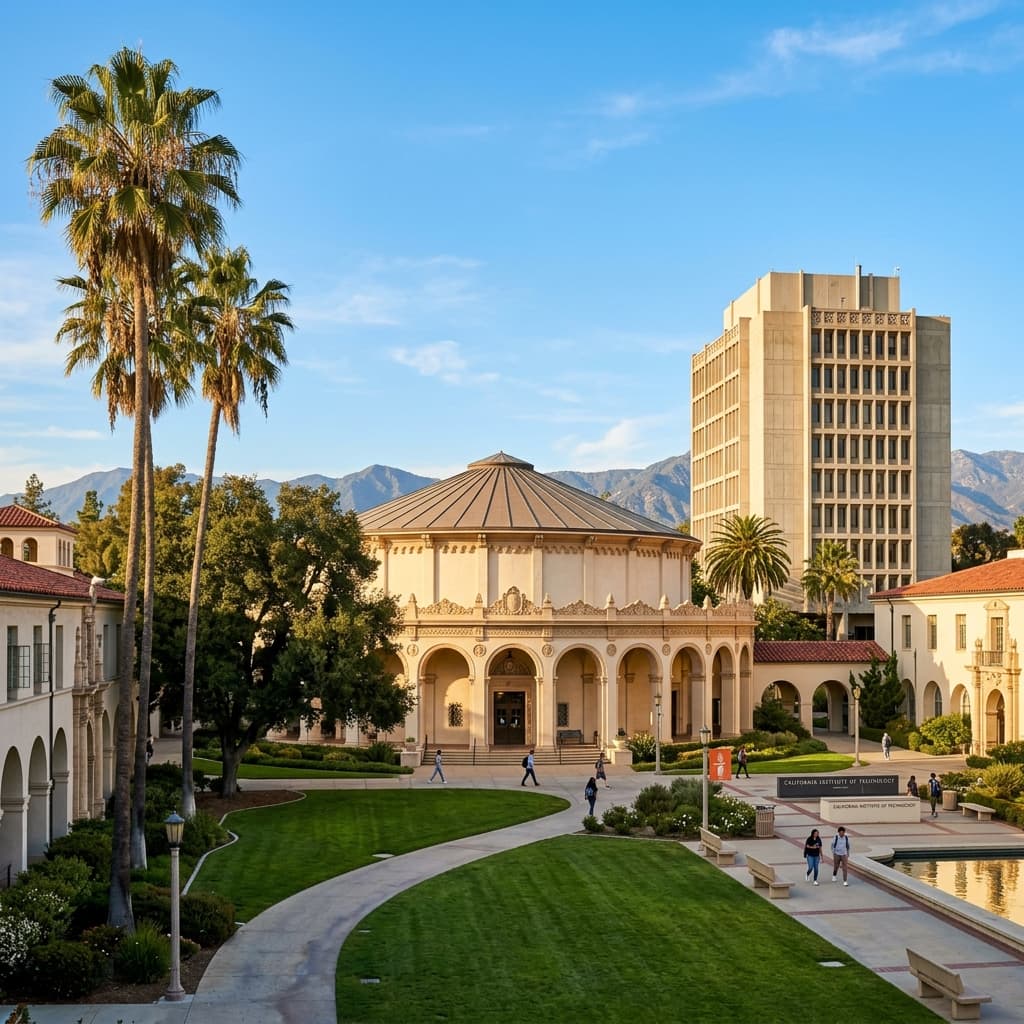
Caltech (California Institute of Technology)
An elite, ultra-focused community of scientists. Caltech manages NASA's Jet Propulsion Laboratory (JPL), has won 46 Nobel Prizes relative to its tiny student body, and stands at the cutting edge of quantum computing, astrophysics, and seismology.
Carnegie Mellon University (CMU)
A world-leader in computer science, robotics, and human-computer interaction. CMU hosted the first artificial intelligence research projects in the 1950s and continues to power autonomous driving, software engineering, and robotic logistics.

From the Blackboard to the Nasdaq
American STEM universities don't just hoard patents; they act as rapid tech incubators. Stanford and MIT alone generate billions in annual licensing revenues and have spun off thousands of active companies.
The Bayh-Dole Act of 1980: Unlocking Academic Inventions
Before 1980, the US federal government owned the patents on any discoveries funded by federal research grants, licensing fewer than 5% of them. The Bayh-Dole Act flipped this ownership structure, allowing universities and research institutions to retain patent title to their discoveries and license them to private startups and corporations. This single policy shift transformed American universities from theoretical ivory towers into commercial launchpads.
Since its passage, academic tech transfer has generated over $1.9 trillion in U.S. gross industrial output, supported over 4.2 million jobs, and helped launch more than 11,000 startup companies. Over 70% of university licenses are granted to small companies and startups. The act is the legal engine behind biotechnology clusters like Boston's Kendall Square, Silicon Valley's tech transfer, and countless life-saving innovations like mRNA platforms and cancer therapies: funded by federal research, commercialized by private capital.
The Ask America Oracle
Ask the AI Oracle about Stanford's role in founding Google, MIT's Lincoln Lab, Caltech's management of JPL, or CMU's robotics research.