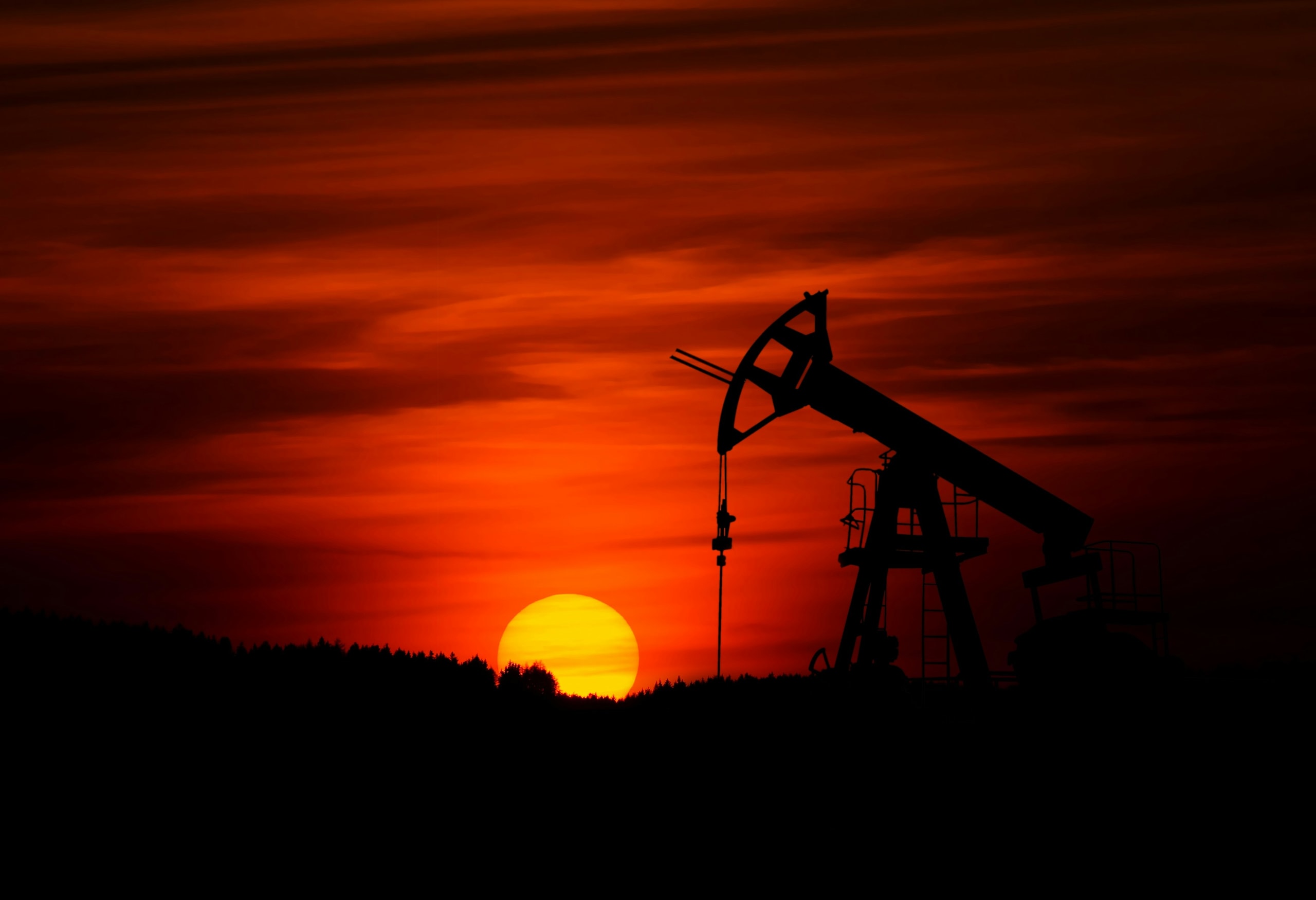
THE WEALTH OFA CONTINENT
From the oil fields of Texas to the wheat seas of Kansas, from the copper pits of Utah to the Great Lakes: the United States commands one of the most complete endowments of natural wealth ever granted to a single nation.
The Endowment
A Continent of Abundance
Stretching from the oil fields of the Permian Basin to the wheat seas of Kansas, from the iron ranges of Minnesota to the dammed canyons of the Colorado, the United States sits atop one of the most complete endowments of natural wealth ever granted to a single nation.
That abundance is no accident of geography. A continent-spanning territory, a temperate heartland, two ocean coastlines, and the world's most navigable river system make America simultaneously the planet's largest energy producer, one of its greatest agricultural exporters, a mineral storehouse, and the guardian of a fifth of the Earth's surface fresh water.
What follows is the inventory of that wealth, pillar by pillar: the energy that powers the modern world, the harvests that feed it, the minerals that build it, and the water that sustains it.
The Six Pillars
Explore the Endowment
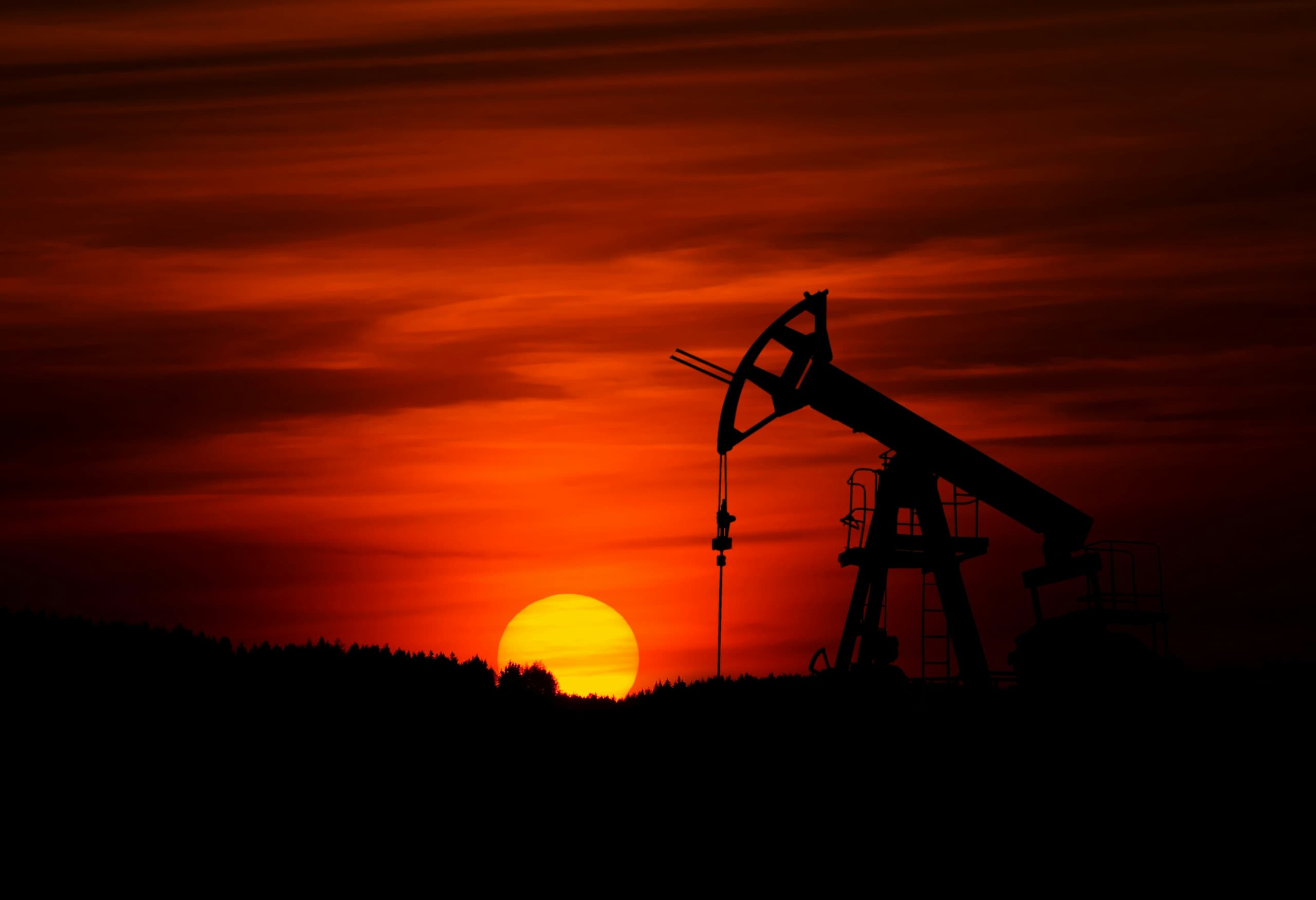
Energy
World's #1 oil & gas producer and top LNG exporter.
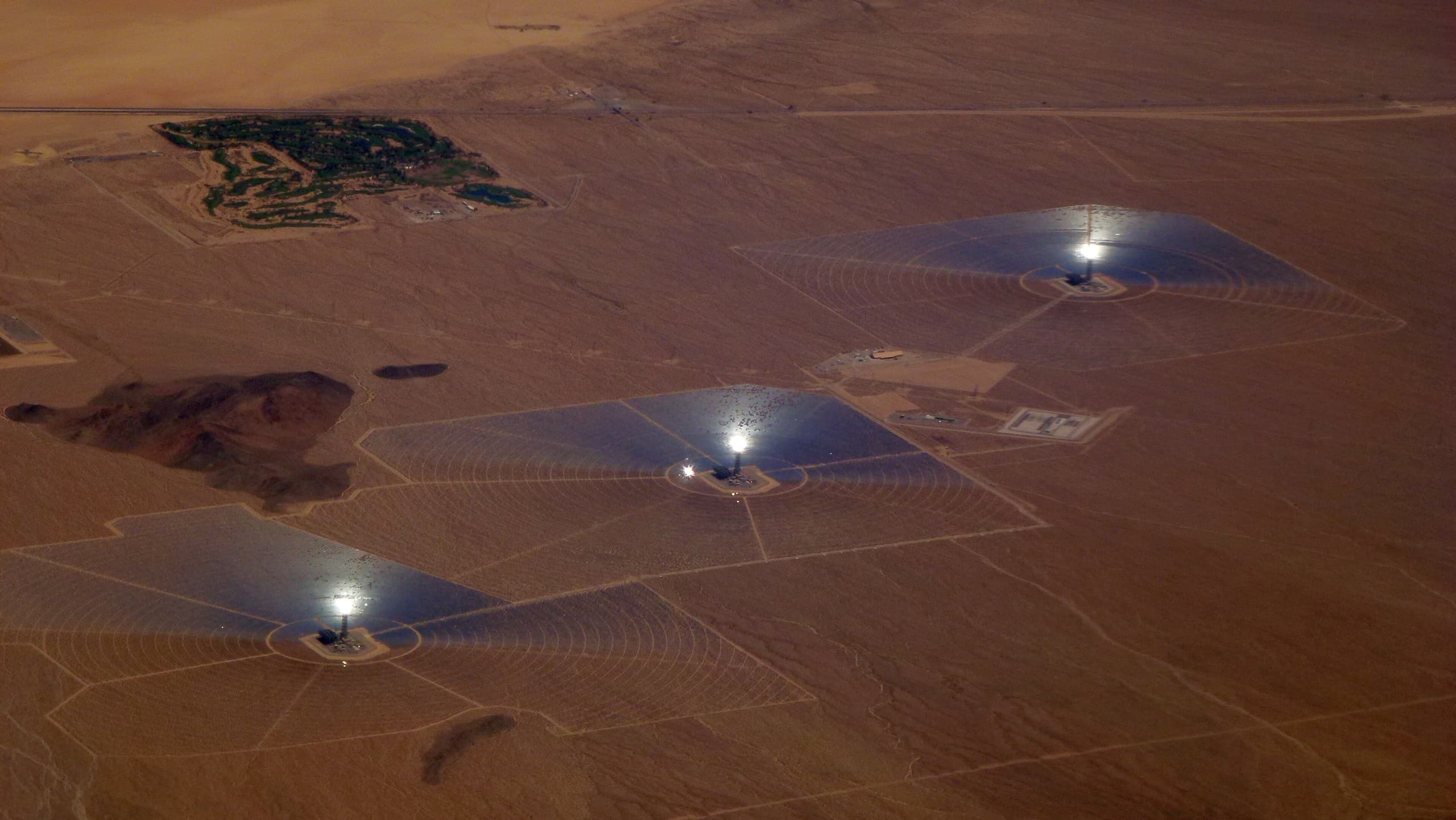
Renewables & Nuclear
The world's largest nuclear fleet, plus hydro, wind, and solar.
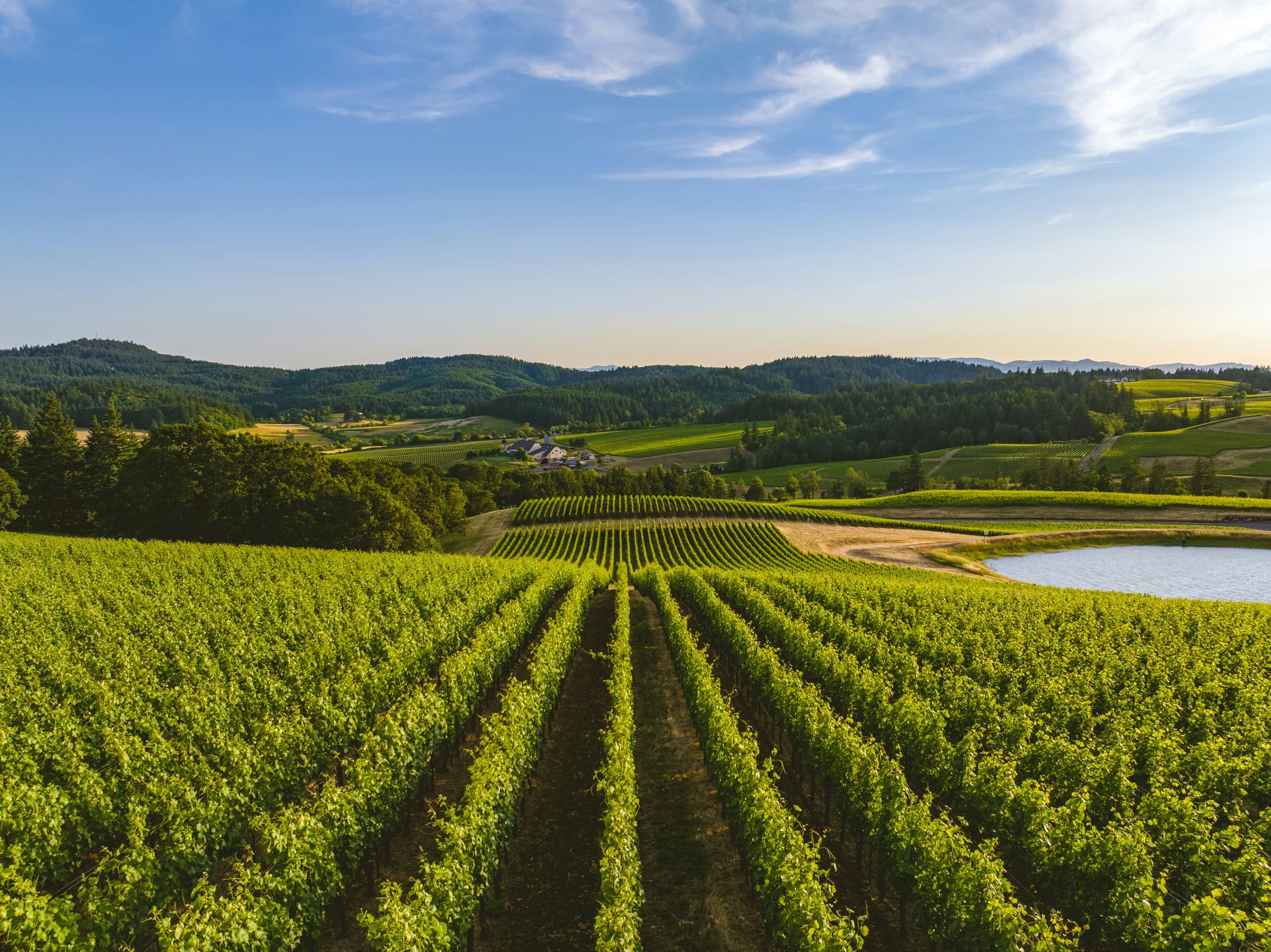
Agriculture
880 million acres feeding the world from the Corn Belt.
Minerals
The largest coal reserves on Earth: plus copper, gold & lithium.
Water
A fifth of the planet's fresh surface water, and the dams that harness it.
Forests & Public Lands
A third of America is forest; 640 million acres are public land.
Energy
The World's Energy Power
America is, once again, the world's foremost energy power. Unlocked by the shale revolution and horizontal drilling, U.S. crude output has surged past every rival: more than Saudi Arabia, more than Russia: to roughly 13 million barrels a day. The country pumps more natural gas than any other on Earth and, in barely a decade, has gone from importer to the largest exporter of liquefied natural gas on the planet.
This is the energy independence that generations of presidents only promised. It powers American industry, heats American homes, and: shipped as LNG from Gulf Coast terminals: now warms Europe and Asia, turning a strategic vulnerability into a strategic weapon.
That dominance is anchored in geology: the Permian Basin of Texas and New Mexico alone pumps more oil than most OPEC nations, while the Marcellus shale makes Appalachia a gas superpower. Backed by the Strategic Petroleum Reserve: the world's largest emergency stockpile: American energy is not just abundant but secure.
Crude Oil Production: Top Producers (2024)
Millions of barrels per day: America leads the world
Source: EIA 2024
Natural Gas Production by Country (2023)
Billions of cubic metres per year
Source: BP Statistical Review
LNG Exports by Country (2023)
Millions of tonnes per year: America leads the world
Source: EIA / GIIGNL 2023
The Great Energy Basins
Permian Basin
~6.3M bbl/d
Marcellus & Utica
~36 Bcf/day
Bakken
~1.2M bbl/d
Eagle Ford
~1.1M bbl/d
Gulf of Mexico
~1.8M bbl/d
Powder River
~40% of U.S. coal
13.2M
The Shale Revolution
Hydraulic fracturing and horizontal drilling unlocked the Permian, Bakken, and Marcellus, doubling U.S. oil output in a decade.
#1 LNG Exporter
In under ten years the U.S. went from gas importer to the world's largest exporter of liquefied natural gas.
Net Energy Exporter
Since 2019 America has produced more energy than it consumes for the first time since 1952.
Strategic Petroleum Reserve
The world's largest emergency crude stockpile underwrites American energy security.
Renewables & Nuclear
Clean Energy at Scale
America's energy power does not stop at oil and gas. The United States operates the largest fleet of nuclear reactors in the world: nearly 100 reactors generating more carbon-free electricity than any other nation: alongside the continent's largest hydroelectric system.
And a new revolution is well underway. U.S. solar and wind capacity has exploded, from wind farms sweeping across the Great Plains to vast solar stations like the towers in the Mojave Desert. The American strategy is all-of-the-above: oil, gas, nuclear, hydro, wind, and solar: the most diversified energy base on Earth.
Nuclear Generation by Country
TWh per year: the largest fleet on Earth
Source: IAEA / EIA 2023
#1 in Nuclear Power
The world's largest reactor fleet produces around 780 TWh of carbon-free electricity a year.
Hydroelectric Power
Thousands of dams make water the nation's largest source of renewable electricity.
The Solar & Wind Boom
U.S. solar and wind capacity has grown many times over in a single decade.
All of the Above
No other nation combines oil, gas, nuclear, hydro, wind, and solar at this scale.
"Let us develop the resources of our land, call forth its powers, build up its institutions, promote all its great interests."
Agriculture
The Breadbasket of the World
Across the vast interior lowlands lies the most productive farmland on Earth. Some 880 million acres: nearly 40% of the nation's land: are given over to farms and ranches, anchored by the Corn Belt's deep, black, glacial soils. The United States is the world's leading producer of corn and a top producer of soybeans, beef, and dairy.
American agriculture feeds far more than Americans. Over $170 billion in farm goods are exported each year, making the U.S. one of the largest food exporters in history: a single Iowa county can out-produce entire nations. Mechanization, biotechnology, and irrigation have turned the heartland into the breadbasket of the world.
This is no accident of soil alone. American farmers pair the world's richest ground with the world's most advanced agriculture: GPS-guided combines, biotech seed, and vast irrigation: so that fewer than 2% of Americans feed the nation and much of the world besides.
Corn Production by Country (2024)
Millions of metric tons: the American heartland feeds the world
Source: USDA FAS 2024
Beef Production by Country (2023)
Millions of metric tons: the world's top producer
Source: USDA FAS 2023
The Corn Belt
The deep glacial soils of Iowa, Illinois, and Nebraska form the most productive grain region on the planet.
880 Million Acres
Nearly 40% of all U.S. land is farm and ranch: about two million working farms.
$170B+ in Exports
America is one of the largest food exporters in history, feeding hundreds of millions abroad.
#1 Beef Producer
America raises more beef than any nation on Earth: about 12 million tonnes a year.
Top Agricultural Commodities
Corn
#1
Soybeans
#2
Beef
#1
Dairy
~103B lb
Poultry
#1
Wheat
~45M t
"Agriculture is our wisest pursuit, because it will in the end contribute most to real wealth, good morals, and happiness."
Technology
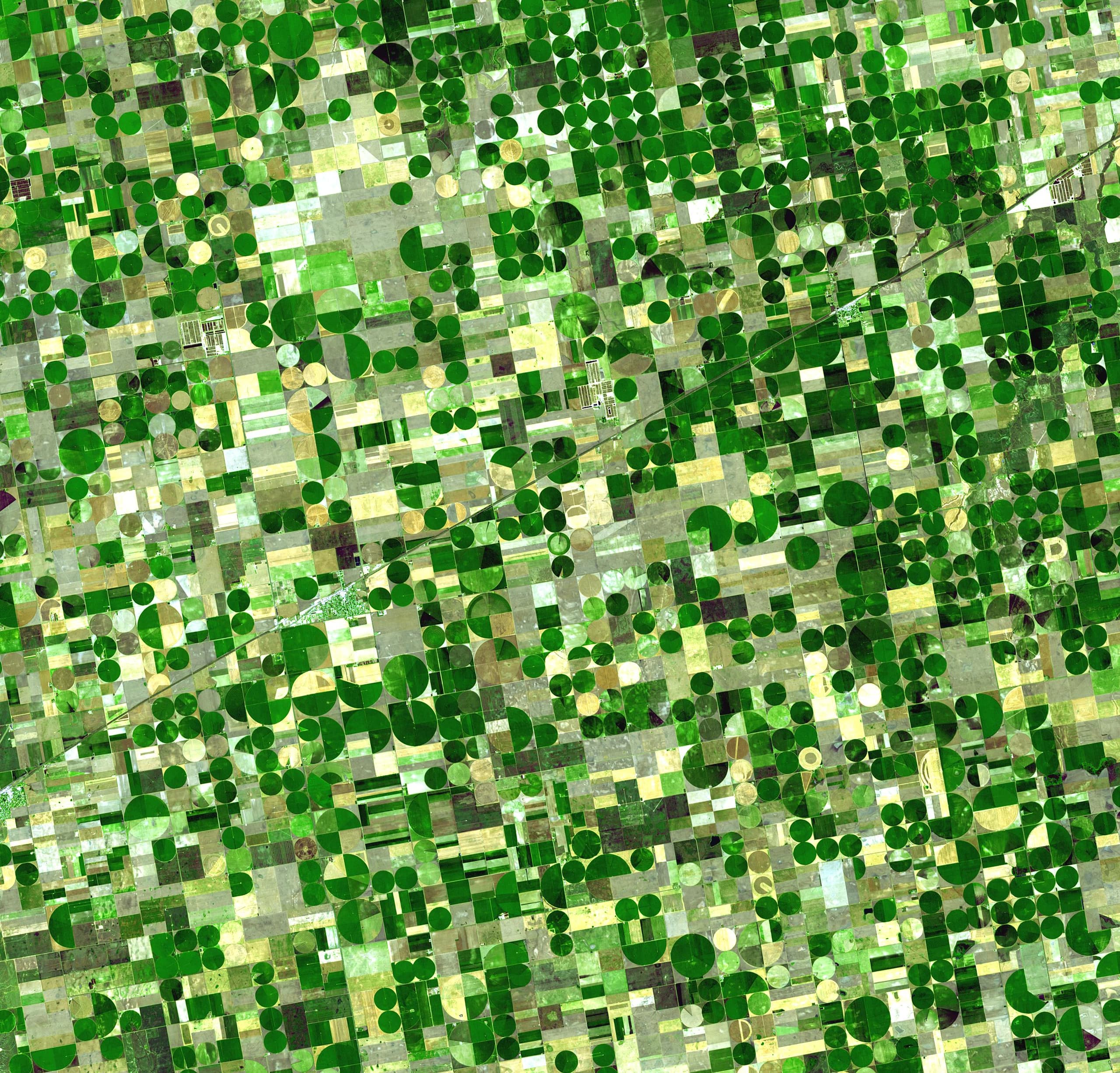
Center-Pivot Irrigation Circles
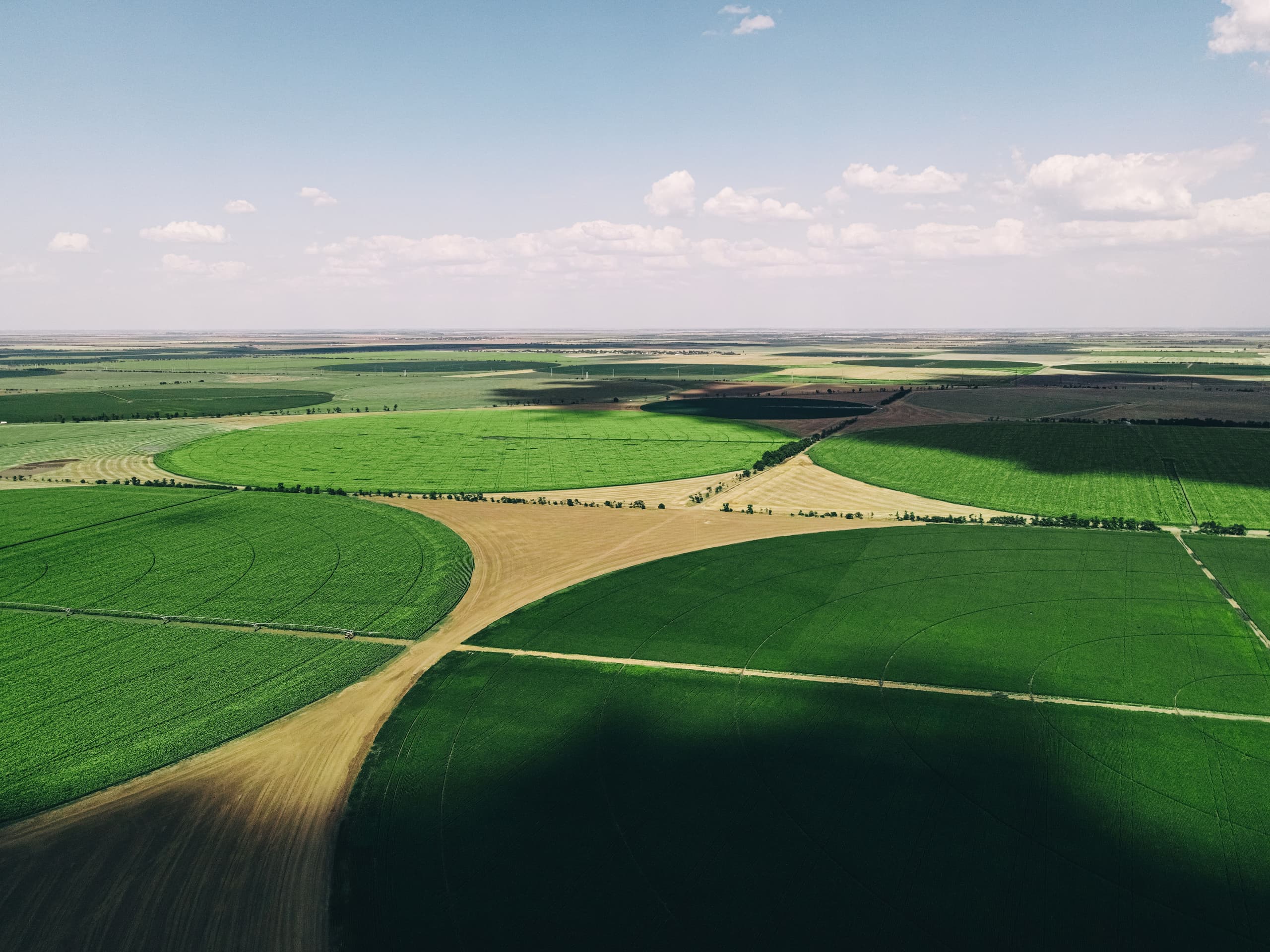
First patented in 1948 by Nebraska farmer Frank Zybach, center-pivot irrigation transformed the arid American Great Plains into a highly productive agricultural powerhouse. By tapping into the vast Ogallala Aquifer, these self-propelled rotating sprinkler systems distribute water with extreme precision, conserving resources while maximizing crop yields.
From above, this engineering creates a striking geometric grid of green circles across the landscape: each circle typically covering a standard 160-acre quarter-section. Today, center-pivot systems irrigate tens of millions of acres in states like Kansas, Nebraska, and Texas, turning the heart of the continent into an engine of global food security.
160 Ac.
1948
Minerals
The Fortune Beneath the Soil
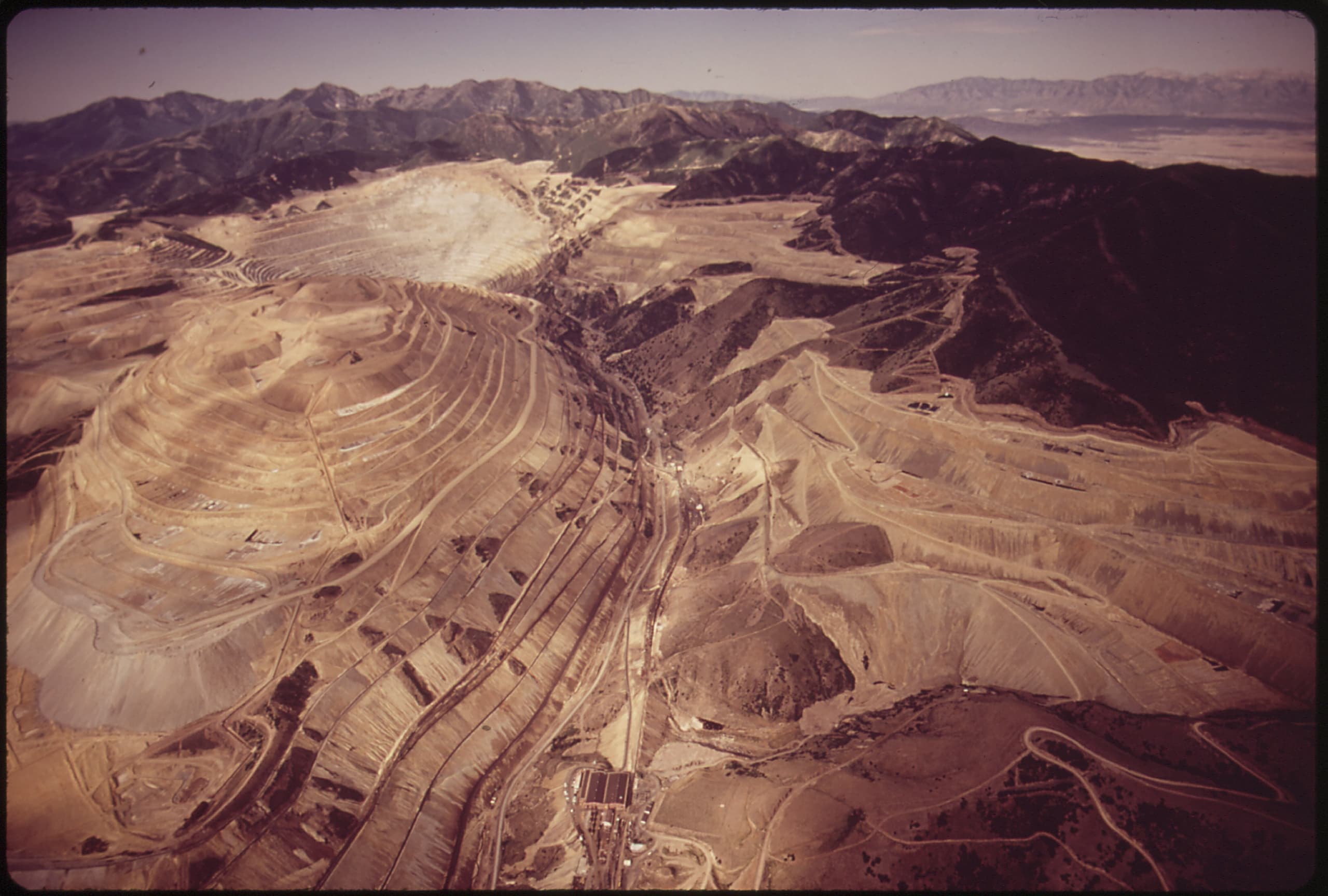
Beneath the soil lies a second fortune. The United States holds the largest recoverable coal reserves of any country: roughly a quarter of the world's total: alongside world-class deposits of copper, gold, and the building-block metals of industry. The terraced, mile-deep Bingham Canyon Mine in Utah is among the largest human excavations on Earth.
Now a new mineral rush is underway. Mountain Pass in California is the Western Hemisphere's premier rare-earth mine, and Nevada's Thacker Pass holds one of the largest known lithium deposits in the world: the metals of batteries, magnets, and the technologies that will define the coming century.
From the gold of Nevada's Carlin Trend to the copper of Arizona and the potash of the Plains, the American crust supplies the raw materials of industry. The challenge of the century is not whether the minerals exist, but reshoring the mines and refineries to turn that geology into independence.
Recoverable Coal Reserves by Country
Billions of metric tons: the largest reserves on Earth
Source: EIA / BP Statistical Review
Strategic Minerals
Coal
#1
Copper
Top 5
Gold
Top 5
Lithium
Surging
Rare Earths
Mountain Pass
Potash & Phosphate
Key
Largest Coal Reserves
The U.S. holds roughly a quarter of the world's recoverable coal: more than any other nation.
Bingham Canyon
Utah's mile-deep copper pit is one of the largest open excavations ever made by humankind.
Rare Earths & Lithium
Mountain Pass and Nevada's Thacker Pass are reshoring the critical minerals of the battery age.
Water
A Wealth of Fresh Water
Water may be the rarest of America's resources: and the country is extraordinarily rich in it. The Great Lakes alone hold about 21% of the world's surface fresh water; the Mississippi–Missouri system drains 41% of the contiguous United States and ranks among the largest river basins on Earth; and the vast Ogallala Aquifer irrigates much of the High Plains.
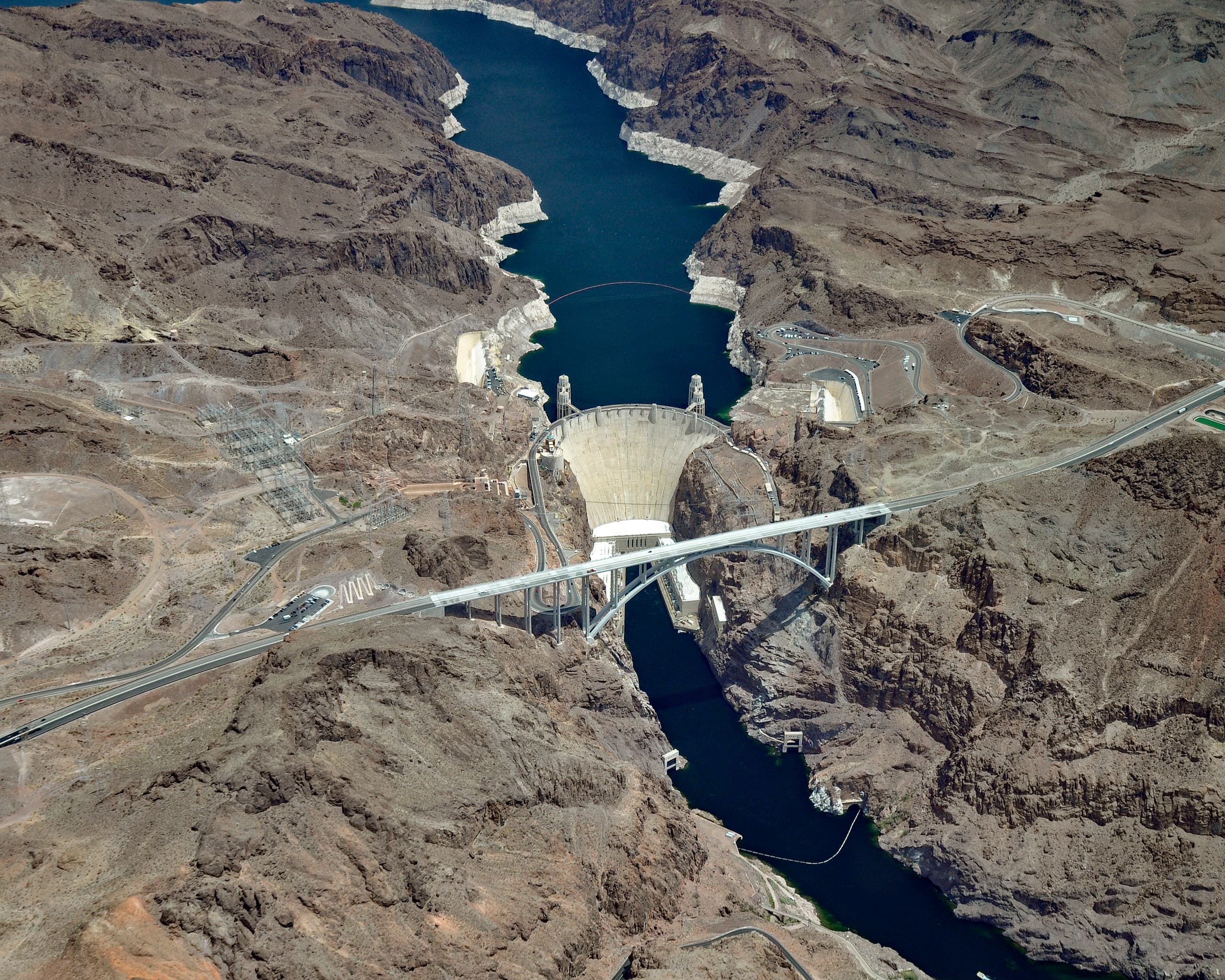
That water is also power. Thousands of dams: from the engineering monument of Hoover Dam to the Columbia and Tennessee systems: turn falling water into the nation's largest source of renewable electricity, while locks and channels carry a continent's worth of grain, coal, and goods to the sea.
And the water moves the nation's wealth. The Mississippi and its tributaries form the busiest inland waterway on Earth, carrying barges of grain, coal, and steel from the heartland to the Gulf: a 12,000-mile liquid highway no rival can match.
21% of Fresh Water
The five Great Lakes hold a fifth of all the surface fresh water on Earth.
The Mississippi Basin
Drains 41% of the lower 48 states and ranks among the largest river systems on the planet.
The Ogallala Aquifer
One of the world's great underground reservoirs, irrigating much of the High Plains breadbasket.
Hydroelectric Power
Thousands of dams make falling water the nation's largest source of renewable electricity.
The Great Water Systems
Great Lakes
21%
Mississippi–Missouri
~3,900 mi
Colorado River
40M people
Columbia River
#1 Hydro
Ogallala Aquifer
8 states
Forests & Public Lands
A Third of America is Forest
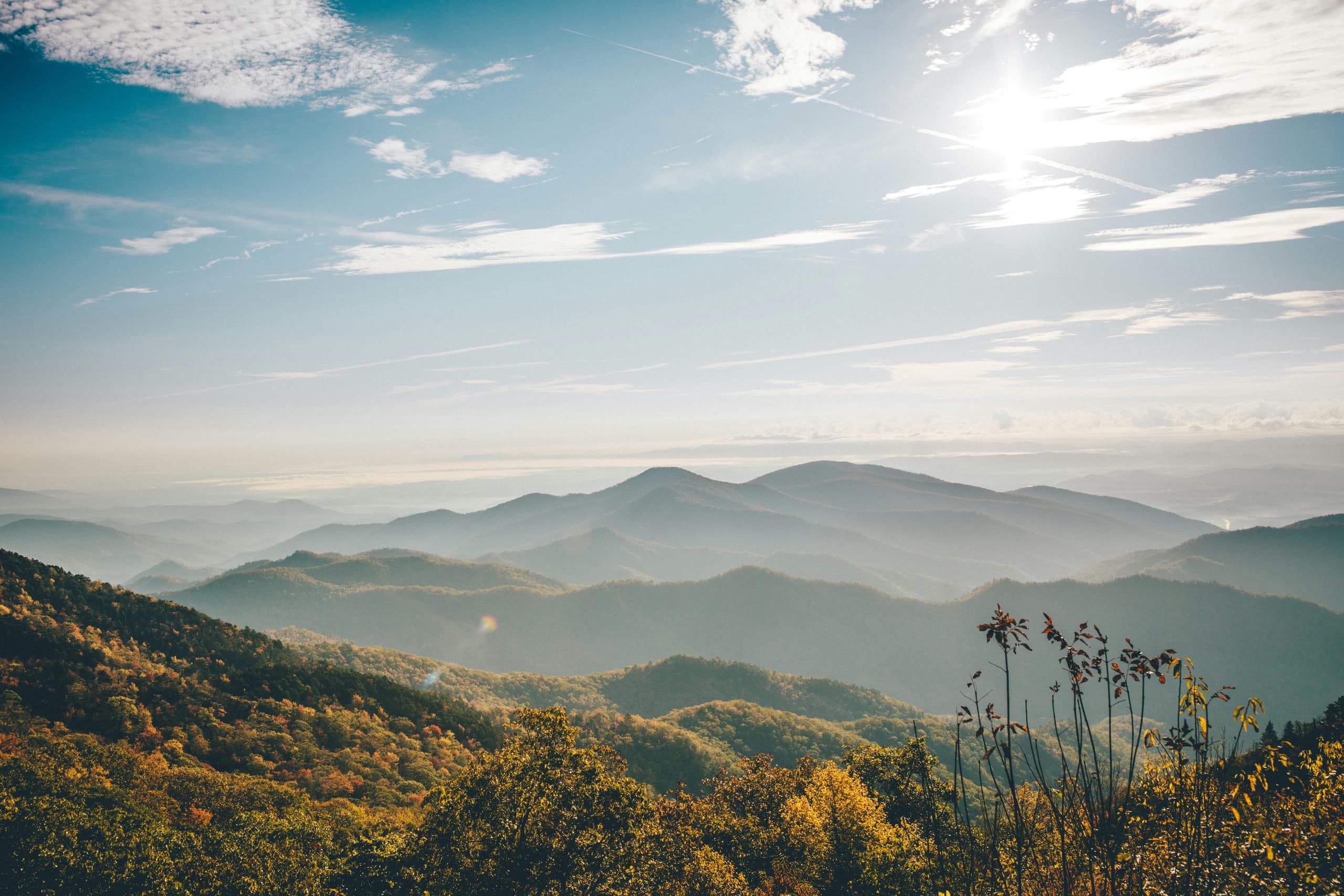
A third of America is forest. Some 820 million acres of woodland blanket the nation: from the temperate rainforests of the Pacific Northwest and the giant sequoias of California to the autumn-blazing hardwoods of Appalachia. Alaska's Tongass is the largest national forest, a temperate colossus.
Much of this wealth is held in common. The federal government manages roughly 640 million acres: nearly 28% of the nation's land: including 193 million acres of national forest and the national park system. It is the largest public-land estate in the developed world: timber, range, recreation, and wilderness, owned by the people.
820M Acres of Forest
Woodland covers nearly a third of the United States' land area.
640M Federal Acres
Almost 28% of America is public land, held in common by the nation.
193M Acres of National Forest
The National Forest System stewards timber, water, and wilderness.
640M
Timeline
Milestones of American Resource Power
"The conservation of natural resources is the fundamental problem. Unless we solve that problem it will avail us little to solve all others."
The Visual Record
The Wealth in Pictures
From the Spindletop gusher to the Hoover Dam, from the Corn Belt to the copper pits: the photographs that captured how America harnessed its resources.
Oil & Energy
The Spindletop Gusher1901
The massive Texas strike that birthed the modern petroleum industry, breaking global energy monopolies and fueling the American century with cheap, abundant domestic oil.
Beaumont, Texas
The Trans-Alaska Pipeline1977
800 miles of steel pipe across frozen tundra and mountain ranges: a logistical triumph that secured American energy independence during the OPEC embargoes.
Alaska
The Permian Basin Shale BoomPresent
The peak of the shale revolution: brilliant private-sector engineering that shattered 'peak oil' and re-established the U.S. as the undisputed global energy superpower.
Texas
Standard Oil Refineriesc. 1890
Rockefeller's sprawling complex standardized kerosene, drove down prices, and lit the world: the definitive image of hyper-efficient American capitalism.
Cleveland, Ohio
Offshore Drilling in the Gulfc. 1980
Massive deepwater platforms defying extreme elements to extract crude: a triumph of private-sector risk-taking and mechanical engineering.
Gulf of Mexico
The Strategic Petroleum Reserve1977
Vast underground salt caverns storing millions of barrels of crude: the ultimate national-security asset shielding the economy from volatile foreign cartels.
Louisiana
First LNG Export, Sabine Pass2016
The exact moment America pivoted from energy dependence to aggressively exporting natural gas to allies, directly undercutting rival monopolies.
Texas
Roughnecks on a Texas Derrickc. 1939
The gritty, unapologetic labor force that actually powers the modern economy: oil-soaked workers wrestling heavy iron.
Texas
Agriculture
The McCormick Reaperc. 1890
The mechanical revolution of the harvest that destroyed the threat of mass famine and freed millions to fuel the industrial revolution.
United States
The American Cattle Drivec. 1890
Cowboys working the open range: the quintessential image of American beef production and the rugged scale required to feed a booming nation.
Western U.S.
Grain Elevatorsc. 1920
Massive concrete silos towering over rail and water, where raw Midwest grain met the financial markets to set global food prices.
Great Lakes
The Corn BeltPresent
The most productive, highest-yielding contiguous block of agricultural land in human history: proof of property rights and scientific farming.
Iowa
The John Deere Model D1923
The rugged, mass-produced machine that permanently replaced the horse: a free-market innovation that radically multiplied crop yields.
United States
Barges on the Inland WaterwayPresent
Towboats pushing Midwest grain and soy down to the Gulf: the most cost-efficient, naturally integrated agricultural supply chain in the world.
Mississippi
The Combine HarvestPresent
Combines reap a wheat field with the precision of a military operation on private property across the open Plains.
Kansas
Norman Borlaug1970
The American agronomist who engineered dwarf wheat, saving a billion lives and destroying Malthusian doomsday predictions of mass starvation. Nobel Peace Prize, 1970.
United States
Mining & Minerals
The Forty-Niner1849
The ultimate high-risk, high-reward entrepreneurial migration of the Gold Rush that rapidly settled the American West.
California
The Bingham Canyon MinePresent
The largest man-made excavation on Earth: a terraced copper mine providing the bedrock material to wire the global grid and power the digital age.
Utah
The Mesabi Iron Rangec. 1900
The raw, heavy-industrial extraction that fed the blast furnaces of Pittsburgh and literally built the steel skeleton of modern America.
Minnesota
Coal of Appalachia1902
The gritty, blue-collar backbone of the industrial revolution, supplying the cheap, high-density power that ran the factories and rail networks.
Pennsylvania
The Mountain Pass Rare Earth MinePresent
Reviving domestic rare-earth extraction: a critical strategic pivot to break the foreign monopoly on the minerals required for modern tech and defense systems.
California
The Homestake Gold Minec. 1890
The deepest, largest gold mine in North America: pure, high-risk wealth extraction that backed the American dollar and fueled economic expansion.
Lead, South Dakota
Powder River CoalPresent
Unit trains over a hundred cars long stretching across the plains: the high-density baseline energy that reliably keeps the American grid online.
Wyoming
The Anaconda Smelter Stack1919
The tallest masonry structure in the world: a monument to the sheer scale of the American copper industry that physically wired the nation.
Montana
Water & Timber
Building the Hoover Dam1931–1936
High-scalers above the Colorado: the ultimate victory of American engineering taming a hostile river into hydroelectric power and irrigation.
Black Canyon
Logging the Pacific Northwestc. 1900
Lumberjacks beside a massive Douglas fir: the timber reserves milled to build millions of affordable homes across the continent.
Washington
The Grand Coulee Dam1942
Immense, cheap electrical power that ran the aluminum smelters which built American aircraft during World War II.
Columbia River
The Erie Canal at Lockportc. 1855
The vital early infrastructure that connected the Great Lakes' resources to the Atlantic, instantly transforming New York into a global commercial empire.
New York
Managed TimberlandsPresent
Actively managed, privately owned forests: proof that profit-driven stewardship and sustainable replanting thrive under private ownership.
Pacific Northwest
The California AqueductPresent
Concrete channels defying geography to move water hundreds of miles, transforming an arid desert into the most productive agricultural engine on the planet.
Central Valley
Steam Donkeys in the Redwoodsc. 1890
The mechanical muscle of steam winches that allowed lumberjacks to scale up operations and build the expanding Western frontier.
California
The Glen Canyon Dam1966
Holding back Lake Powell: a hydroelectric and water-storage fortress that sustains the American Southwest against natural drought cycles.
Arizona
Geography of the United States
The geography of the United States encompasses a vast and varied physical landscape across 9,833,517 square kilometers (3,796,742 square miles) of land and water, primarily in North America but extending to the Arctic via Alaska and the Pacific via Hawaii, featuring expansive central plains, western mountain ranges suc…
The Ask America Oracle
Ask the AI Oracle about American shale oil abundance, agricultural yields, clean water infrastructure, or rare earth mineral reserves.