WHATWORKS
America's one native philosophy: truth as an instrument for navigating the world, not as a static mirror of nature. From Peirce to Dewey.
A philosophy of practical consequences
Pragmatism emerged in the late 19th century as an alternative to European metaphysical systems. Instead of asking where our ideas come from or whether they reflect an ideal realm, pragmatism asks what difference they make in real life. An idea is true if it works: if it helps us make better predictions, organize our actions, and improve our experience. It is a philosophy deeply tied to the experimental spirit of American democracy.
William James and the Cash Value of Truth
In his 1907 lectures on 'Pragmatism,' William James popularized the method using a famous metaphor. The passage below is extracted from those essays. Click any underlined phrase to analyze its argument.
Pragmatism asks its usual question. 'Grant an idea or belief to be true,' it says, ' in anyone's actual life? How will the truth be realized? What experiences will be different from those which would obtain if the belief were false? What, in short, is the ?' ... Truth lives, in fact, for the most part on a credit system. Our thoughts and beliefs 'pass' so long as nothing challenges them, just as bank-notes pass so long as nobody refuses them.
Pick an underlined phrase to analyze William James's argument about the cash-value of truth.
The true is the name of whatever proves itself to be good in the way of belief, and good, too, for definite, assignable reasons.
Charles Sanders Peirce and the Pragmatic Maxim
Pragmatism began in the 1870s in Cambridge, Massachusetts, within the informal discussions of the 'Metaphysical Club.' It was Charles Sanders Peirce, a brilliant and eccentric logician, who first formulated the core maxim in his 1878 essay 'How to Make Our Ideas Clear.' Peirce argued that to understand any concept, we must simply examine what physical, observable effects we conceive it to have. Our conception of those practical effects is the entirety of our conception of the object. For Peirce, philosophy was not a flight into abstract metaphysics, but a method of clarification to aid empirical inquiry.
John Dewey and the Democratic Experiment
While Peirce designed the method and James popularized it, John Dewey applied pragmatism to the structural institutions of American life: education and democracy. Dewey's Instrumentalism viewed thoughts as tools for problem-solving. In education, he rejected rote memorization in favor of 'learning by doing,' turning classrooms into active laboratories of experience. In politics, he argued that democracy is not a static set of rules, but a cooperative, experimental way of life. For Dewey, a democratic society is a community engaged in continuous, rational experimentation to solve shared problems and expand human capability.
Primary Source Library & eBooks
Download complete digital editions (EPUB format) of key classic works relevant to this chapter.
Pragmatism
William James
The Will to Believe
William James
The Principles of Psychology
William James
How We Think
John Dewey
Experience and Nature
John Dewey
The Wealth of Nations
Adam Smith
Capitalism and Freedom
Milton Friedman
Free to Choose
Milton & Rose Friedman
Basic Economics
Thomas Sowell
A Conflict of Visions
Thomas Sowell
A Patriot's History of the US
L. Schweikart, M. Allen
Intellectuals and Race
Thomas Sowell
Not Stolen
Jeff Fynn-Paul
Atlas Shrugged
Ayn Rand
A Teacher's Guide to Land of Hope
Wilfred M. McClay & John McBride
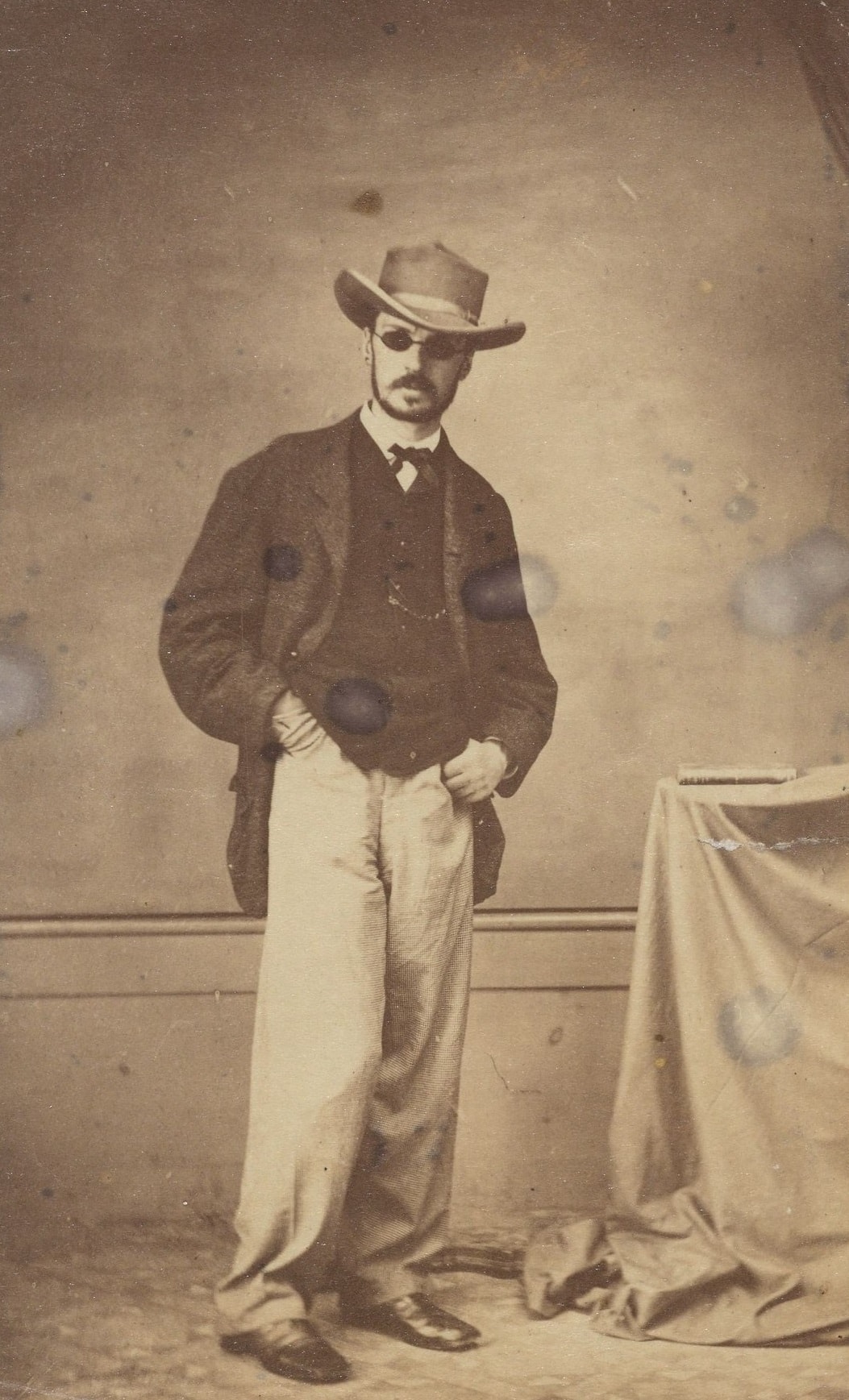
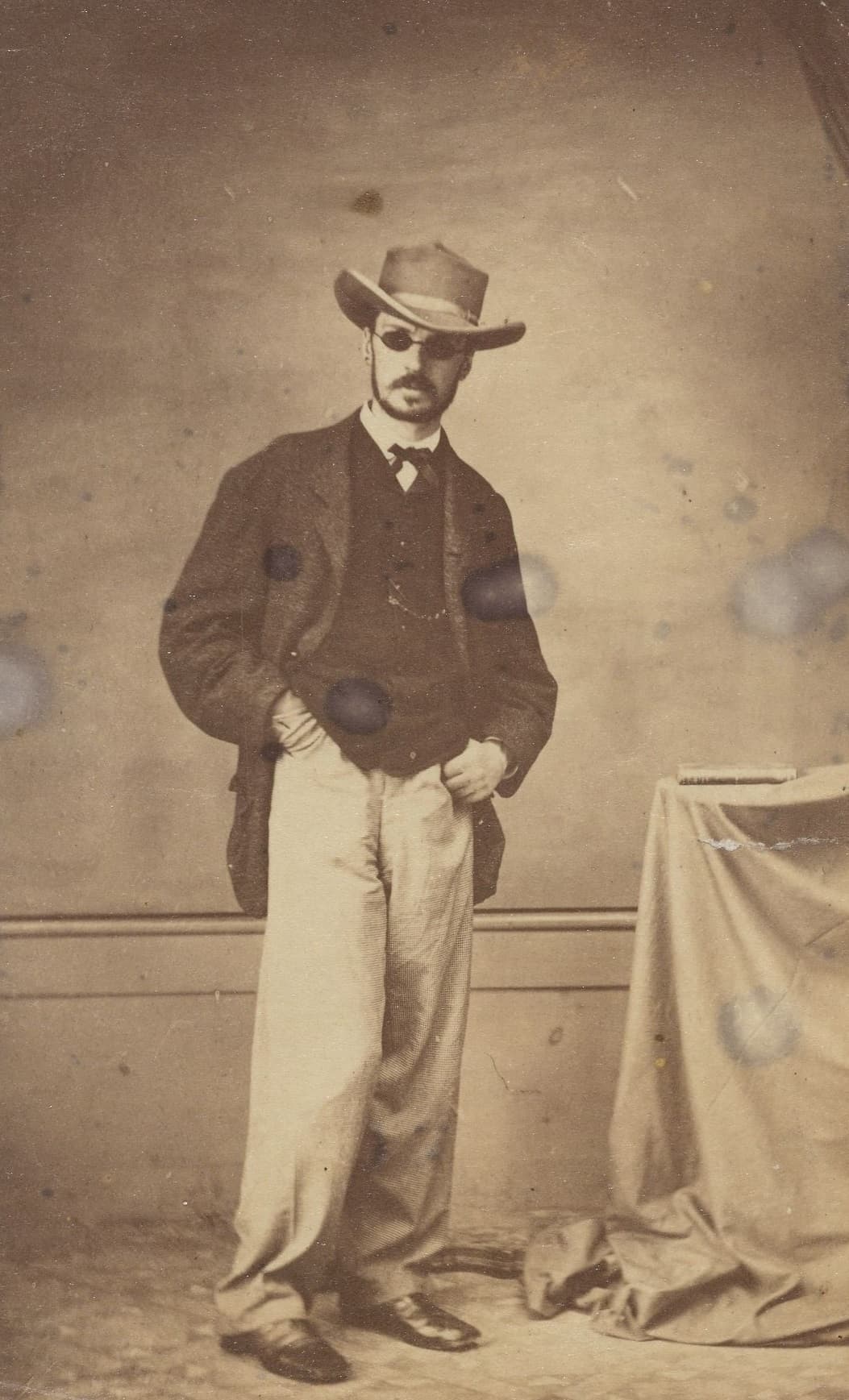
Imagery: 19th-century portraits in the public domain, via Wikimedia Commons.
← All literature and philosophy topics