CALL MEISHMAEL
An American novel announces its intentions in its first sentence. Six openings across a century, and what each one promises about the book behind it.
The opening as a declaration
American novelists have treated the first sentence differently from their European contemporaries. They treat it as a statement of method rather than a simple ramp into the story: here is the kind of English this book will use, here is who is speaking, and here is what I am not going to tell you. Melville opens on an alias. Twain opens by refusing literary grammar. Ellison opens on an impossibility. Each of these sentences is a contract.

Six openings
Pick a title on the right. The sentence stays in English in both languages: a translated first line is a different sentence, and its rhythm is precisely what is under discussion. The commentary is translated.
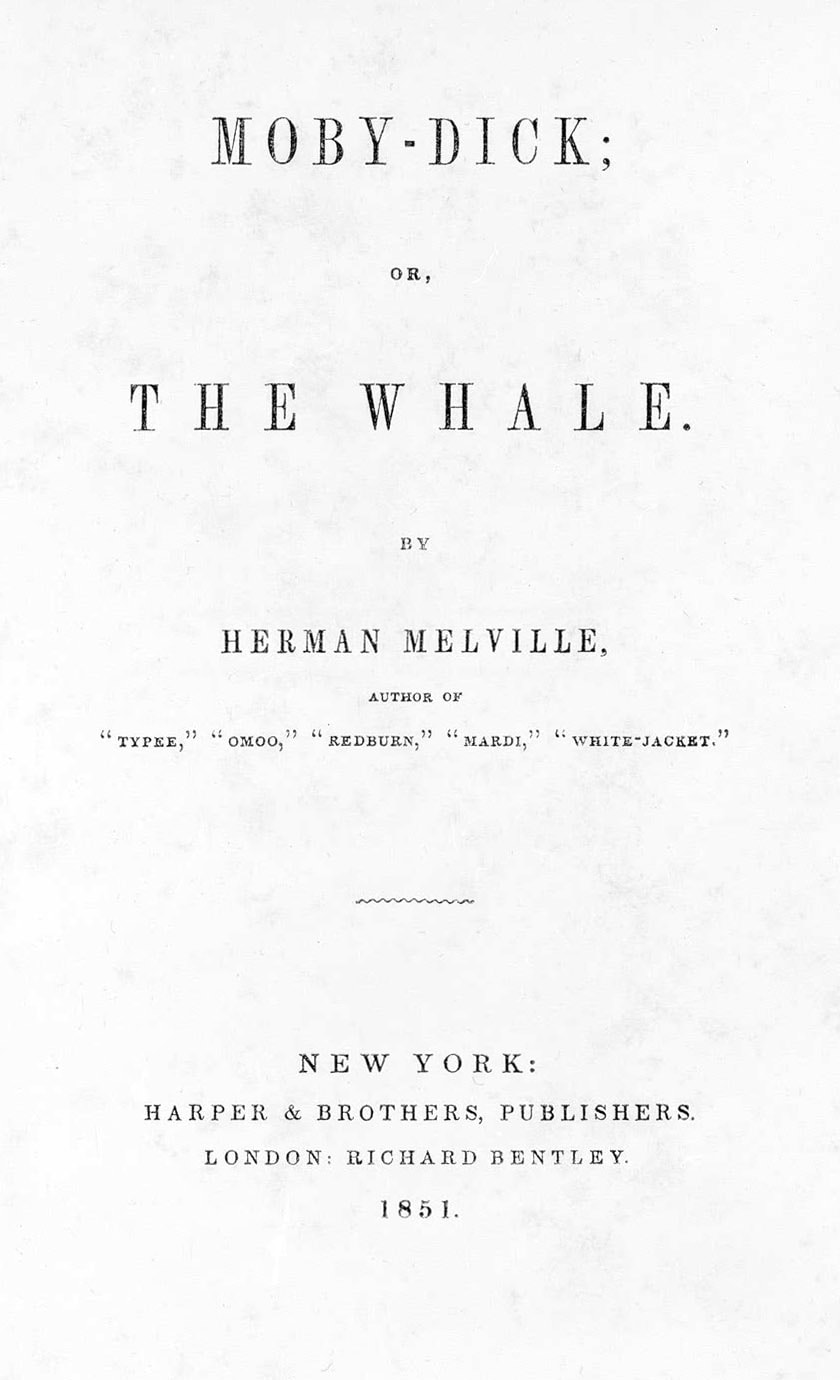
“Call me Ishmael.”
Three words, and two of them are doing work. Not 'my name is' but 'call me': an alias, offered by a narrator who never quite explains himself. And Ishmael is the son cast into the wilderness in Genesis, so before the voyage begins the reader has been handed an outcast and a biblical frame. No other American novel opens with less and implies more.
Public domain: you can read the whole book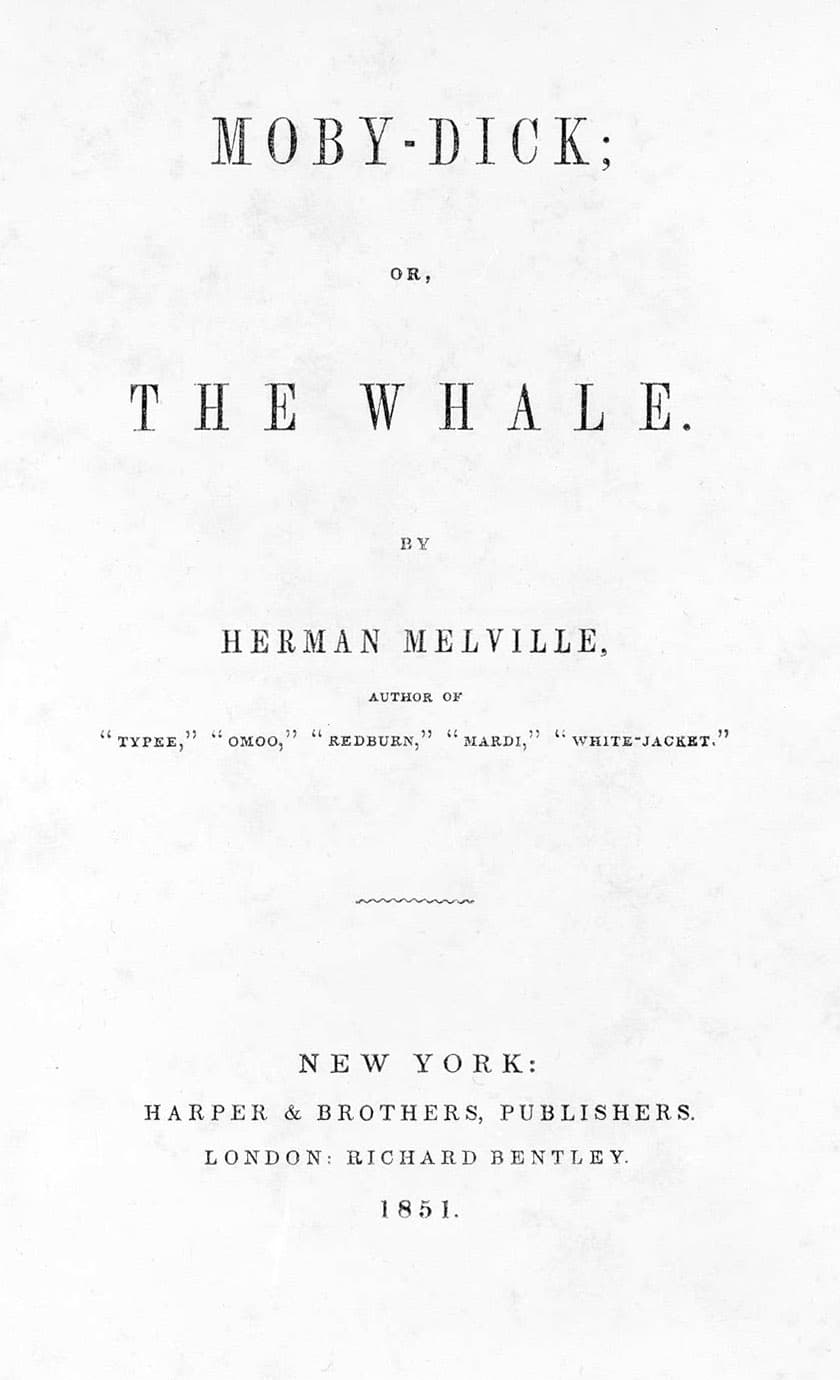
All modern American literature comes from one book by Mark Twain called Huckleberry Finn.
What changed in a century
Put them in order and the drift becomes visible. In 1851, a three-word sentence carrying biblical weight. In 1884, a child's spoken grammar raised to literature. In 1925, a narrator arguing for his own honesty. In 1937, a proverb standing in for a plot. In 1952, an impossibility stated in the present tense. The English keeps moving closer to speech, and the narrator keeps becoming less reliable.
Primary Source Library & eBooks
Download complete digital editions (EPUB format) of key classic works relevant to this chapter.
Moby-Dick
Herman Melville
Adventures of Huckleberry Finn
Mark Twain
The Great Gatsby
F. Scott Fitzgerald
The Sun Also Rises
Ernest Hemingway
Invisible Man
Ralph Ellison
Beloved
Toni Morrison
The Grapes of Wrath
John Steinbeck
Imagery: public domain or no-restrictions, via Wikimedia Commons. Quotations are single opening sentences, used with attribution and commentary.
← All literature and philosophy topics