
GROWING UPAMERICAN
The texture of an American childhood and adolescence: the Hasbro toy canon, the toy symbols frozen in the Victorian era, the big-seven school supplies, and the clichés of the Hollywood high school.
“Very few cultural traditions are more than 150 years old. Almost everything in the American childhood dates to either the innovations of the late 19th century or the postwar era.”
From the toys we collect and the symbols we use to picture them, to the supplies we shop for and the high-school clichés we export worldwide, the American childhood is a canon of its own, built mostly in two bursts of invention and abundance.
ONE COMPANY'S EMPIRE
THE AMERICAN TOY CANON
Eight of the most iconic modern American toys, and the story underneath them: nearly all became the property of one Rhode Island company, Hasbro. Click any of them.
 Hasbro, in-house
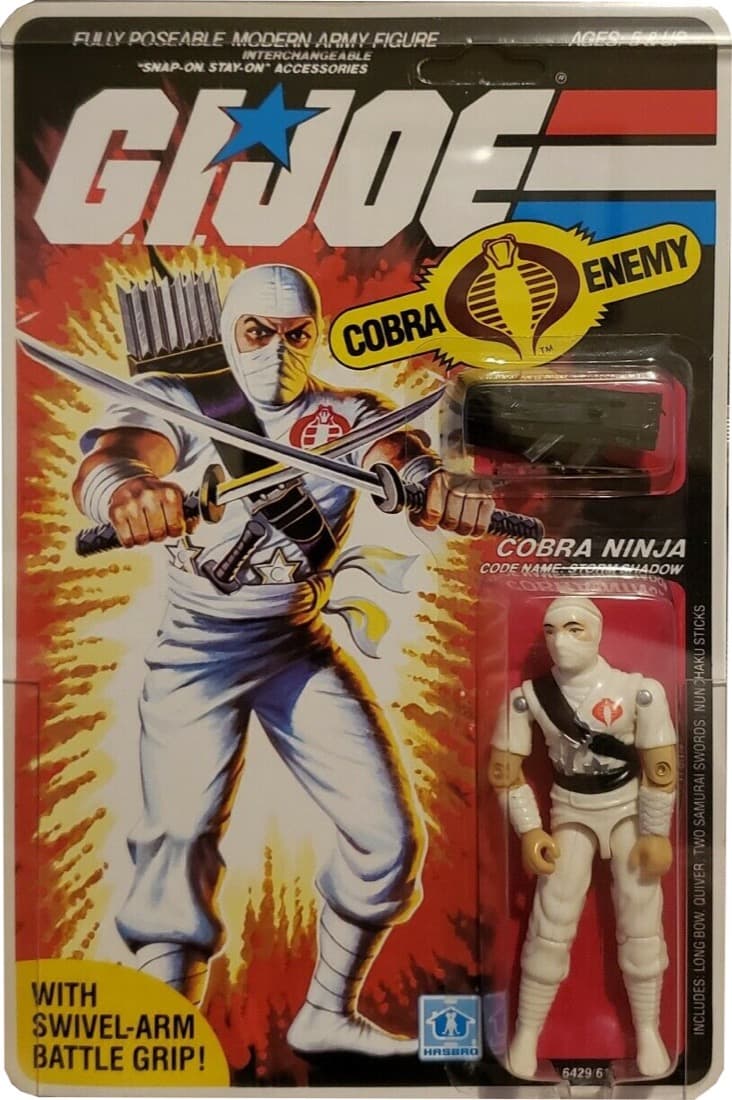
G.I. Joe
1964G.I. Joe is the most successful toy Hasbro ever developed itself, and a barometer of America's mood on the military. In the early 1960s Hasbro tried to sell dolls to boys, and to beat the girly stigma they gave the doll the most macho job imaginable, army guy; many Hasbro executives were WWII or Korea veterans. The 1964 release sold well, but that same year the Gulf of Tonkin incident escalated Vietnam, the war turned deeply unpopular, and mothers stopped buying toys that glorified it. Sales collapsed, Hasbro softened him into "Super Joe," and retired him in the 1970s. Then the Reagan-era 1980s made the military cool again, and Joe returned as a "Real American Hero" fighting Cobra, now action figures backed by comics, a cartoon, and games, a whole universe. It was the new logic of toys: the toy alone was no longer enough. Joe was also among the first major American toys made overseas, in a war-devastated Japan glad for any work.
Only two of the eight were invented by Hasbro itself. The company the Hassenfeld brothers, Polish immigrants, founded in Rhode Island in 1923 built a billion-dollar-a-year empire not by inventing toys but by buying them, along with the companies that made them: Kenner, Milton Bradley, Parker Brothers, Cap Toys. The glaring absence from this Hasbro canon is the most iconic toy of its great rival Mattel: Barbie.
FROZEN IN THE VICTORIAN ERA
WHY TOY SYMBOLS ARE SO OLD
When we picture "a toy" in a cartoon, in clip art, on a Christmas ornament, we reach for a frozen, weirdly dated set. The culprit is Victorian Christmas. Click any symbol.
Tin plate & clockwork
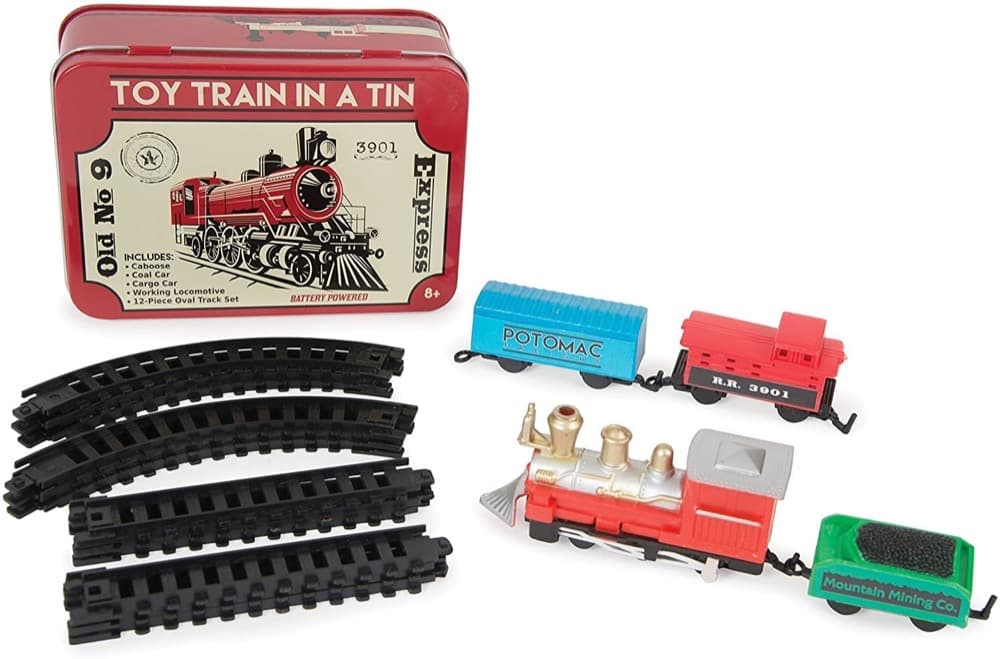
The Toy Train
The train is a pinnacle of the 19th-century toy. Once metal became cheap to mold, firms that had made pots or pocket watches turned to tin plate (thin steel coated in tin) and clockwork, the wind-up gears and springs that let a toy move on its own. A toy train counted as the finest children's entertainment of the age, and Victorian parents gave boys trains partly to steer them toward becoming engineers, one of the era's most valued professions.
IMPORTED FROM EUROPE, TWEAKED HERE
THE SCHOOL SUPPLIES CANON
The thrill of shopping for school supplies hides seven objects with long European histories, from English graphite to the French ballpoint. Click any of them.
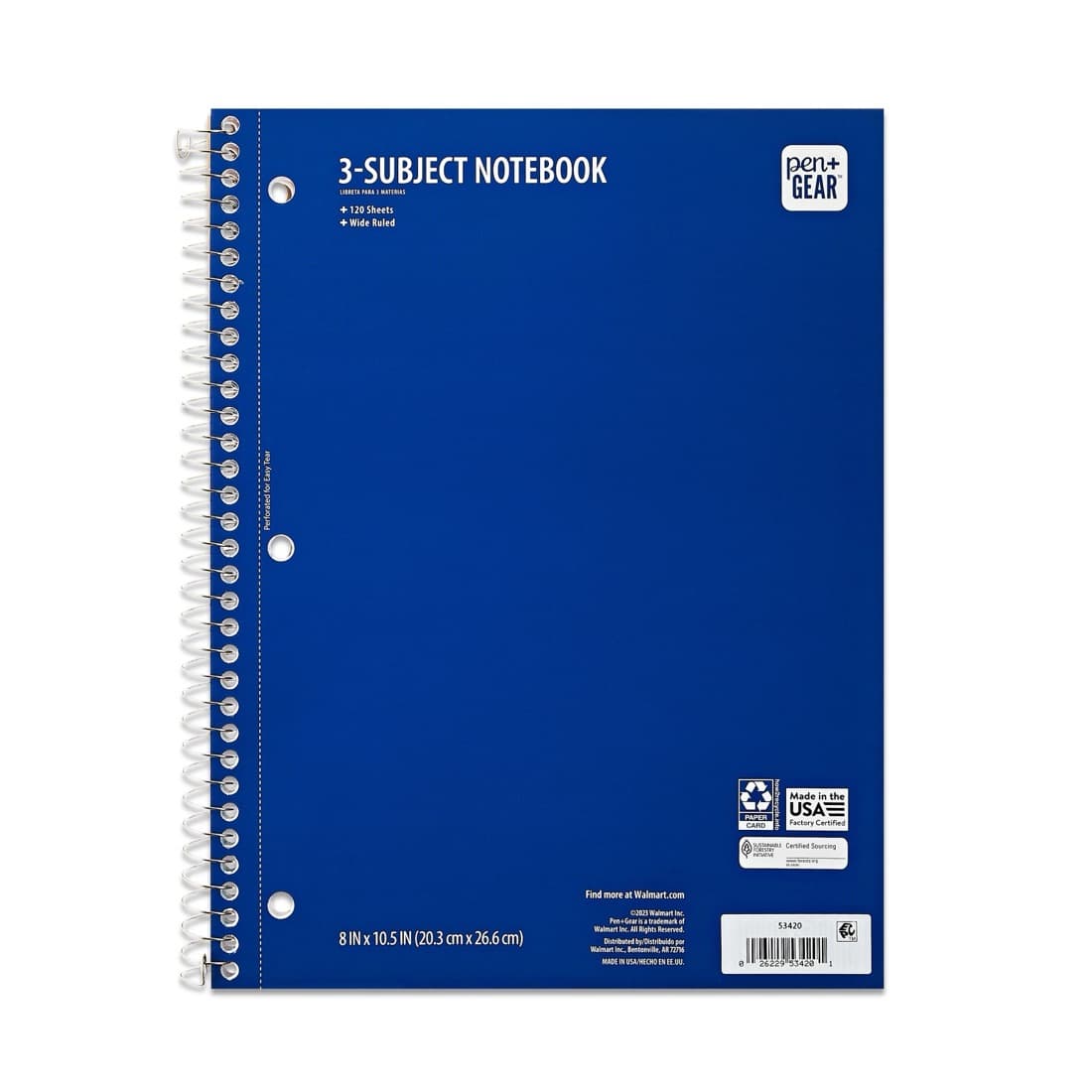
Arab → Italian, 1200s
Paper
For most of European history, writing happened on stone, wax, and parchment, dried animal skin so costly that one sheep yielded about seven sheets, which mattered little when almost no one could read. Paper, a synthetic parchment of dried cotton mush, was picked up from Arab neighbors by the Italians in the 1200s; the city of Fabriano claims to have invented the European kind, and the Fabriano company, founded in 1264, still sells art paper today. Paper spread just as Gutenberg's press drove demand for it. The American chapter came in the 1860s, when a German immigrant in Massachusetts, Albrecht Pagenstecher, imported wood-pulp paper technology; with a whole continent of trees, he founded what became International Paper and displaced Europe as the world's paper superpower. Even the ruled blue lines are an invention: William Hickok of Harrisburg, Pennsylvania built the modern paper-ruling machine in the 1840s.
Unlike almost everything else in these pages, school supplies are not American inventions. Nearly all arrived from Europe fully formed, with Americans making only minor tweaks. America's contributions were the wood-pulp paper industry, the Crayola brand, and, oddly, the very word "eraser."
AMERICA'S MOST-EXPORTED SETTING
THE HIGH SCHOOL CLICHÉS
American high school runs on a fixed roster of clichés, exported worldwide through film and TV. Each stock figure hides a real history. Click any of them.
American high school evolved out of early-19th-century academies, where wealthy parents sent their boys for a few years before college. In the mid-1800s, German-inspired reformers introduced the age-sorting we know today: elementary school, then a four-year secondary school, then university. By the early 20th century high school had become part of the public system every child passed through, and child-labor laws and the move off the farm kept teenagers in school until around 18.
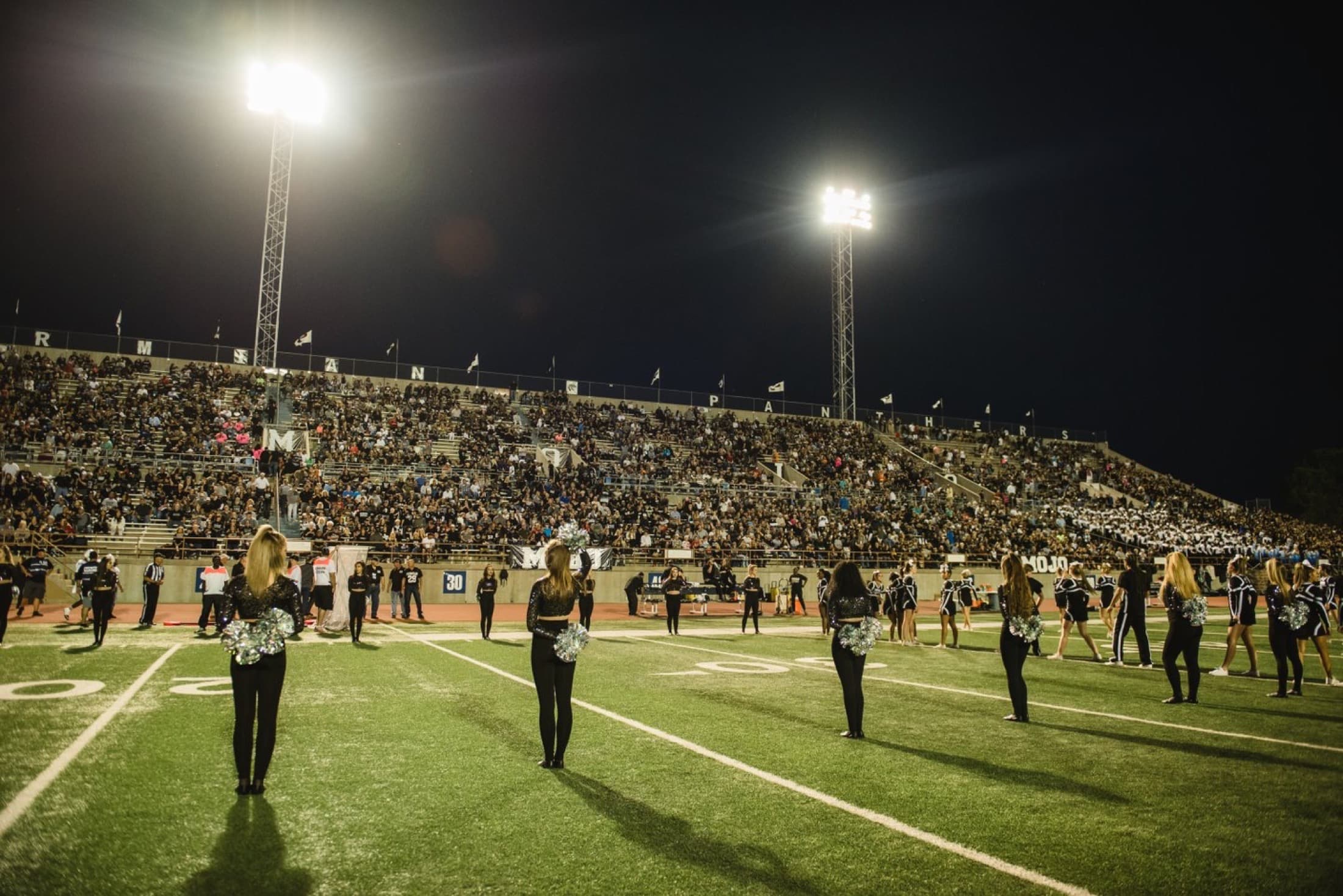
The teenagers of the postwar baby boom were the first generation with a stable adolescence and the first targeted as a distinct consumer demographic. Early entertainment avoided school as boring, but by the 1980s boomer filmmakers made high school the definitive American coming-of-age setting, sometimes for laughs (Fast Times at Ridgemont High), sometimes more deeply (the films of John Hughes), and on TV from Saved by the Bell to Degrassi. The density of those stories bred a fixed roster of heroes, villains and conflicts, later embraced post-ironically by High School Musical and Glee. That roster is the deck below.
The school's own invention
The Football Jock
The muscle-bound jock reads like an outside force invading the school, but high school football grew straight out of the institution itself. American football is a modified British rugby that late-19th-century colleges invented to settle, in gentlemanly contests, whose school was better, a question that consumed the narrow elite who then attended university. Early high schools consciously modeled themselves on those colleges and copied the tradition, so they built teams to play their rivals almost immediately. The oldest high school football rivalry, New London against Norwich Free Academy in Connecticut, dates to 1875, the same year Harvard first played Yale. Today nearly 70% of American high schools field a team, and over a million teenagers play in any given year.
The Ask America Oracle
Ask the AI Oracle about the rise of Hasbro, why Play-Doh started as wallpaper cleaner, the history of the yellow pencil, or how American high school became the world's favorite movie setting.