FASHION &STREETWEAR
American fashion did not begin in elite design salons; it started as rugged workwear and athletic gear, evolving into a democratic statement of rebellion.
“American fashion did not begin in elite design salons; it started as rugged workwear and athletic gear, evolving into a democratic statement of rebellion.”
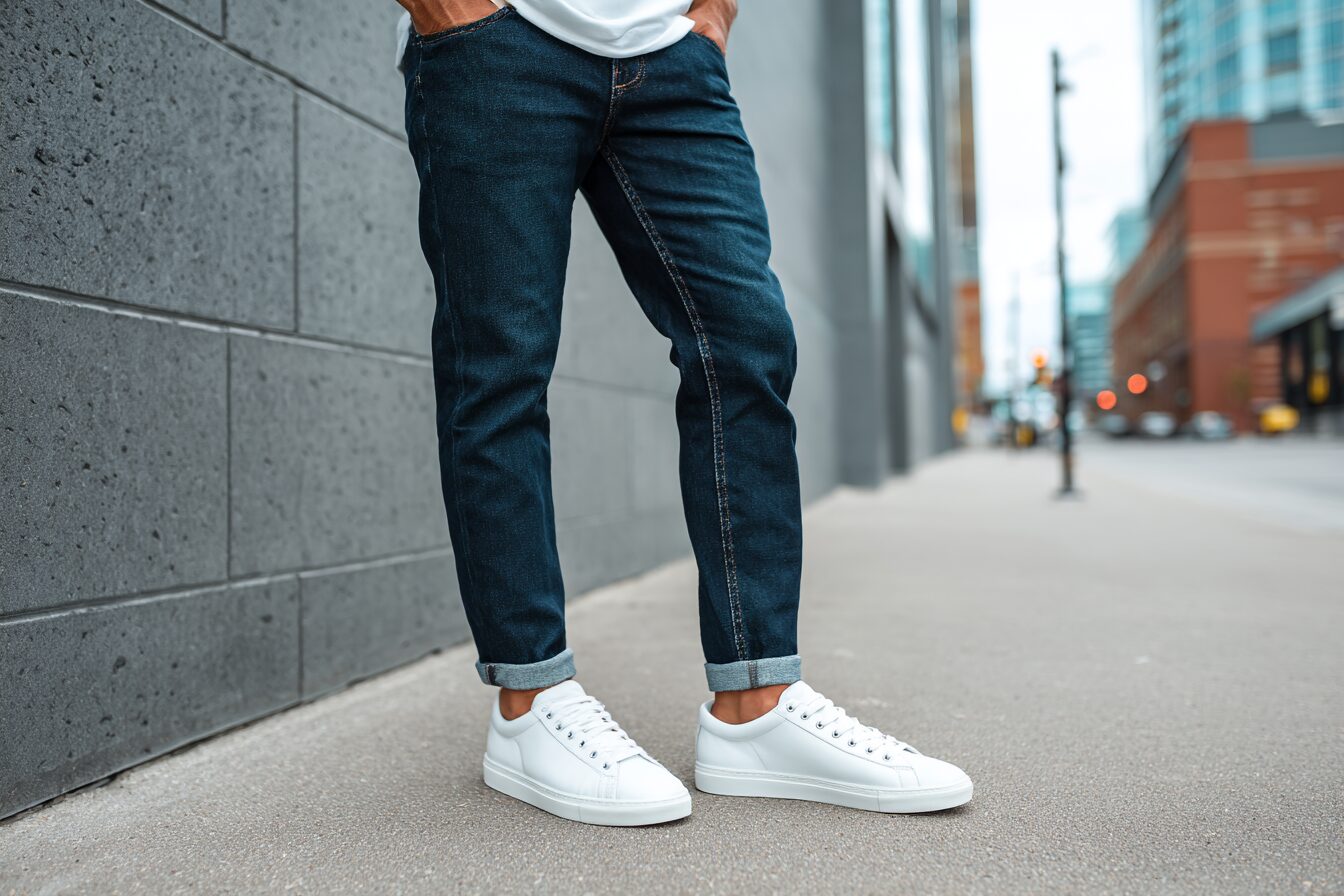
Blue jeans, originally patented by Levi Strauss in the 19th century as durable trousers for miners and laborers, evolved into the universal uniform of modernity. Adopted by youth in the 1950s as a symbol of rebellion and casual comfort, denim erased social class distinctions and became the most exported garment style on Earth.
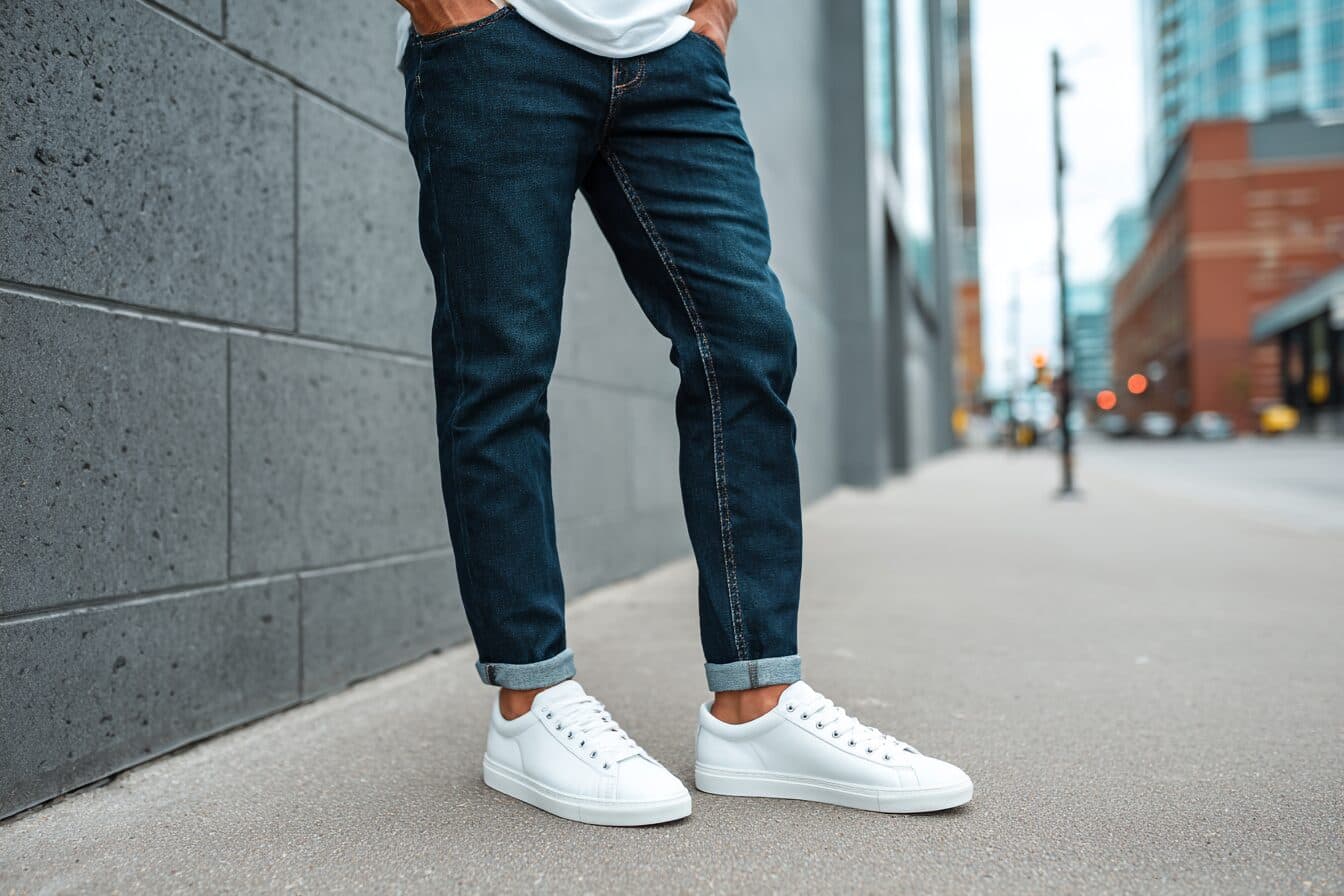
Athletic sneakers evolved from the sports field to urban culture and luxury high fashion. Brands like Nike and Converse drove this shift, transforming athletic functionality into a language of personal identity and everyday aspirations.
FASHION PILLARS
AMERICAN STYLE
The Universal Uniform of Modernity
Denim
From miners to Hollywood rebels, blue jeans redefined democratic dressing. Today they are worn by over 4 billion people daily worldwide.
From Court to Catwalk
Sneaker Culture
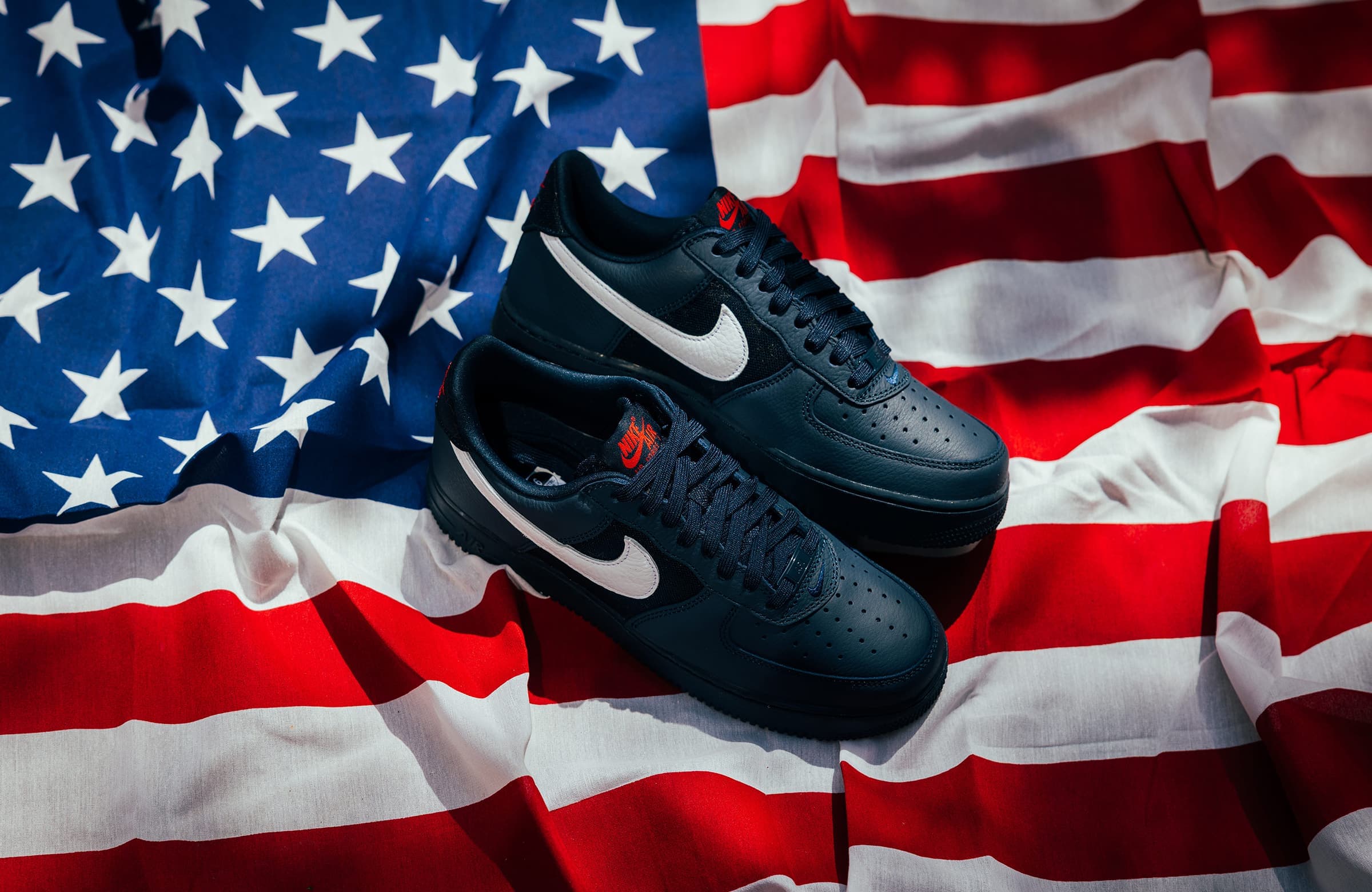
Air Jordan, Chuck Taylor All-Star, and Adidas Superstar, American athletic shoes redefined urban luxury and the cultural identity of entire generations.
Globalized Street Rebellion
Streetwear
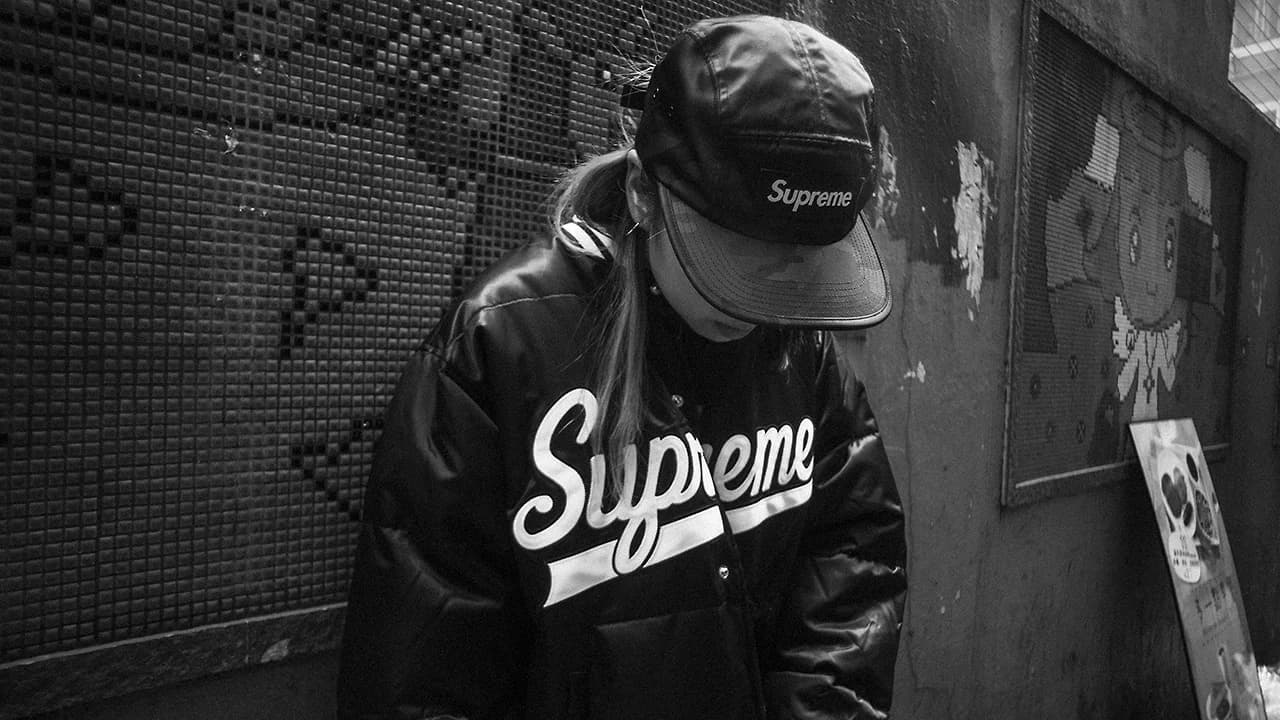
Supreme, Off-White, and BAPE transformed street culture into a billion-dollar global industry. Streetwear democratized luxury fashion and demolished the social barriers of traditional couture.
From Ranch to Runway
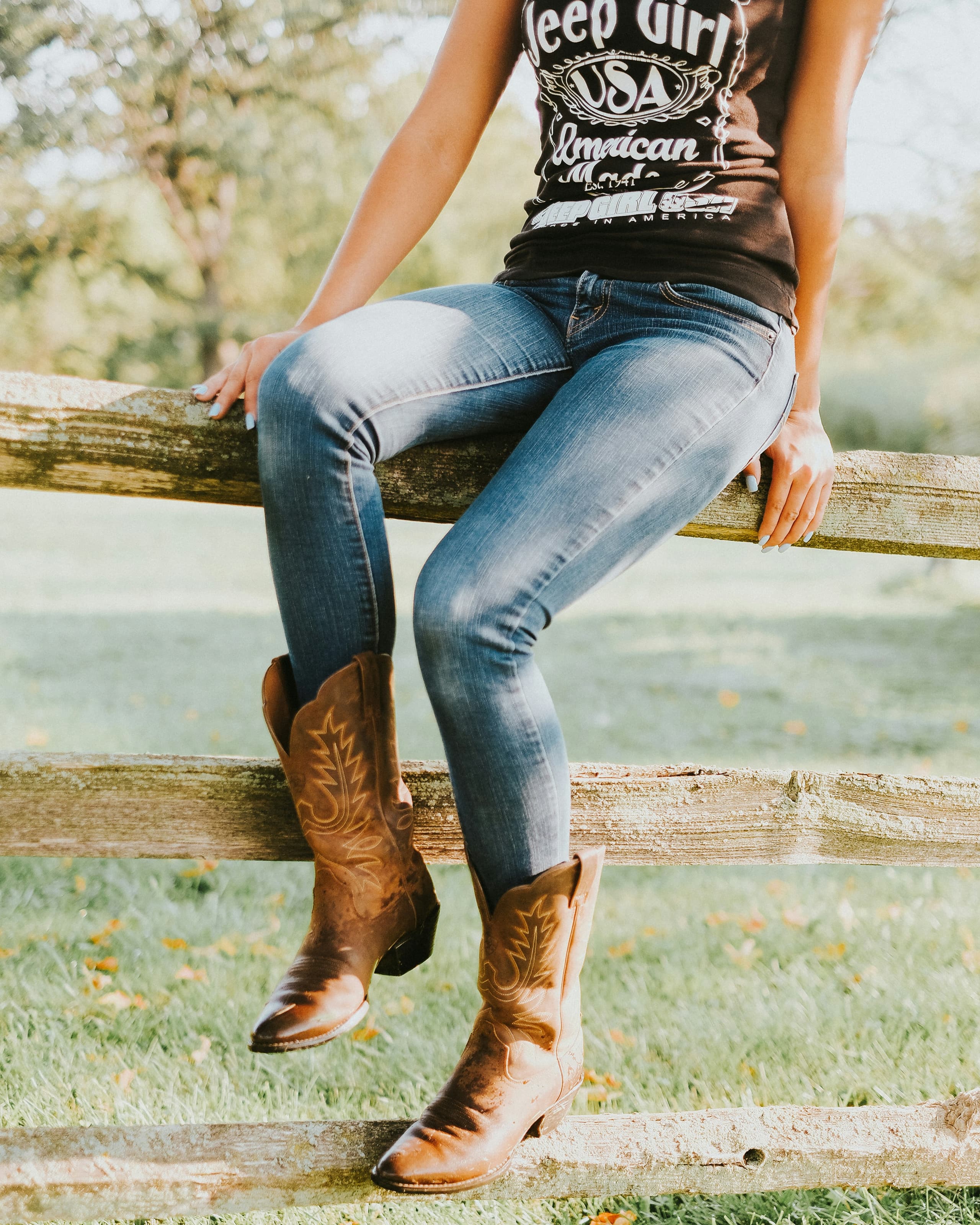
Western Wear
Cowboy boots, Stetson hats, high-rise Wranglers, Texas ranch workwear conquered the fashion runways at Coachella, Milan, and Tokyo.
Ralph Lauren & The Aspirational Aesthetic
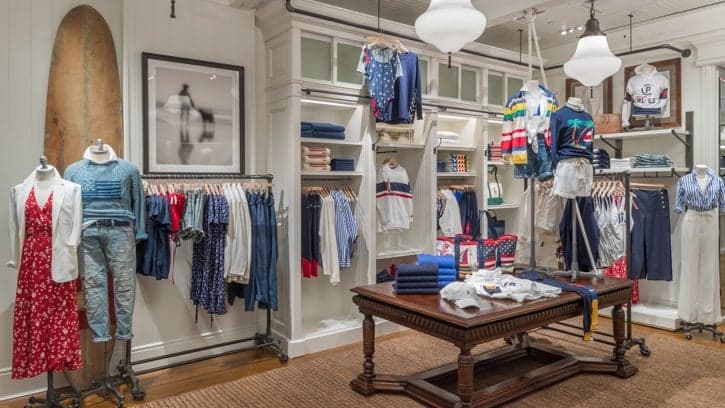
Preppy & Ivy League
Ralph Lauren transformed the Ivy League aesthetic, polo shirts, navy blazers, chino trousers, into America's most exported casual luxury style. A vision of aspirational America, sold worldwide.
Gym Clothes as Everyday Fashion
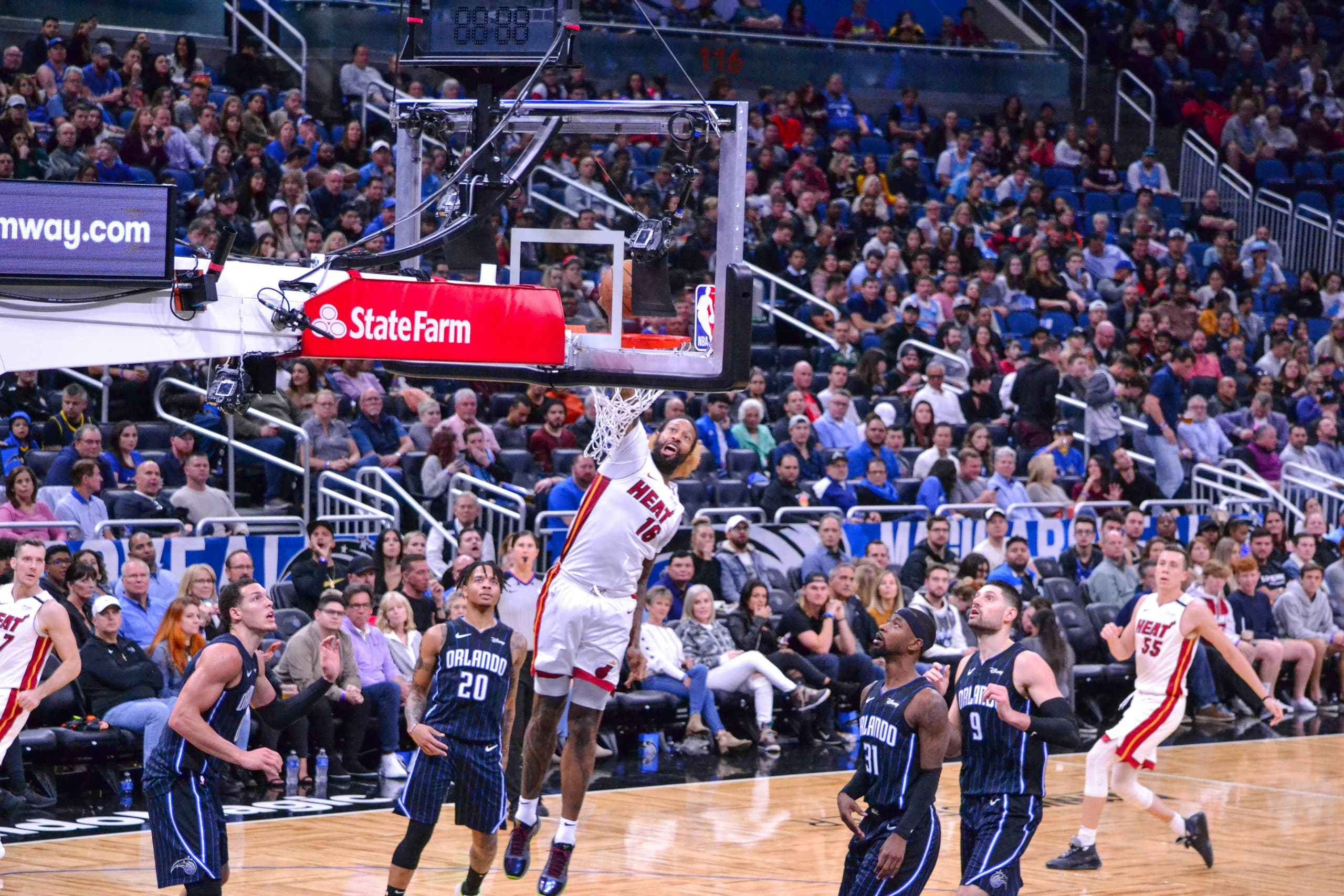
Athleisure
Lululemon (1998), Under Armour (1996), Nike Dri-FIT, America invented the concept of gym-wear as everyday fashion. The global athleisure market tops $600B and keeps growing. Post-2010, yoga leggings, gym hoodies, and performance sneakers replaced formal wear in offices and restaurants worldwide.
DESIGN & VISUAL INHERITANCE
8 DISTINCTLY AMERICAN AESTHETICS
From the rustic outdoors cabin and circus tent to Wild West saloons, the 1950s diner, industrial lofts, and suburban malls: the 8 mainstream visual styles of American life.
The Cabin / Outdoors Aesthetic
“Dark unpainted timber, oil lamps, snowshoes, and cozy forest shelters”
KEY VISUAL ELEMENTS
WORTH KNOWING
This aesthetic is so universally associated with American wilderness culture that souvenir stores as far away as England explicitly style themselves in 'American outdoors Wes Anderson' decor.
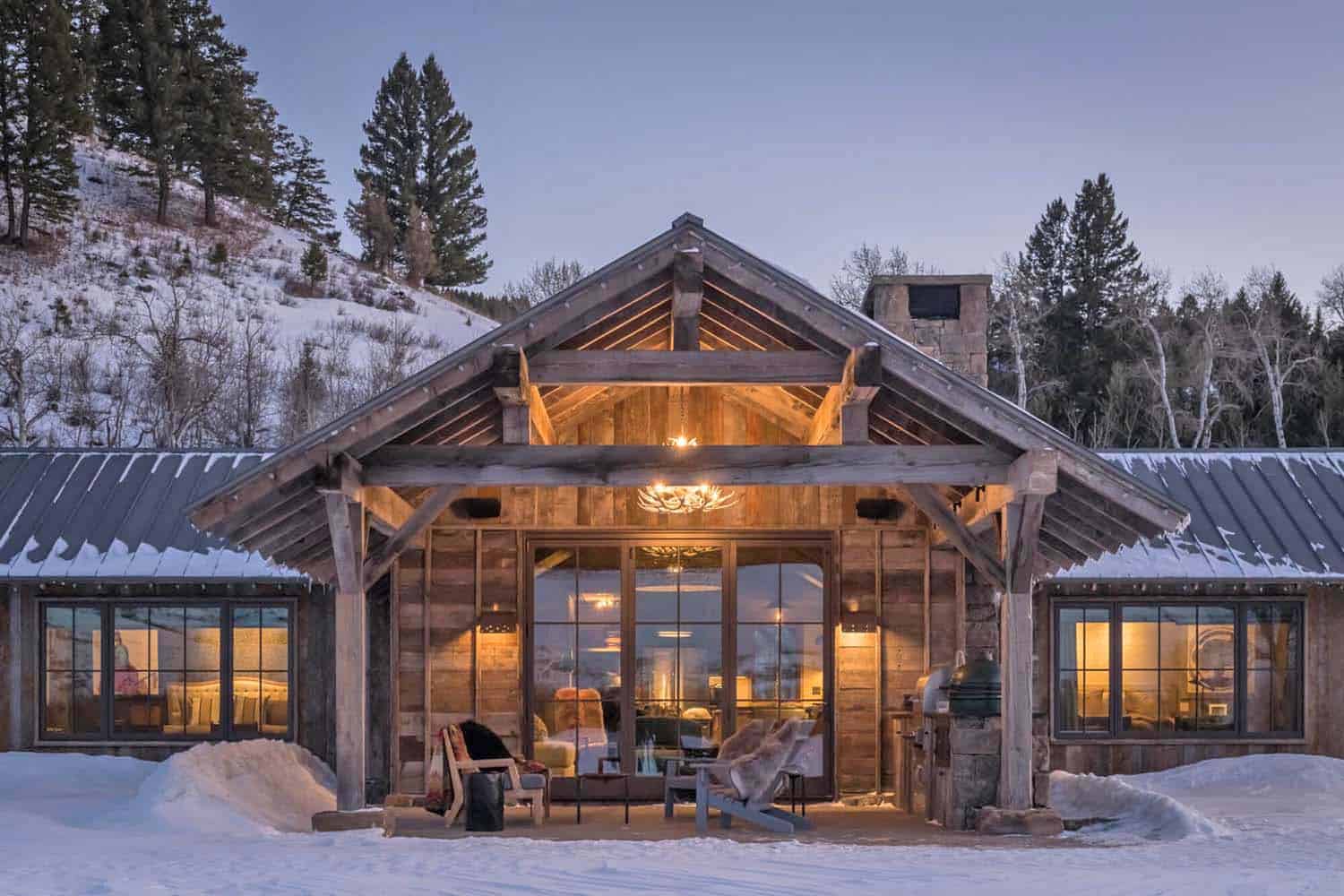
Grounded in sentimentality for the vast forests and mountains of North America, this look evokes primitive yet comfortable wilderness living. Popularized in films like Wes Anderson's Moonrise Kingdom, it relies on unpainted dark wood, National Park Service signs, and vintage camping props to turn Airbnbs, outdoor shops, and souvenir boutiques into cozy rustic retreats.
FROM RANCH TO RUNWAY
THE VINTAGE AD ARCHIVE
CLASSIC ADS
AMERICAN DESIGN HOUSES
AMERICAN DESIGNERS
Ralph Lauren
Polo Ralph Lauren, 1967
Ralph Lauren transformed the Ivy League aesthetic and the American dream into a global export product. Polo, Rugby, Purple Label, an $8 billion empire built on WASP nostalgia and cowboy romanticism.
Calvin Klein
1968–present
American minimalism as luxury. Klein redefined underwear, fragrance, and denim through provocative campaigns that put the US on the haute couture map.
Donna Karan
DKNY, 1989
Seven easy pieces for the modern woman, Donna Karan invented the power wardrobe and created DKNY as the first globally aspirational New York City brand.
Marc Jacobs
1984–present
The creative director who put Louis Vuitton on the streetwear map. His grunge collection (1992) permanently changed what democratic luxury means worldwide.
Tom Ford
Gucci 1994, own house 2005
Ford saved Gucci from bankruptcy by reinventing sexuality as a branding tool. His own house is now synonymous with modern American luxury.
Michael Kors
1981–present
Kors democratized casual luxury for suburban America, accessible handbags, premium watches, a brand that redefined what 'attainable aspirational' means on the global market.
Vera Wang
1990–present
Vera Wang reinvented the wedding dress as luxury art and democratized couture through her Target line (Simply Vera). The first Asian-American designer to dominate global fashion weeks.
Oscar de la Renta
1965–2014
The preferred couturier of American First Ladies, from Jacqueline Kennedy to Hillary Clinton. De la Renta blended Latin elegance with New York refinement, becoming the undisputed tailor of American power.
SUBCULTURAL MOVEMENTS
STYLE REVOLUTIONS
1970s–1980s · CBGB, New York
Punk & New Wave
The Ramones, Blondie, Patti Smith, out of NYC's CBGB came a complete visual style: leather jackets, ripped jeans, spiked collars, anarchic hair dye. American punk exported aesthetic rebellion to five continents.
1980s–present · South Bronx
Hip-Hop Fashion
Adidas Superstar without laces, Kangol, Cazal, gold chains, Timberland, FUBU, Sean John, hip-hop created a complete dress code. Today, Supreme, Off-White, and Balenciaga build collections directly on the aesthetic code originating from the South Bronx.
1990s · Seattle, Washington
Grunge
Nirvana, Pearl Jam, Soundgarden, flannel shirts, ripped jeans, Doc Marten boots, and unwashed hair conquered Generation X. Marc Jacobs brought grunge to Perry Ellis runways (1992), permanently legitimizing streetwear as high fashion.
1980s · California & New England
Valley Girl / Preppy
The L.A. Valley Girl (Clueless, 1995) + New England Ivy League tradition, polo shirts, pink cardigans, plaid skirts, monogram bags. The 'preppy' aesthetic was repositioned by Ralph Lauren and reproduced by global millennials on TikTok 40 years later.
1999–2006 · Hollywood
Y2K & Early 2000s
Low-rise jeans, tube tops, micro sunglasses, oversized logos, denim on denim, the Y2K aesthetic made a triumphant return in Gen Z fashion. Paris Hilton, Britney Spears, and Jennifer Lopez defined an entire decade of global style.
2010s–present · Internet
Normcore & Gorpcore
New Balance 990, Patagonia fleece, plain jeans, no-logo baseball cap, Normcore (2014) transformed 'ordinary' into aesthetic manifesto. Gorpcore extended the idea with camping gear as urban fashion statement, both trends originating in the US.
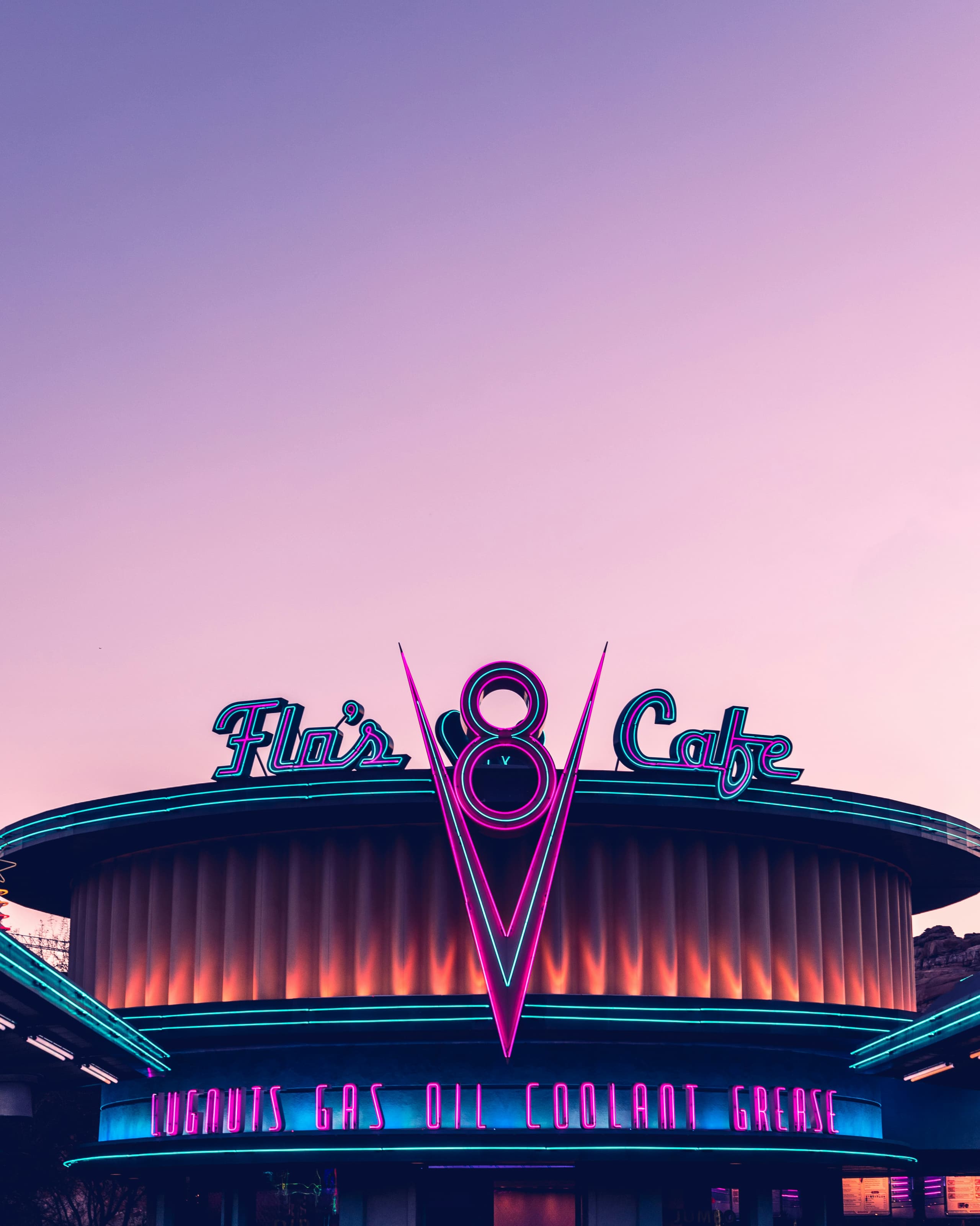
THE NEON AESTHETIC
“The roadside neon glow of classic diners and gas stations inspired a vibrant color system used in streetwear lines and fashion subcultures worldwide.”
The Ask America Oracle
Ask the AI Oracle about the history of Levi's jeans, Nike's Air Jordan cultural impact, or how streetwear became a global billion-dollar market.